






 Business
The Economy
Philippine domestic trade plunges 22% in Q2 amid weaker spending
Business
The Economy
Philippine domestic trade plunges 22% in Q2 amid weaker spending
Philippine domestic trade plunges 22% in Q2 amid weaker spending


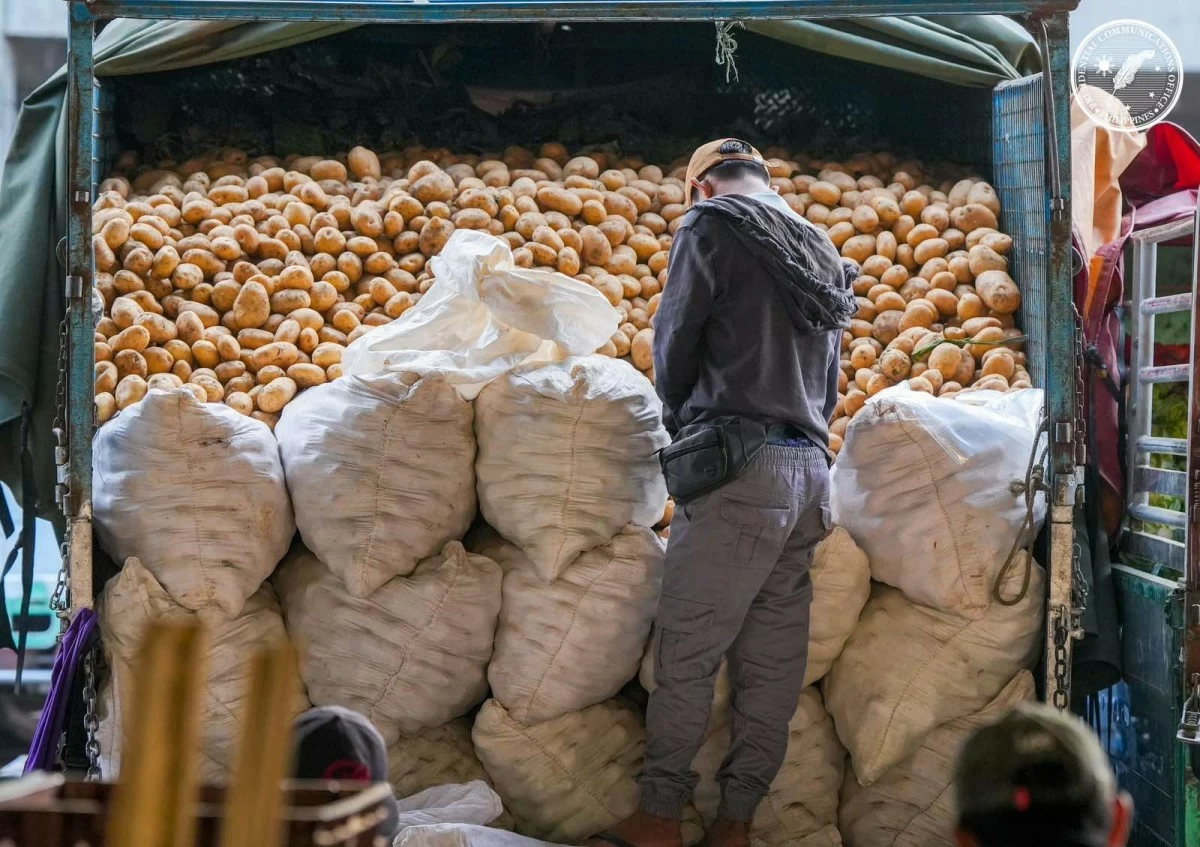
The value of trade in goods within the Philippines plummeted by 22 percent to more than ₱745 billion in the second quarter, driven by slower economic growth and weaker consumer spending.
The latest preliminary Philippine Statistics Authority (PSA) data on Monday, Aug. 24, showed that total domestic trade from April to June declined by roughly ₱209 billion to ₱745.7 billion from ₱955.18 billion in the same period last year.
Domestic trade refers to the exchange of commodities transported from one region to another, according to the PSA.
The PSA said about 73 percent of goods traded within the country were transported by road, amounting to ₱542.73 billion. This was an increase of 9.8 percent from ₱494.44 billion a year ago.
Meanwhile, trade through water plunged by more than half to ₱202.42 billion from ₱460.06 billion in the second quarter of 2025.
Likewise, commodities transported by air registered a 17-percent drop to ₱557.67 million from ₱670.87 million a year ago.
In terms of trade volume, domestic trade in the second quarter amounted to 10.57 million tons, down by 38 percent from 17.02 million tons in the same period last year.
“Most commodities were traded by road (64.3 percent) followed by water (35.7 percent), and air (0.1 percent) in the second quarter of 2026,” the PSA said.
Rizal Commercial Banking Corp. (RCBC) chief economist Michael Ricafort said the decline in domestic trade in the second quarter was primarily driven by the war in the Middle East and its ripple effects on the economy.
Ricafort said the conflict’s impact on fuel prices directly led to higher prices of consumer goods, resulting in an acceleration in inflation that partly slowed investments and expansion projects in the country, easing economic growth in the process.
“Slower global and local economic growth amid reduced disposable incomes and spending power slowed down consumption and other spending by consumers or households, businesses or industries, and other institutions,” Ricafort said in a Viber message.
For the second half of the year, Ricafort said growth in domestic trade may hinge on increased public spending on infrastructure projects to “help pump-prime the economy and also help increase domestic trade growth.”
PSA data also showed that Calabarzon registered the highest outflow value of traded commodities in the second quarter at ₱331.63 billion.
National Capital Region (NCR), on the other hand, posted the highest inflow value of domestic trade at ₱361.56 billion.
In terms of the balance of trade, or the difference between the outflow and inflow values, Calabarzon had the most favorable balance at ₱249.50 billion.
Meanwhile, NCR recorded the most unfavorable domestic trade balance at -₱245.67 billion. - with a report from Danielle T. Bayani