







Mark Villar seeks swift passage of travel tax abolition bill
By Dhel Nazario
Published Aug 25, 2026 06:06 pm


At A Glance
- Senator Mark Villar is pushing for the swift passage of SB 1870, the proposed Travel Tax Abolition Act, which would eliminate the travel tax imposed on Filipinos leaving the country.
- He said the travel tax is an outdated burden, noting that a family of four traveling economy class currently pays ₱6,480 in travel tax, money that could instead be used for food, transportation, accommodation, medicine or other expenses.
- Villar said government programs funded by the travel tax should instead be supported through the national budget, with SB 1870 providing safeguards to ensure continued funding for tourism, education and cultural programs.
Senator Mark Villar is pushing for the immediate approval of Senate Bill (SB) No. 1870, the proposed “Travel Tax Abolition Act,” which would eliminate the travel tax charged to Filipinos traveling abroad.
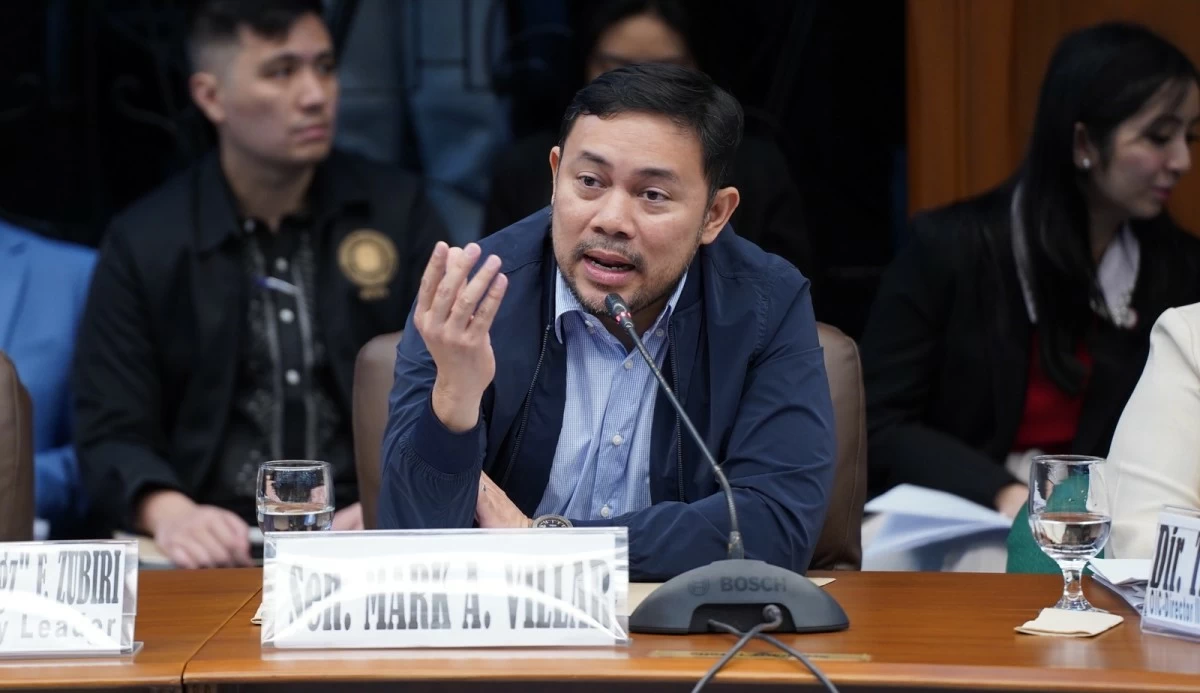
Senator Mark Villar
Villar said the decades-old fee has become an unnecessary financial burden, particularly for Filipinos traveling overseas for work, education, medical treatment, business, or family reasons.
“Hindi dapat maging dagdag na pasanin ang pag-alis ng bansa, lalo na para sa mga Pilipinong bumibiyahe upang magtrabaho, mag-aral, magpagamot, magnegosyo, o makasama ang kanilang pamilya. Panahon nang alisin ang travel tax at ibalik sa ating mga kababayan ang perang maaari nilang magamit sa mas mahalagang pangangailangan (Leaving the country should not be an additional burden, especially for Filipinos traveling to work, study, seek medical treatment, do business, or be with their families. It is time to abolish the travel tax and return to our fellow Filipinos the money they could use for more important needs),” Villar said.
The travel tax was introduced in 1977 through Presidential Decree (PD) No. 1183, when overseas travel was largely considered a privilege. Villar says the policy is now outdated, noting that Filipino passengers currently pay ₱1,620 for economy-class travel and ₱2,700 for first-class passage.
For a family of four traveling in economy class, the tax adds ₱6,480 to the total before departure.
“Malaking bagay na sa isang pamilya ang ₱6,480. Maaari itong ilaan sa pagkain, pamasahe, tirahan, gamot, o iba pang gastusin sa biyahe. Sa gitna ng patuloy na pagtaas ng presyo ng mga bilihin, nararapat lamang na alisin natin ang mga singil na hindi na angkop sa kasalukuyang panahon (The amount of ₱6,480 is significant for a family. It could be spent on food, transportation, accommodation, medicine, or other travel expenses. Amid the continued rise in the prices of goods, it is only right that we remove charges that are no longer appropriate for the present time),” Villar added.
Under SB No.1870, both government agencies and private entities would be barred from collecting the travel tax once the measure becomes effective. Travelers who have already paid the tax for flights scheduled on or after the law's effectivity would also be eligible for an immediate refund.
Villar says the measure is also aligned with the goals of the ASEAN Tourism Agreement, which promotes easier travel and stronger connectivity among member states.
He says the bill includes safeguards to ensure that programs currently funded through travel tax collections will continue to receive funding through the annual General Appropriations Act (GAA).
Currently, half of travel tax collections go to the Tourism Infrastructure and Enterprise Zone Authority (TIEZA) for tourism development, 40 percent to the Commission on Higher Education (CHEd) for tourism-related educational programs, and 10 percent to the National Commission for Culture and the Arts (NCCA).
“Patuloy nating susuportahan ang turismo, edukasyon, at kultura, ngunit hindi kailangang manggaling ang pondo sa dagdag na singil sa mga Pilipinong bumibiyahe. Ang mga ito ay pambansang programa na dapat pondohan sa ilalim ng pambansang badyet (We will continue to support tourism, education, and culture, but the funding does not have to come from additional charges imposed on Filipinos who travel. These are national programs that should be funded through the national budget),” Villar stressed.