







House stronger workplace safety bill gets 2nd reading passage
Published Aug 25, 2026 05:19 pm


At A Glance
- The House approves on second reading HB No. 10559, which strengthens occupational safety standards by integrating climate-adaptive measures and penalizing gross violations.
- Bill sponsor Rep. Jolo Revilla stresses that workers should never have to choose between livelihood and safety, citing extreme heat, storms, and other climate-related hazards as emerging occupational risks.
- The measure mandates hazard identification, adjusted work schedules, preventive protocols, and accountability for willful negligence, ensuring every worker's right to safe return home after work.
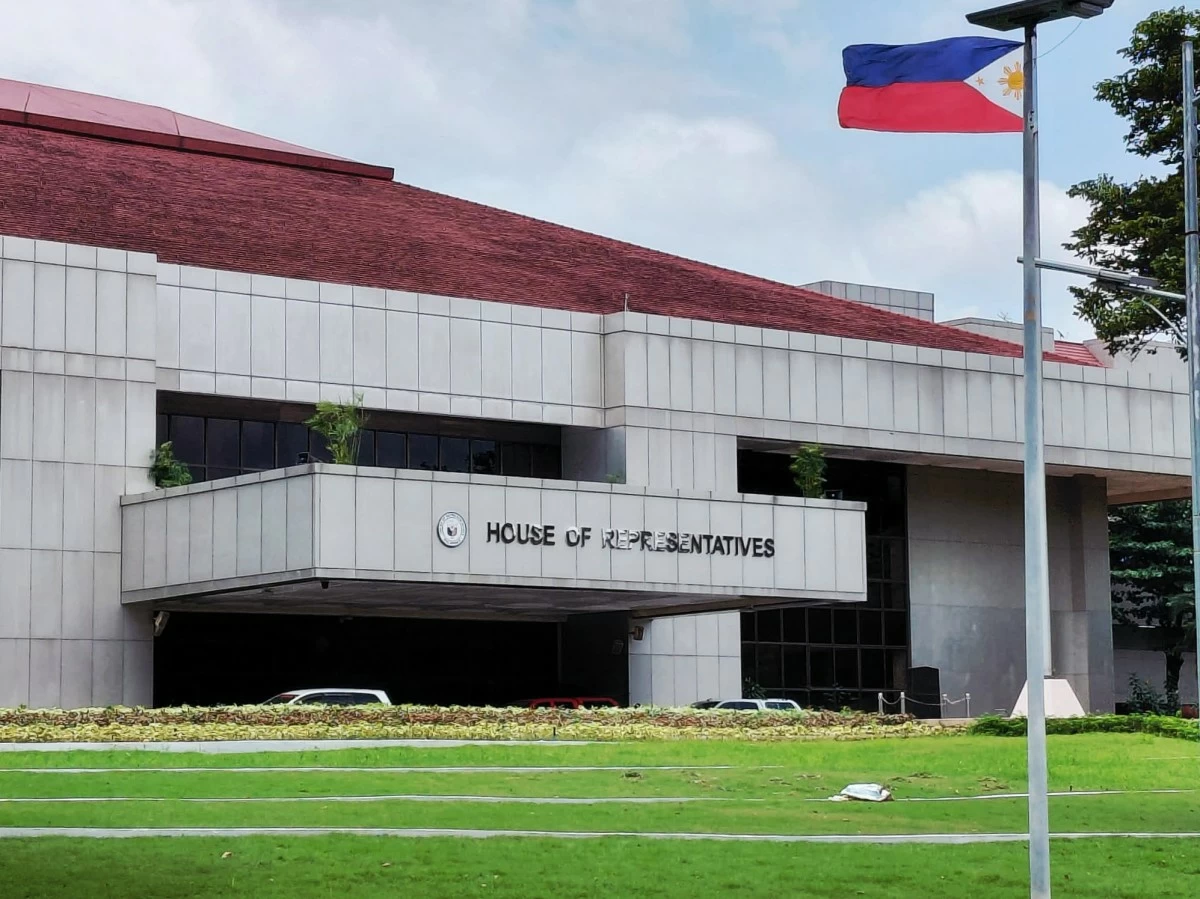
The House of Representatives (Ellson Quismorio/ MANILA BULLETIN)
A House bill seeking to strengthen protections for Filipino workers against emerging workplace hazards, including climate-related risks, has been approved on second reading.
Gaining penultimate passage during plenary session Tuesday, Aug. 25 was House Bill (HB) No. 10559, which also aims to impose tougher accountability for willful or grossly negligent violations of occupational safety standards.
The bill--approved via voice vote (ayes vs. nayes)--carried the title, "An Act strengthening occupational safety and health standards by integrating climate-adaptive measures and penalizing gross violations thereof, amending for the purpose Republic Act No. 11058, otherwise known as the Occupational Safety and Health Standards Law, and Article 169 of Presidential Decree No. 442, otherwise Known as the Labor Code of the Philippines, as amended."
Cavite 1st district Rep. Jolo Revilla, chairman of the House Committee on Labor and Employment sponsored HB No. 10559 under Committee Report No. 552 before the plenary.
In an impassioned appeal for the immediate passage of this measure strengthening the country’s Occupational Safety and Health (OSH) framework to respond to emerging workplace dangers and hold accountable those who deliberately disregard workers’ safety, Revilla declared that earning a living should never require workers to put their health or lives unnecessarily at risk.
“Hindi dapat maging kapalit ng kabuhayan ang kalusugan. Hindi dapat maging kapalit ng trabaho ang buhay. At hindi dapat kailanman mangyari na ang isang manggagawa ay kailangang mamili sa pagitan ng pagkita para sa kanyang pamilya at pagprotekta sa kanyang sarili,” he said.
(Health should never be exchanged for livelihood. Work should never be exchanged for life. And it should never happen that a worker has to choose between earning for his family and protecting himself.)
Revilla said the traditional concept of workplace safety must evolve because the dangers confronting Filipino workers are also changing.
He cited extreme heat, increasingly unpredictable weather and other climate-related hazards that have become everyday occupational risks, particularly for workers whose jobs require prolonged exposure to outdoor conditions.
For construction workers exposed to intense heat and employees who must report for work amid heavy rains and severe weather, climate change is no longer an abstract issue but a danger they confront in earning their livelihood, he stressed.
Revilla said existing laws already recognize the responsibility of employers to provide safe and healthy workplaces, but stressed that occupational safety policies must keep pace with new and emerging risks.
“Kung nagbabago ang panganib, dapat nagbabago rin ang ating paraan ng pangangalaga at pagprotekta,” said the Cavite legislator.
(If risks change, then our way of care and protection should also change.)
“Hindi sapat na sabihin nating may OSH program ang isang kumpanya. Ang tanong ay—handa ba itong harapin ang mga panganib na kinakaharap ng ating mga manggagawa ngayon? Handa ba ito sa matinding init o bagyo? Handa ba itong protektahan ang manggagawa bago pa mangyari ang aksidente?” Revilla added.
(It is not enough to say that a company has an OSH program. The question is—are they ready to face the risks our workers face today? Are they ready for extreme heat or storms? Are they ready to protect the worker before an accident even happens?)
The mandates the incorporation of climate-adaptive occupational safety and health (OSH) measures, including: 1) identification and assessment of climate-related hazards, 2) adjustment of work schedules or arrangements to reduce risks, 3) implementation of preventive and preparedness measures for heat stress and extreme weather, 4) documentation and monitoring of climate-related incidents, and 5) appropriate arrangements for workers who are vulnerable to climate-related hazards.
It includes creating new methods and approaches for addressing occupational safety and health issues, which covers identifying hidden diseases and new hazards linked to changing work and climate conditions.
It helps shape evidence-based OSH policies, as well as develop adaptive medical and occupational standards to ensure employees do not suffer adverse effects on their health, work capacity, or life expectancy as a result of their job duties or working conditions.
Ordinary accidents vs workplace tragedies
The solon also used his sponsorship speech to draw a clear line between ordinary accidents and workplace tragedies caused by employers knowingly ignoring serious safety risks.
He said there are cases where hazards are already known, violations have already been identified, and deficiencies in training or protective equipment are apparent, yet these dangers are still deliberately disregarded.
Revilla clarified, however, that the proposed law wasn't intended to criminalize ordinary mistakes but to impose accountability for willful or grossly negligent violations that put workers in danger.
Revilla also appealed to lawmakers to look beyond compliance requirements and consider the families who depend on workers for their survival.
“Ang bawat manggagawa ay may karapatang umuwi nang ligtas sa kanyang pamilya. Pagpasok niya sa trabaho sa umaga, dapat alam niyang may uuwian siyang tahanan sa gabi,” he said.
(Every worker has the right to go home safely to his family. When he goes to work in the morning, he should know that he has a home to return to in the evening.)