

ADVERTISEMENT

'Filipiñana' proves Filipino cinema isn't dead

How Rafael Manuel's feature-film debut shows the upward trajectory of local films

Published Aug 25, 2026 12:44 pm
After clips from Rafael Manuel's debut film went viral on X, many were quick to claim the Philippines just found its own Wes Anderson. While the synchronized style and unique framing do give off similar vibes, Rafael’s latest film is so much more than a Wes Anderson tribute of sorts. It’s a testament to how Filipino cinema is likely the next big thing foreign viewers start yearning for.
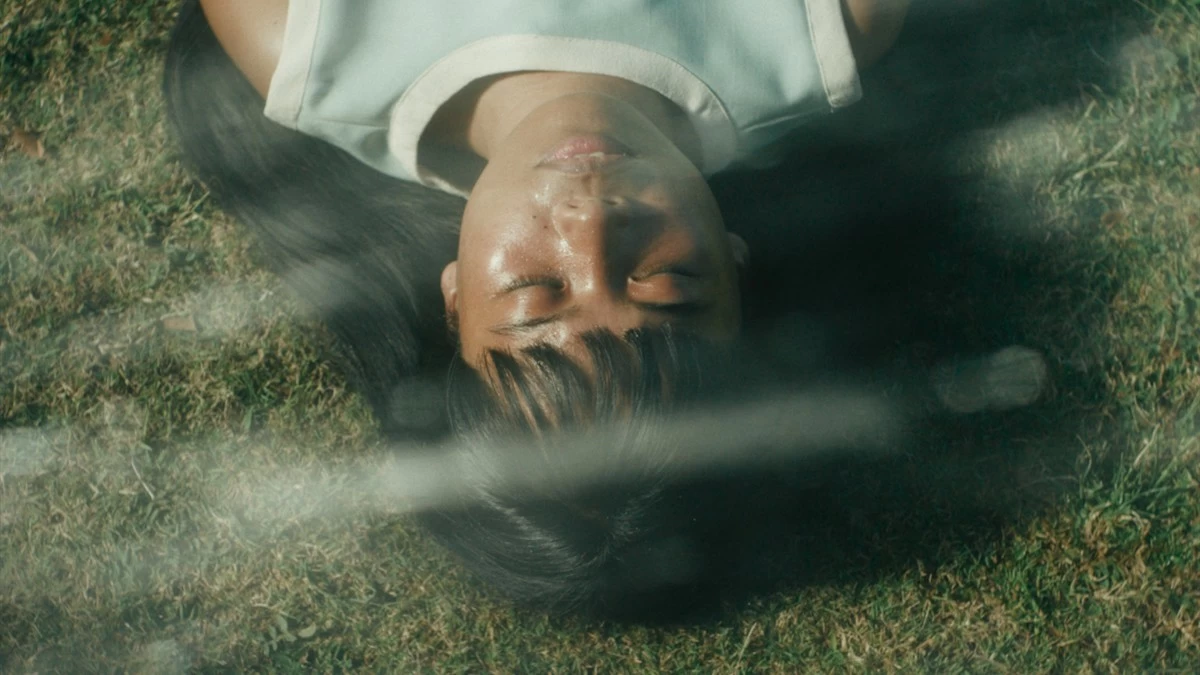
Jorrybell Agoto appears in
Jorrybell Agoto appears in "Filipiñana" by Rafael Manuel, an official selection of the 2026 Sundance Film Festival. (Photos: Sundance Institute)
Already, “Filipiñana” has gained recognition in the US after nabbing the Special Jury Award for Creative Vision at the Sundance Film Festival and landing Rafael the New Directors Award at the San Francisco International Film Festival. Europeans were also able to share their views on the film after its run at the recent Berlinale.
Now, “Filipiñana” faces its homecourt, with select cinemas screening it nationwide starting today. Perfect timing, given the recent discourse surrounding Filipino films and their quality.
Starting with its strengths, almost every shot is aesthetically pleasing to look at. Not a single frame feels dull due to the careful thought put into shooting each scene. A truly remarkable job done by cinematographer Xenia Patricia.
There’s also a satisfying feeling from watching the synchronized movements of the actors in some settings, like when a row of golfers line up their shots or in the opening montage where we are shown the club’s daily operations.
During an advanced screening talkback session, it was revealed how the crew shot in eight different golf courses to craft the setting. Yet, it all feels as if it’s set in one place. It also evokes a certain nostalgic effect due to the yesteryear vibe of the brutalist architecture featured throughout.
In the film, we follow two leads, Isabel (Jorrybell Agoto) and Clara (Carmen Castellanos). Isabel shows us the perspective of the working class whose gruntwork keeps the golf course running, while Clara gives us the perspective of the upper class, being one of the club members’ nieces visiting the country for a round of golf before heading off to college in the US.
These two largely different paths show us the interesting socioeconomics that play out within Filipino golf course and country club settings. “So many people have to keep (golf courses) maintained and beautiful, but ultimately, only a few people get to enjoy it,” shares Rafael upon reflecting on his film. “It’s a really good representation of our country.” Some minor background characters also give us humorous or curious moments that seem minuscule at first, but lead to quite the pay-off later on.
Beautiful as it is to see the spectacle that plays throughout, viewers will likely have strong opinions about the film’s slow pace. Some might feel scenes overstay their welcome. This slowness, however, does feel somewhat meditative. Catching glimpses of the two characters’ lives makes us wonder a lot about their stories, and we become invested in their little journey within the golf course. A lot of mystique also revolves around the seemingly elusive golf course owner, Dr. Palanca (Teroy Guzman).
“Filipiñana,” however, is not the type of film that holds your hand and gives an easy-to-digest pay-off by the end. Chances are you’ll find yourself appreciating the immersive experience or looking at the clock now and then as you wait for things to get a move on. There is no in-between.
A lot of buzz has also come around regarding the film’s potential to be a future submission to the Oscars. While highly possible, the production team remains humble about this endeavor, simply proud of the already successful run it had at the Sundance Film Festival and the Berlinale.
After all, a submission to The Academy takes up a lot of resources since it requires passing it around to voting members and ensuring it gets good distribution worldwide. Fortunately, from the team’s response, they’re highly thankful for the international distributors they have helping spread the word in Europe and the US.
What's wonderful about a film like “Filipiñana” being made is that it gives local independent cinema a fighting chance. A slow-burner film being made here shows that we are willing to take risks on producing quality films that focus more on artistic integrity rather than just box office numbers.
If local filmmakers like Rafael continue to receive support from local producers, distributors, and the government, we can continue to create films that may very well surpass international arthouse icons like Wes Anderson, Jean-Luc Godard, Andrei Tarkovsky, and so on.
We already know, based on reactions from international audiences from film festivals held abroad, that there is a global yearning to see more Filipino movies. It’s high time to push forward our support for local cinema so that it can continue to thrive and bring in more curious viewers from all over.
“Filipiñana” is now showing at SM Cinemas in SM Megamall, SM North EDSA, SM Mall of Asia, SM Aura, SM Fairview, and SM Seaside.

Related Tags

Arts and Culture Movies Filipiñana
ADVERTISEMENT
.most-popular .layout-ratio{ padding-bottom: 79.13%; } @media (min-width: 768px) and (max-width: 1024px) { .widget-title { font-size: 15px !important; } }

{{ articles_filter_1561_widget.title }}

.most-popular .layout-ratio{ padding-bottom: 79.13%; } @media (min-width: 768px) and (max-width: 1024px) { .widget-title { font-size: 15px !important; } }

{{ static_articles_1562_widget.title }}

.most-popular .layout-ratio{ padding-bottom: 79.13%; } @media (min-width: 768px) and (max-width: 1024px) { .widget-title { font-size: 15px !important; } }

{{ articles_filter_1563_widget.title }}

{{ articles_filter_1564_widget.title }}

.mb-article-details { position: relative; } .mb-article-details .article-body-preview, .mb-article-details .article-body-summary{ font-size: 17px; line-height: 30px; font-family: "Libre Caslon Text", serif; color: #000; } .mb-article-details .article-body-preview iframe , .mb-article-details .article-body-summary iframe{ width: 100%; margin: auto; } .read-more-background { background: linear-gradient(180deg, color(display-p3 1.000 1.000 1.000 / 0) 13.75%, color(display-p3 1.000 1.000 1.000 / 0.8) 30.79%, color(display-p3 1.000 1.000 1.000) 72.5%); position: absolute; height: 200px; width: 100%; bottom: 0; display: flex; justify-content: center; align-items: center; padding: 0; } .read-more-background a{ color: #000; } .read-more-btn { padding: 17px 45px; font-family: Inter; font-weight: 700; font-size: 18px; line-height: 16px; text-align: center; vertical-align: middle; border: 1px solid black; background-color: white; } .hidden { display: none; }
function initializeAllSwipers() { // Get all hidden inputs with cms_article_id document.querySelectorAll('[id^="cms_article_id_"]').forEach(function (input) { const cmsArticleId = input.value; const articleSelector = '#article-' + cmsArticleId + ' .body_images'; const swiperElement = document.querySelector(articleSelector); if (swiperElement && !swiperElement.classList.contains('swiper-initialized')) { new Swiper(articleSelector, { loop: true, pagination: false, navigation: { nextEl: '#article-' + cmsArticleId + ' .swiper-button-next', prevEl: '#article-' + cmsArticleId + ' .swiper-button-prev', }, }); } }); } setTimeout(initializeAllSwipers, 3000); const intersectionObserver = new IntersectionObserver( (entries) => { entries.forEach((entry) => { if (entry.isIntersecting) { const newUrl = entry.target.getAttribute("data-url"); if (newUrl) { history.pushState(null, null, newUrl); let article = entry.target; // Extract metadata const author = article.querySelector('.author-section').textContent.replace('By', '').trim(); const section = article.querySelector('.section-info ').textContent.replace(' ', ' '); const title = article.querySelector('.article-title h1').textContent; // Parse URL for Chartbeat path format const parsedUrl = new URL(newUrl, window.location.origin); const cleanUrl = parsedUrl.host + parsedUrl.pathname; // Update Chartbeat configuration if (typeof window._sf_async_config !== 'undefined') { window._sf_async_config.path = cleanUrl; window._sf_async_config.sections = section; window._sf_async_config.authors = author; } // Track virtual page view with Chartbeat if (typeof pSUPERFLY !== 'undefined' && typeof pSUPERFLY.virtualPage === 'function') { try { pSUPERFLY.virtualPage({ path: cleanUrl, title: title, sections: section, authors: author }); } catch (error) { console.error('ping error', error); } } // Optional: Update document title if (title && title !== document.title) { document.title = title; } } } }); }, { threshold: 0.1 } ); function showArticleBody(button) { const article = button.closest("article"); const summary = article.querySelector(".article-body-summary"); const body = article.querySelector(".article-body-preview"); const readMoreSection = article.querySelector(".read-more-background"); // Hide summary and read-more section summary.style.display = "none"; readMoreSection.style.display = "none"; // Show the full article body body.classList.remove("hidden"); } document.addEventListener("DOMContentLoaded", () => { let loadCount = 0; // Track how many times articles are loaded const offset = [1, 2, 3, 4, 5, 6, 7, 8, 9, 10]; // Offset values const currentUrl = window.location.pathname.substring(1); let isLoading = false; // Prevent multiple calls if (!currentUrl) { console.log("Current URL is invalid."); return; } const sentinel = document.getElementById("load-more-sentinel"); if (!sentinel) { console.log("Sentinel element not found."); return; } function isSentinelVisible() { const rect = sentinel.getBoundingClientRect(); return ( rect.top < window.innerHeight && rect.bottom >= 0 ); } function onScroll() { if (isLoading) return; if (isSentinelVisible()) { if (loadCount >= offset.length) { console.log("Maximum load attempts reached."); window.removeEventListener("scroll", onScroll); return; } isLoading = true; const currentOffset = offset[loadCount]; window.loadMoreItems().then(() => { let article = document.querySelector('#widget_1690 > div:nth-last-of-type(2) article'); intersectionObserver.observe(article) loadCount++; }).catch(error => { console.error("Error loading more items:", error); }).finally(() => { isLoading = false; }); } } window.addEventListener("scroll", onScroll); });

Sign up by email to receive news.