






Manila Bulletin
 Philippines
National
Erwin Tulfo blasts social media platforms over the spread of violent content
Philippines
National
Erwin Tulfo blasts social media platforms over the spread of violent content
Philippines
National
Erwin Tulfo blasts social media platforms over the spread of violent content
Erwin Tulfo blasts social media platforms over the spread of violent content
By Dhel Nazario
Published Aug 25, 2026 05:35 pm


At A Glance
- Senator Erwin Tulfo called for tougher penalties against social media platforms that repeatedly allow violent, graphic or disturbing content involving children to circulate online.
- He cited the Zamboanga and Tacloban school shootings, questioning why images and videos of child victims and alleged shooters were allowed to spread on social media.
- Tulfo said social media companies must be held accountable, arguing that their profits should not remain private while the public bears the social costs of their failure to enforce their own content policies.
Senator Erwin Tulfo on Tuesday, Aug. 25 called for stronger accountability on social media platforms over the continued circulation of violent and disturbing content online, particularly material involving children.
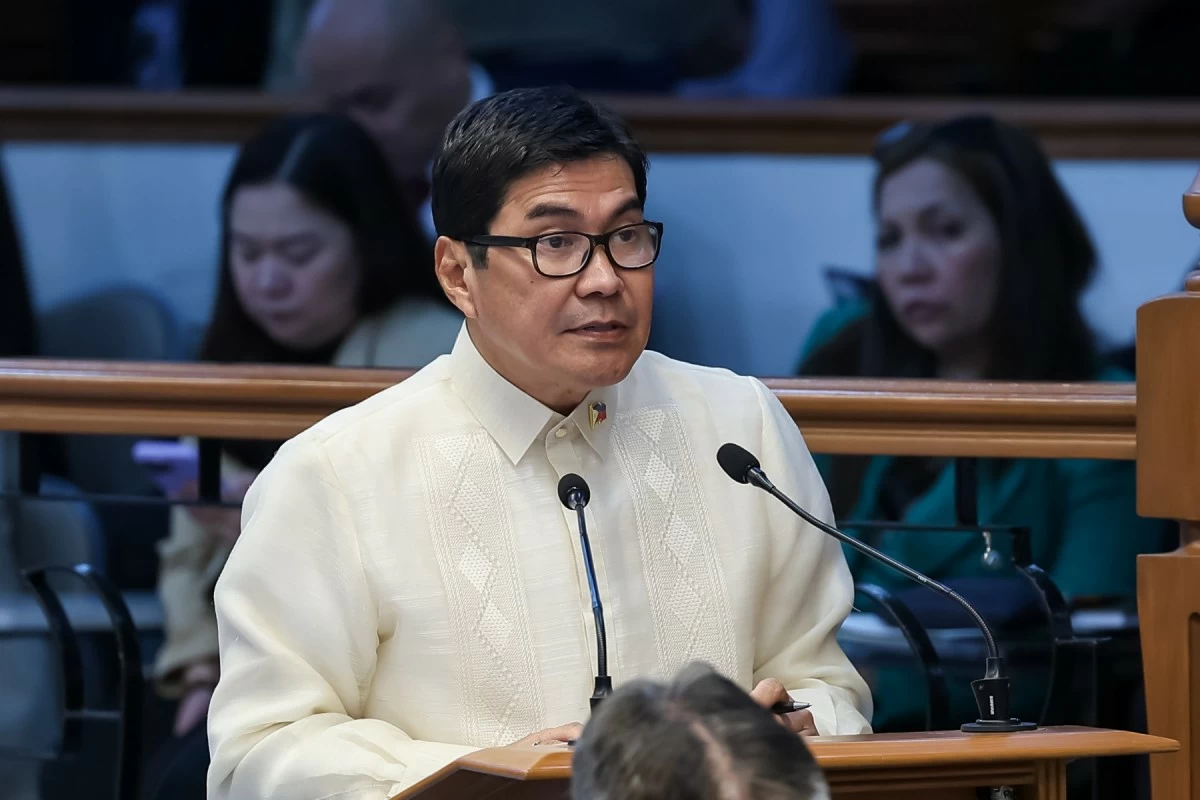
Senator Erwin Tulfo (Senate PRIB photo)
In a privilege speech, Tulfo said platforms such as Meta, YouTube, TikTok and Instagram have failed to adequately protect the public, especially children, despite having policies prohibiting graphic violence and other harmful content.
He cited the recent Zamboanga high school shooting and the Tacloban school shooting, where images, videos, and posts involving the alleged perpetrators and the incidents were reportedly circulated on social media.
“Ang krimen po ay hindi pang entertainment. Ang paghihirap ng biktima ay hindi po content. At ang mukha ng isang batang biktima man o suspek ay hindi dapat maging viral material (Crime is not entertainment. A victim’s suffering is not content. And the face of a child, whether a victim or a suspect, should never be turned into viral material),” Tulfo said.
Tulfo questioned why images of the Zamboanga shooting, including the alleged student-victim's body, were allowed to circulate online, as well as why photos and videos of the two minors involved in the Tacloban shooting were posted for public consumption.
He stressed that authorities and the public should not prejudge individuals who have not been convicted by a court.
He also said social media companies should prevent tragedies from being turned into viral content.
“We are not asking social media companies to censor legitimate journalism, public-interest reporting, or lawful expression,” Tulfo said.
“We are asking them to exercise reasonable and effective responsibility when content clearly violates their own published standards and, more importantly, when it threatens the dignity, privacy, and safety of our children,” he added.
Tulfo said Congress should study legislation imposing heavier fines or penalties on social media platforms that repeatedly allow prohibited images or videos to be disseminated, particularly content depicting violence against children.
He raised doubts on the effectiveness of the platforms' community standards if their algorithms and moderators continue to allow prohibited material to be uploaded and remain accessible to millions of users, including children.
“Hindi po sapat ang sabihin nilang (It's not enough that they say), ‘We have community standards. The question is: Are you actually enforcing them, Meta, YouTube, TikTok, Instagram and Twitter?”
Tulfo also argued that social media companies should share responsibility for the consequences of content that remains on their platforms.
“Hindi maaaring ang kita ay pribado, ngunit ang social cost ng kapabayaan ay pasan nating publiko (The profits cannot be private while the social costs of negligence are borne by the public),” he said.
Tulfo emphasized that his call was not aimed at suppressing social media or legitimate expression, but at making online platforms safer and protecting children from harmful content.
“Let us therefore demand accountability—not to silence social media, but to make it safer,” he said.