






Manila Bulletin
 Philippines
National
Calamity victims need not prove they're poor to get aid, says DSWD
Philippines
National
Calamity victims need not prove they're poor to get aid, says DSWD
Philippines
National
Calamity victims need not prove they're poor to get aid, says DSWD
Calamity victims need not prove they're poor to get aid, says DSWD
Published Aug 25, 2026 12:39 pm


At A Glance
- DSWD-Disaster Response and Management Group Assistant Secretary Irene Dumlao said families affected by disasters are not required to secure a certificate of indigency to access emergency assistance.
- Local government units (LGUs), as frontline responders, are responsible for identifying and assessing the number of people and families affected by a disaster.
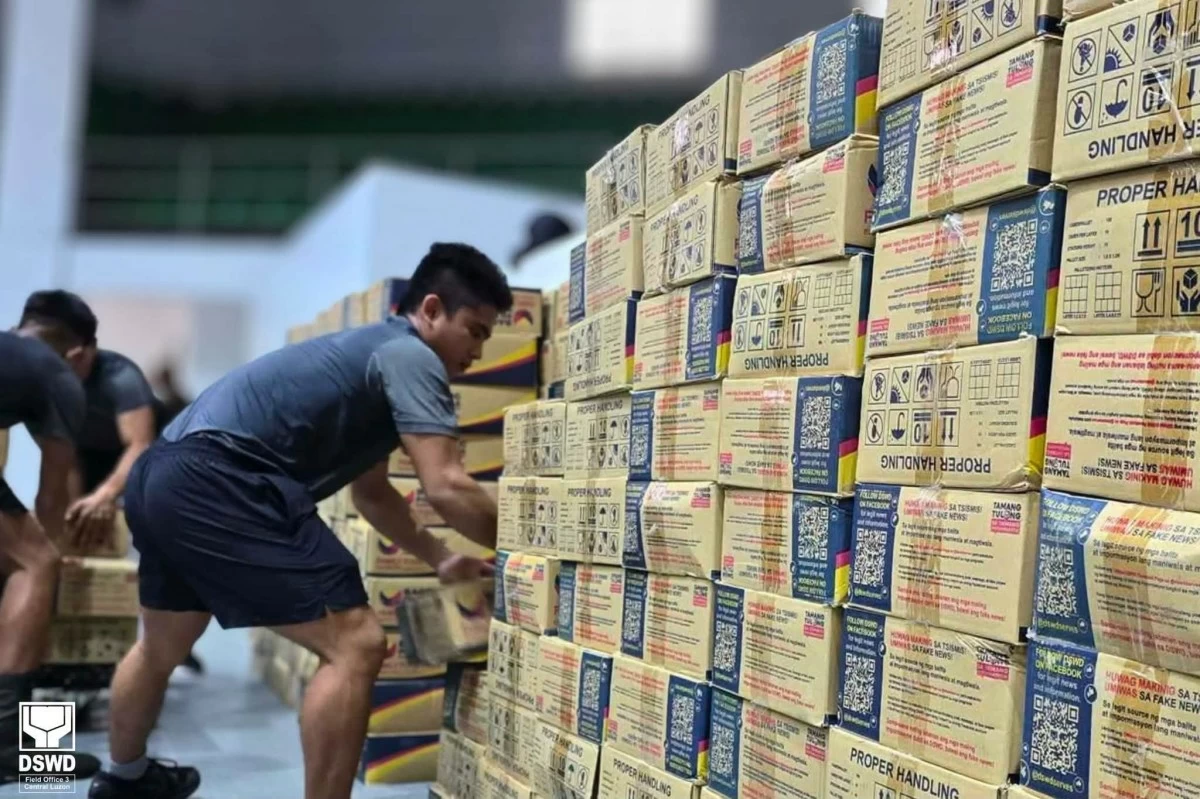
DSWD
The Department of Social Welfare and Development (DSWD) on Tuesday, Aug. 25, reminded families affected by calamities that they do not have to prove that they are poor before they can receive humanitarian assistance from the agency.
DSWD-Disaster Response and Management Group Assistant Secretary Irene Dumlao said families affected by disasters are not required to secure a certificate of indigency to access emergency assistance.
She explained that local government units (LGUs), as frontline responders, are responsible for identifying and assessing the number of people and families affected by a disaster.
“Kung matatandaan natin, ang local government units ang frontline in service delivery, sila nga po yung nangunguna na nagbibigay ng tulong sa kanila pong mga nasasakupan na naapektuhan ng mga iba’t ibang mga kalamidad (As we remember, local government units are the frontline in service delivery. They are the ones who lead in providing assistance to their constituents affected by various calamities),” Dumlao said.
The data gathered by LGUs helps determine which families need assistance and what type of support should be provided, she added.
The DSWD then augments the assistance provided by LGUs and extends technical support in responding to calamities and other emergencies.
The clarification comes as the government continues to assist communities affected by the enhanced southwest monsoon or “habagat” and tropical cyclones Luis, Maymay, and Neneng.
As of Tuesday, DSWD said it had provided at least ₱1.2 billion worth of humanitarian assistance to affected communities.
The assistance included about 1.9 million family food packs, ready-to-eat food boxes, non-food items, and ₱14.4 million in financial assistance for families severely affected by the recent weather disturbances.