






Manila Bulletin
 Lifestyle
Health and Wellness
Why delaying kidney screening may cost more in the long run
Lifestyle
Health and Wellness
Why delaying kidney screening may cost more in the long run
Lifestyle
Health and Wellness
Why delaying kidney screening may cost more in the long run
Why delaying kidney screening may cost more in the long run
How Boehringer Ingelheim and the healthcare sector are working to build more sustainable care and reduce economic strain
By MBrand
Published Aug 24, 2026 04:30 pm


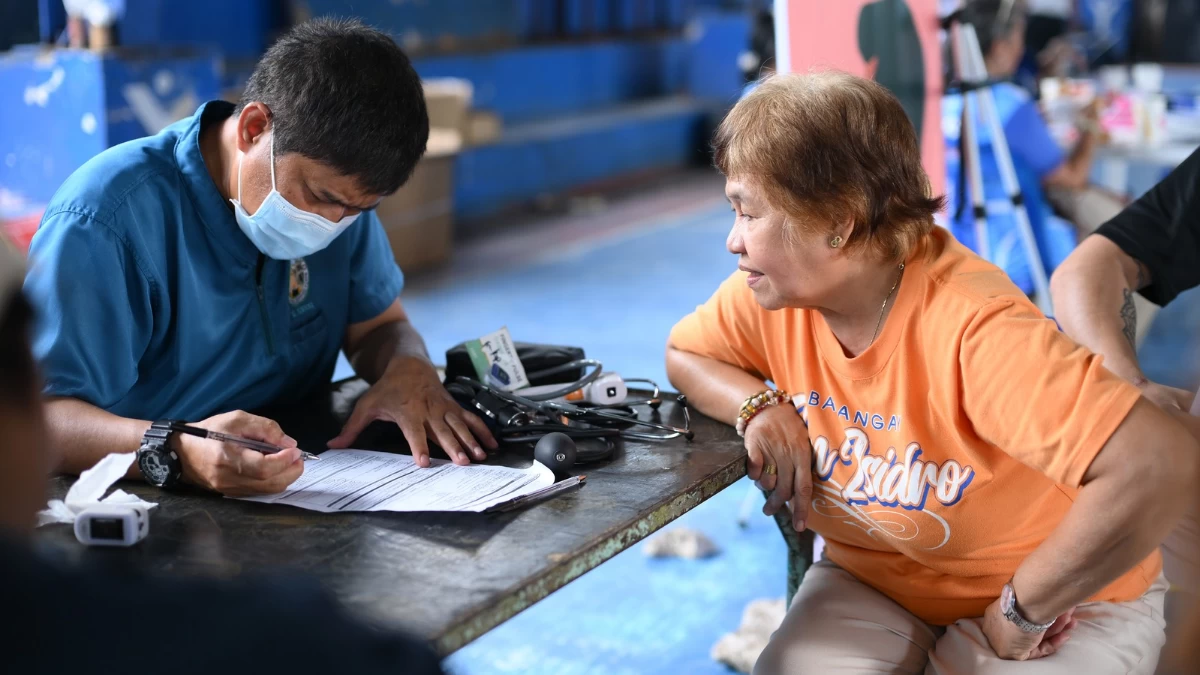
Kidneys: Get CheCKD Habang Maaga Pa!” rollout, highlighting the importance of early detection and proactive care to help prevent CKD progression and its long-term burden.
By Danica Crisologo
Chronic kidney disease (CKD) is a growing health concern in the Philippines, often developing without clear symptoms until it reaches advanced stages. This makes early detection difficult and, for many, delays the start of proper care. Beyond its health impact, CKD also places a significant financial burden on Filipino families and the healthcare system.
Recent estimates published in the Journal of Medical Economics show that around 12.94 million Filipinos, or 11.2 percent of the population, are living with CKD. One Filipino develops kidney failure every hour. Despite these numbers, awareness remains low, and many cases are only diagnosed when the disease has already progressed.
“Chronic kidney disease is often diagnosed late, when it is already more complex and costly to manage,” said Dr. Greta Cortez, Head of Medicine at Boehringer Ingelheim Philippines. "Boehringer Ingelheim emphasizes that early CKD care is one of the most effective ways to reduce long-term healthcare costs, as it helps prevent disease progression and reduces the need for costly late-stage treatments such as dialysis or transplantation.”
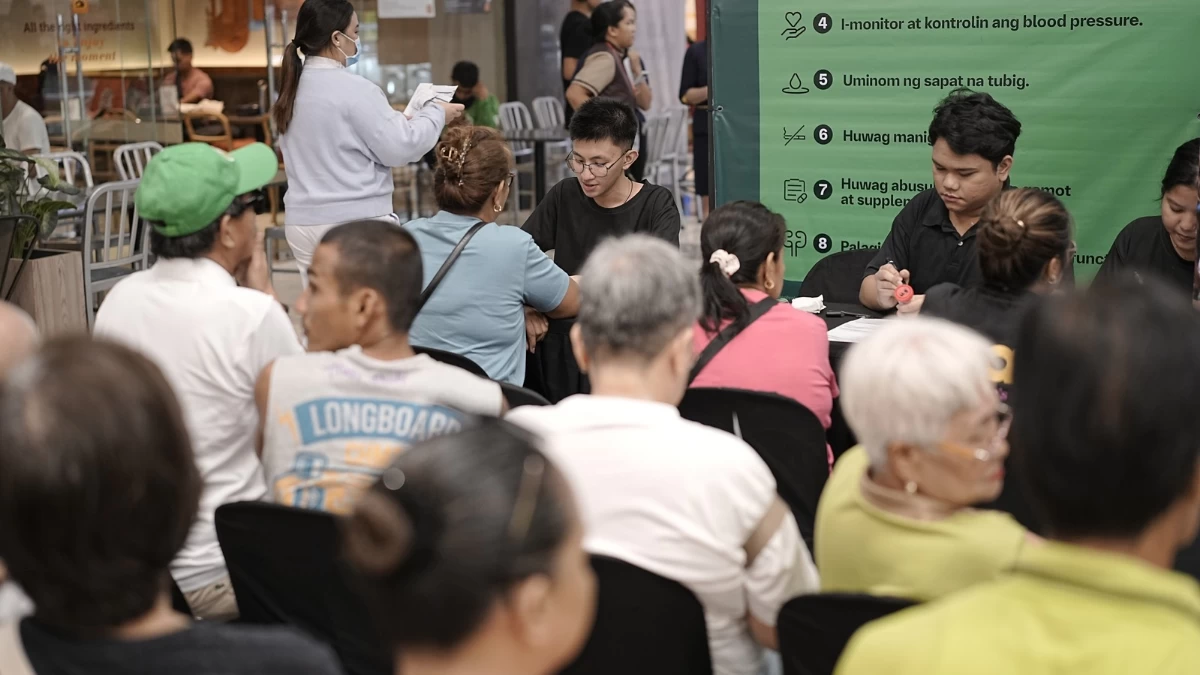
A closer look at the cost of delayed care
CKD is often linked to other common conditions such as heart disease and type 2 diabetes. These conditions are connected and can worsen each other over time, especially when risk factors like high blood pressure, high blood sugar, and obesity are not properly managed.
“Shared risk factors such as hypertension, diabetes, and obesity fuel this overlap, while underlying biological mechanisms create a cycle that drives disease progression,” said Dr. Anthony Russell Villanueva in an interview with Manila Bulletin. He added that a fragmented approach to care can delay diagnosis and limit access to the right treatment.
In 2023 alone, the total economic burden of the disease in the Philippines was estimated at ₱592.15 billion. This includes not only hospital expenses but also the cost of maintenance medicines, transportation to treatment centers, and lost income when patients are unable to work.
A large portion of this cost comes from medications needed to manage CKD and its complications, amounting to about ₱100.40 billion. Advanced cases, where kidney function is severely reduced, account for around ₱147.12 billion. As the disease progresses, treatment becomes more intensive and more expensive.
Type 2 diabetes is a major contributor, making up 60.9 percent or ₱360.54 billion of the total CKD burden. This highlights the importance of managing blood sugar levels not only to control diabetes but also to protect kidney health. When related conditions are treated separately, opportunities for early detection and coordinated care may be missed.
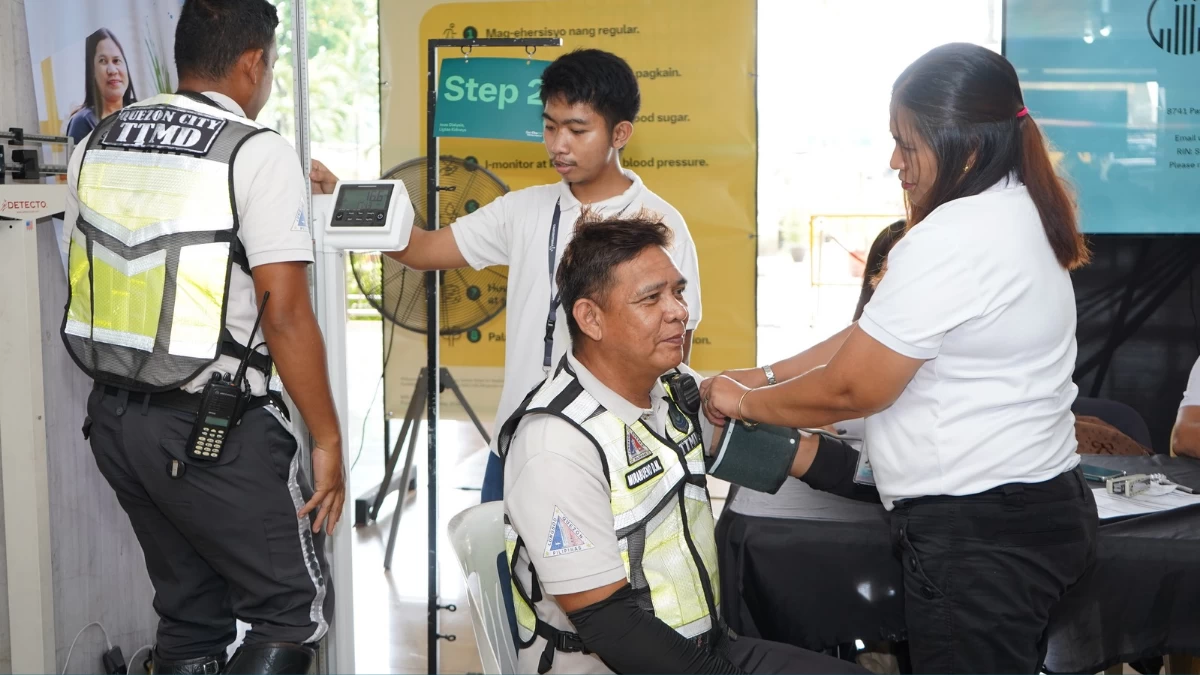
Boehringer Ingelheim Philippines’ “Iwas Dialysis, Ligtas Kidneys: Get CheCKD Habang Maaga Pa!” initiative brings health screenings closer to communities and workplaces in Quezon City, making early risk detection more accessible and encouraging proactive kidney care.
What we can do
Simple, everyday habits still play an important role in protecting kidney health. Eating a balanced diet, staying physically active, avoiding smoking, managing stress, and following prescribed treatments can help reduce the risk of complications over time.
Just as important is knowing when to get checked. CKD often has no early symptoms, so routine tests such as blood and urine checks are essential, especially for people with diabetes, high blood pressure, or a family history of kidney disease. Early detection allows doctors to slow down the progression of the disease and avoid more serious complications.
One such initiative is the Get CheCKD campaign by Boehringer Ingelheim Philippines. This nationwide program promotes early risk screening, encourages healthier lifestyle choices, and highlights the importance of understanding the broader cardio-renal metabolic connection.
One of their flagship initiatives is the Kidney Disease Management for Primary Care Physicians (KDM4PCP) program, which equips frontline healthcare providers with practical tools and clinical guidance. By enabling primary care physicians to detect and manage CKD within the context of related conditions, the program aims to bridge gaps in early diagnosis and ensure that patients receive more integrated, patient-centered care.
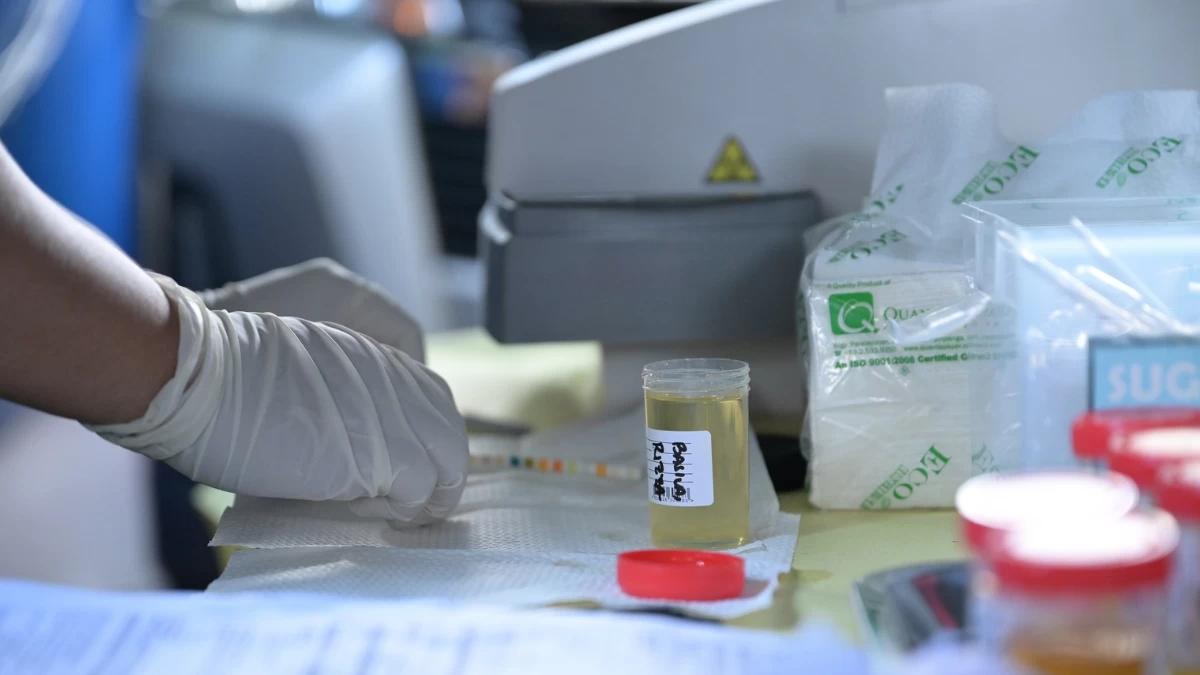
These initiatives are supported through partnerships with organizations such as the Philippine Alliance of Patient Organizations, Kidney Transplant Association of the Philippines, Inc., Kidney Alliance Philippines Inc., and Dialysis PH, helping expand access to consistent and guideline-based care nationwide.
Early detection and prevention remain the most practical way to manage CKD. Acting sooner not only helps protect health but also reduces the long-term financial burden. For many Filipinos, getting checked early may be the difference between manageable care and costly treatment later on.
More information on chronic kidney disease, early risk screening, and cardio-renal metabolic health is available through ItStartsWithYou.com.ph. When it comes to kidney health, acting early can make all the difference, not only in preserving quality of life but also in easing the financial burden that comes with delayed care.