






Manila Bulletin
 Philippines
National
Senate panel OKs bills resetting 2026 BSKE polls, fixing terms of barangay officials
Philippines
National
Senate panel OKs bills resetting 2026 BSKE polls, fixing terms of barangay officials
Philippines
National
Senate panel OKs bills resetting 2026 BSKE polls, fixing terms of barangay officials
Senate panel OKs bills resetting 2026 BSKE polls, fixing terms of barangay officials
By Dhel Nazario
Published Aug 24, 2026 01:51 pm


At A Glance
- The Senate Committee on Local Government approved measures postponing the November 2026 BSKE, including Sen. Chiz Escudero's bill seeking to fix the terms of barangay and SK officials at five years.
- Comelec Chairman George Garcia said around ₱3 billion of the ₱8 billion already spent, obligated or earmarked for the 2026 BSKE would be unrecoverable if the elections are postponed, although most election materials can still be reused.
- Sen. Imee Marcos filed a bill moving the elections to October 2027, citing the financial burden of travel on voters and the fact that the scheduled November 2026 election falls on All Souls' Day.
A Senate panel on Monday, Aug. 24, approved bills postponing the November 2026 Barangay and Sangguniang Kabataan Elections (BSKE) and fixing their term of office.
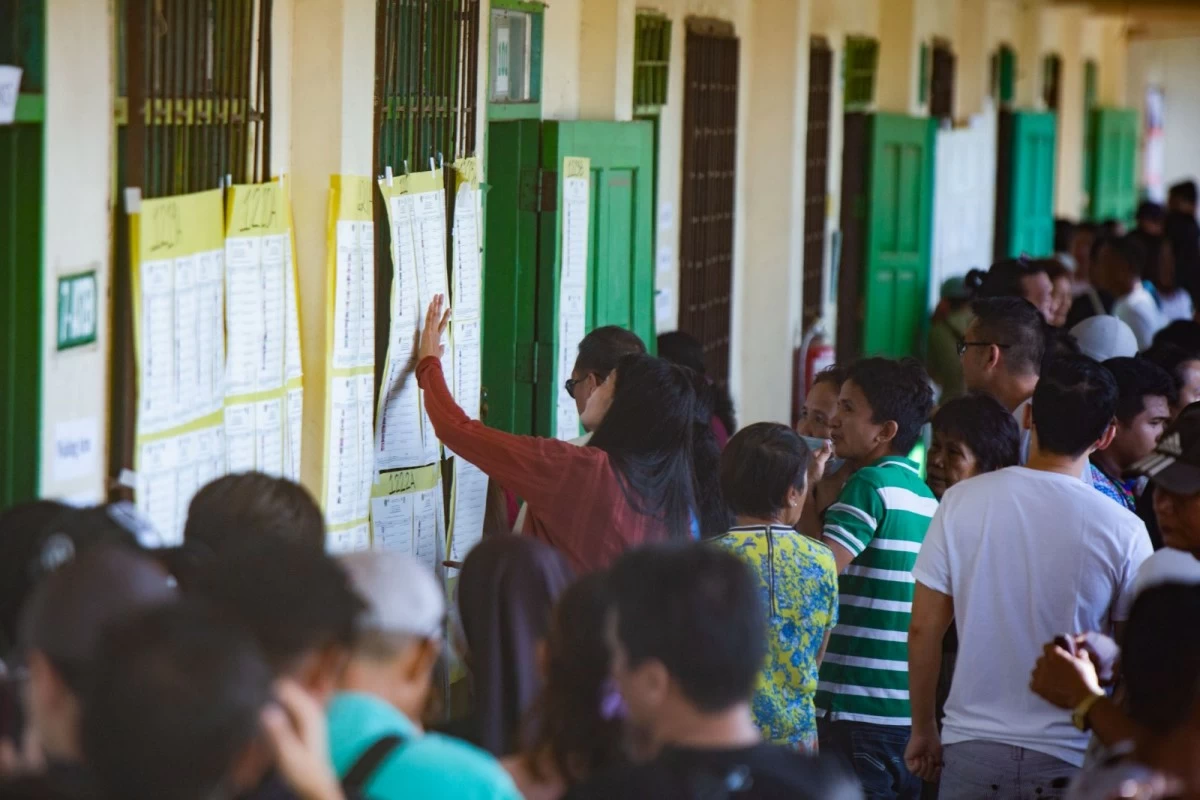
Davao City residents cast their vote in different precincts on May 12, 2025. (Keith Bacongco / Manila Bulletin)
Senator Francis “Chiz” Escudero, who presided over the Senate Committee on Local Government hearing, said that his bill, Senate Bill No. 2387, seeks to fix, and not merely extend or postpone, the terms of barangay and Sangguniang Kabataan (SK) officials from four to five years, to promote greater stability and continuity in barangay governance.
"The natural effect will, of course, be to postpone the upcoming election, but the subject matter of this bill is fixing the term,” he explained.
Escudero believed that establishing a fixed five-year term breaks the cycle of repeated congressional postponements and prevents local elections from repeatedly overlapping with national elections.
When asked about the postponement, Escudero said it will still be discussed and voted upon in plenary by senators.
Under the proposed measure, the transition would count existing terms to ensure fairness, preventing incumbent officials from benefiting from a term extension. The bill also seeks to enable local leaders to focus on long-term community development, disaster response, and peace and order without the disruptions of frequent elections.
Commission on Elections (Comelec) Chairman George Erwin Garcia said that Congress shall be the sole authority to fix the term.
"Yung aming patuloy na pakiusap [sa mga mambabatas], itong buwan ng September, kahit ikalawang linggo man lang, maging maliwanag na 'yung sagot sa katanungan kung tuloy o hindi ang BSKE (Our continued appeal to lawmakers is that by September, even by the second week, there should already be a clear answer to the question of whether the BSKE will push through or not)," he said in a change interview.
Meanwhile, Senator Imee Marcos filed the measure seeking to move the November 2026 BSKE to October 2027, noting that the election this year will fall exactly on All Souls’ Day.
In a Facebook post on her page, Marcos stated: "Yes! Di na tuloy ang BSKE sa November (Yes! BSKE will no longer proceed in November)."
Marcos said the passage of the bill into law would help Filipinos bear the cost of traveling, as the high cost of fuel could bar them from the polls and from exercising their right to suffrage
The senator said moving the date to October 2027 would help relieve Filipino families from financial strain especially since they would have to go to the provinces during election day. She said a postponement of the BSKE would give voters more time to transfer their registrations, allowing them to update records and avoid expensive travel on election day.
Funds spent
Senate President Win Gatchalian asked how much of the Comelec’s expenditures would be lost if Congress resets the elections as part of a proposal to extend the terms of barangay and SK officials to five years. Garcia said around ₱3 billion of the ₱8 billion already spent or obligated for the 2026 BSKE would be considered sunk costs if the elections are postponed again.
The 2026 BSKE has been allocated ₱19.57 billion, nearly twice the usual ₱11 billion to ₱12 billion cost of a BSKE. Garcia attributed the higher allocation to the increase in registered voters to about 71 million, the expansion of polling precincts to 225,000, additional electoral board members and support staff, higher teacher honoraria, and increased printing requirements.
Garcia said about ₱8 billion has already been spent, obligated or earmarked, including expenses for voter registration, personnel services, overtime work and election preparations. Of that amount, around ₱3 billion would no longer be recoverable.
However, Garcia stressed that much of the remaining expenditure could still be used in a future election. He said Comelec has already completed the printing of ballots, including the additional ballots needed for the increase in voters, at a cost of about ₱2.4 billion.
If the BSKE is moved to 2028, Garcia said Comelec could issue a resolution allowing the ballots printed for the 2026 elections to be used for the postponed polls, even if the date printed on the ballots remains 2026.
Sen. Chiz Escudero, meanwhile, noted that expenses for overtime workers involved in printing and storing the ballots should not necessarily be treated as money wasted, since these form part of the cost of producing and storing election materials that can still be used in a future election.