







Gasoline, diesel prices rising again this week
Published Aug 24, 2026 02:39 pm


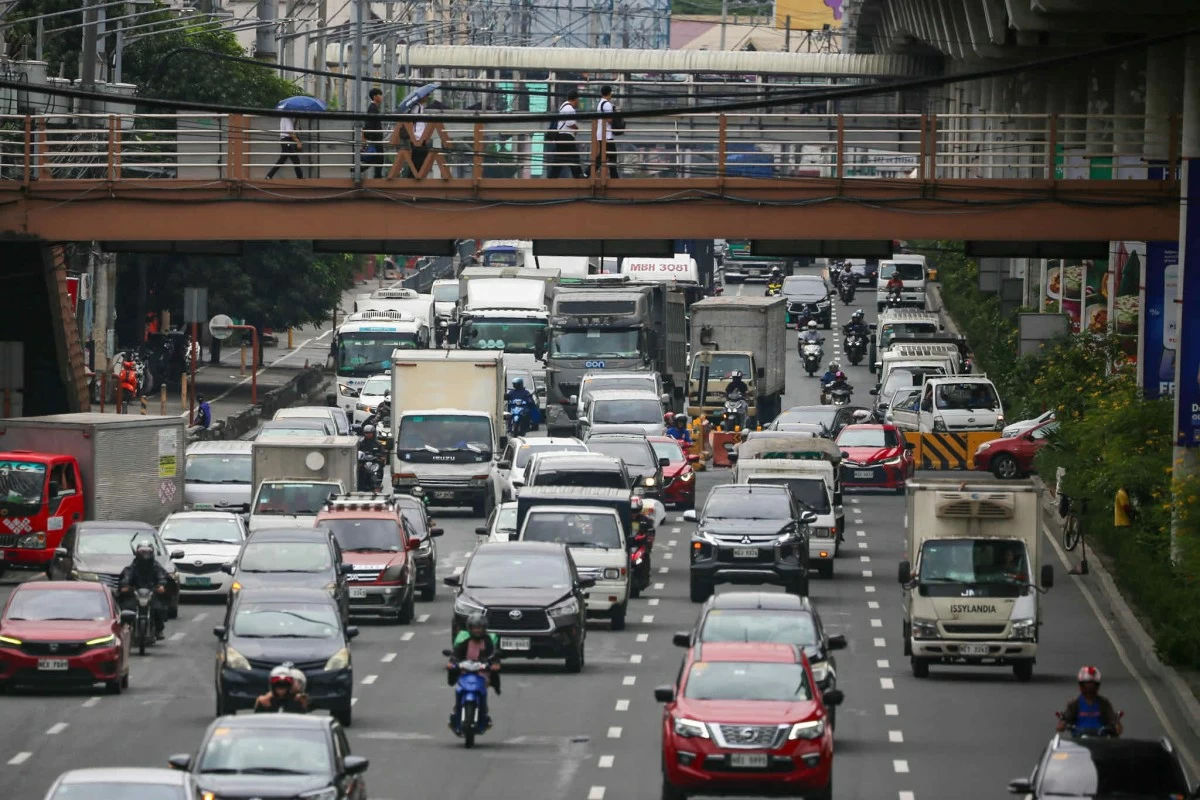
Motorists experienced light to moderate traffic along Marcos Highway on December 10, 2025. The Department of Public Works and Highways (DPWH) and the Land Transportation Office’s (LTO) Anti-Truck Overloading Mobile Enforcement (ATOME) suspended its operations along Marcos Highway from December 10, 2025 to January 6, 2026 to help ease holiday traffic. (John Louie Abrina / MANILA BULLETIN)
The government will implement another round of fuel price increases starting Aug. 25, driven by escalating geopolitical tensions in the Middle East that continue to disrupt international energy markets.
Effective Tuesday, Aug. 25, diesel prices are set to climb by up to ₱2.31 per liter, gasoline by up to ₱1.08 per liter, and kerosene by ₱0.95 per liter.
Oil companies are expected to implement these adjustments based on the prescribed maximum amounts.
Currently, the country holds an overall 47.22-day fuel supply. Broken down by fuel type, diesel inventory stands at 47.66 days, gasoline at 44.39 days, and liquefied petroleum gas (LPG) at 34.49 days, while kerosene leads with the largest reserve at 121.85 days.
Energy Secretary Sharon Garin explained that the adjustments stem from heightened conflicts between the United States (US) and Iran.
“In the past week, prospects for a diplomatic resolution to the U.S.-Iran conflict and the normalization of navigation through the Strait of Hormuz have weakened. It hasn’t improved,” she said in a briefing on Monday, Aug. 24.
“These developments are driving up international prices, with the impact ultimately reaching consumers at the pump in our country,” she added.
Recently, Iran warned that regional support for new US sanctions would be considered an “act of war.” However, Iranian leadership suggested a recent US memorandum of understanding could help resolve economic stagnation and end the conflict, despite a 60-day negotiation window expiring without a formal deal.
“We are strengthening our energy security so that the country is better prepared for future external shocks. This means investing in stronger domestic energy infrastructure… [and] over the long term, pursuing measures such as a Philippine strategic petroleum reserve,” Garin added.