






Manila Bulletin
 Philippines
National
Filipino language must remain a tool for knowledge, digital innovation in AI era — VP Sara
Philippines
National
Filipino language must remain a tool for knowledge, digital innovation in AI era — VP Sara
Philippines
National
Filipino language must remain a tool for knowledge, digital innovation in AI era — VP Sara
Filipino language must remain a tool for knowledge, digital innovation in AI era — VP Sara
Duterte says the national language serves as a bridge to unity, culture, and information as Filipinos celebrate Buwan ng Wikang Pambansa
Published Aug 24, 2026 09:04 am


At A Glance
- VP Sara Duterte says the Filipino language must remain a vital tool for knowledge and digital innovation in the AI era.
- She describes the national language as a bridge to Filipino unity, culture, history, and collective identity.
- Duterte urges Filipinos, including those living and working abroad, to continue using and valuing their language as part of their connection to home and heritage.
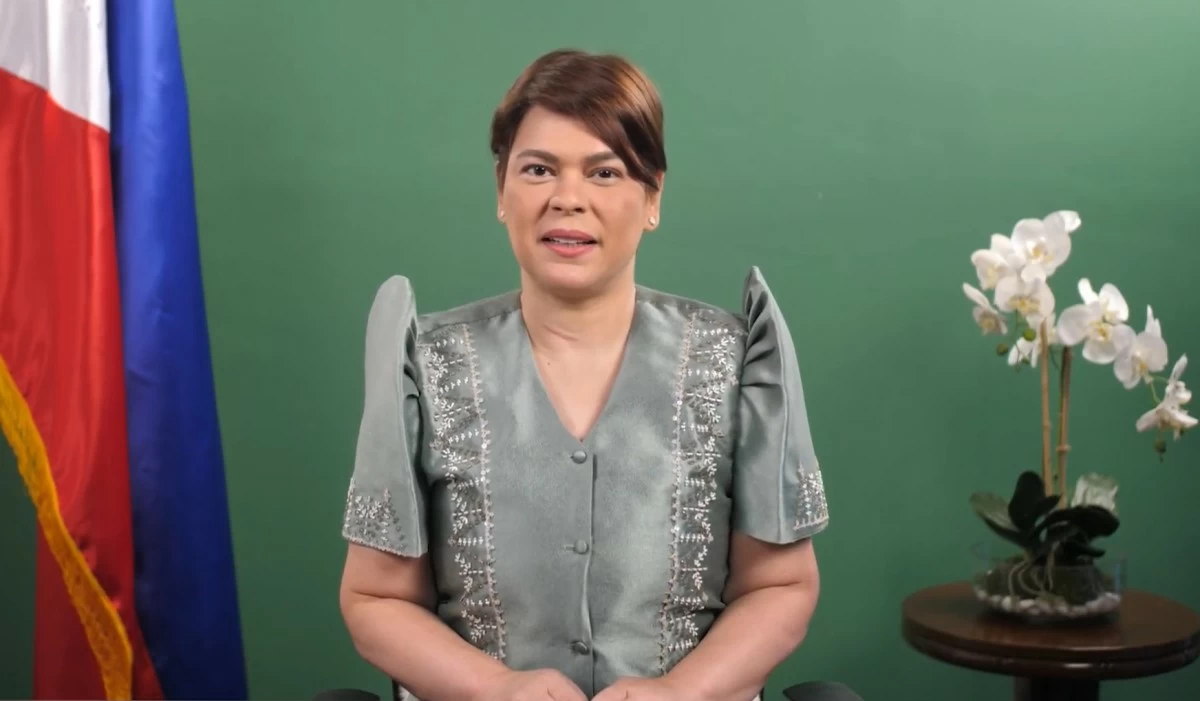
Vice President Sara Duterte underscores the importance of keeping the Filipino language relevant in the digital age and using it as a tool for research and innovation amid advances in artificial intelligence. (Screengrab from OVP video)
Vice President Sara Duterte called for ensuring that the Filipino language remains a vital tool for knowledge and digital innovation amid the rapid development of artificial intelligence (AI), as the country celebrates Buwan ng Wikang Pambansa.
In a statement released on Monday, Aug. 24, Duterte underscored the importance of the national language in preserving Filipino identity while adapting to emerging technologies.
“Ang ating wika ang kaluluwa ng ating kultura, tulay ng ating pagkakaisa, at salamin ng ating kasaysayan (Our language is the soul of our culture, the bridge of our unity, and the reflection of our history),” Duterte said.
Filipino language and AI
Duterte highlighted this year's theme, “Wikang Filipino at AI: Kasangkapan sa Pananaliksik at Tulay sa Yaman ng Impormasyon,” stressing the need to ensure that the national language remains relevant in the digital age.
“Sa pagpasok ng makabagong teknolohiya, siguruhin natin na ang ating pambansang wika ay hindi naiiwan—kundi nananatiling sandata sa karunungan at digital na inobasyon (With the rise of modern technology, let us ensure that our national language is never left behind—but remains a tool for knowledge and digital innovation),” she said.
The Vice President said technological advancement should go hand in hand with efforts to strengthen the Filipino language as a means of accessing information, conducting research, and promoting innovation.
Language as a symbol of Filipino identity
Duterte also described the Filipino language as an important part of the country's collective identity and a means of connecting Filipinos across different communities and regions.
“Ito ang landas tungo sa ating pangarap—isang bansa kung saan ligtas, edukado, at may magandang kinabukasan ang bawat bata at walang pamilyang naiiwan sa kahirapan (This is the path toward our dream—a nation where every child is safe, educated, and assured of a bright future, and no family is left behind in poverty),” she said.
For Filipinos living and working abroad, particularly overseas Filipino workers (OFWs), Duterte said hearing one's native language can provide a sense of comfort and connection to home.
“Para sa ating mga kababayan at mga OFW, alam kong walang hihigit sa kapanatagan na marinig ang ating sariling wika sa dayuhang lupain (For our fellow citizens and overseas Filipino workers, I know that nothing brings greater peace of mind than hearing our own language in a foreign land),” she said.
“Ang ating wika ang inyong tahanan, saanman kayo mapadpad (Our language is your home, wherever life may take you),” she added.
Celebrating Filipino identity
Duterte also urged Filipinos to celebrate their identity by continuing to use and value the language that has helped preserve the country's history, culture, and shared experiences.
“Kaya naman, sabay-sabay nating ipagdiwang ang ating pagka-Filipino gamit ang tinig na nagbibigay-buhay sa ating lahi saan man tayo sa mundo (That is why, together, let us celebrate our Filipino identity through the voice that gives life to our heritage—wherever we may be in the world),” she said.
Buwan ng Wikang Pambansa is celebrated every August to promote the Filipino language and other Philippine languages, while highlighting their role in preserving the country's culture, history, and national identity.