






Manila Bulletin
 Philippines
National
CICC warns of geo-blocking for digital platforms that violate child safety rules
Philippines
National
CICC warns of geo-blocking for digital platforms that violate child safety rules
Philippines
National
CICC warns of geo-blocking for digital platforms that violate child safety rules
CICC warns of geo-blocking for digital platforms that violate child safety rules
Published Aug 23, 2026 02:28 pm


At A Glance
- Geo-blocking could be imposed on digital platforms that repeatedly refuse to comply with Philippine child protection rules, Cybercrime Investigation and Coordinating Center (CICC) Undersecretary Aboy Paraiso said.
- Platforms that cooperate and address deficiencies may avoid sanctions but those that repeatedly disregard lawful government directives could face progressively stronger restrictions, including suspension of access.
- The CICC stressed that child protection is the priority, citing concerns over predators and extremist groups exploiting digital platforms to groom, manipulate or radicalize minors.
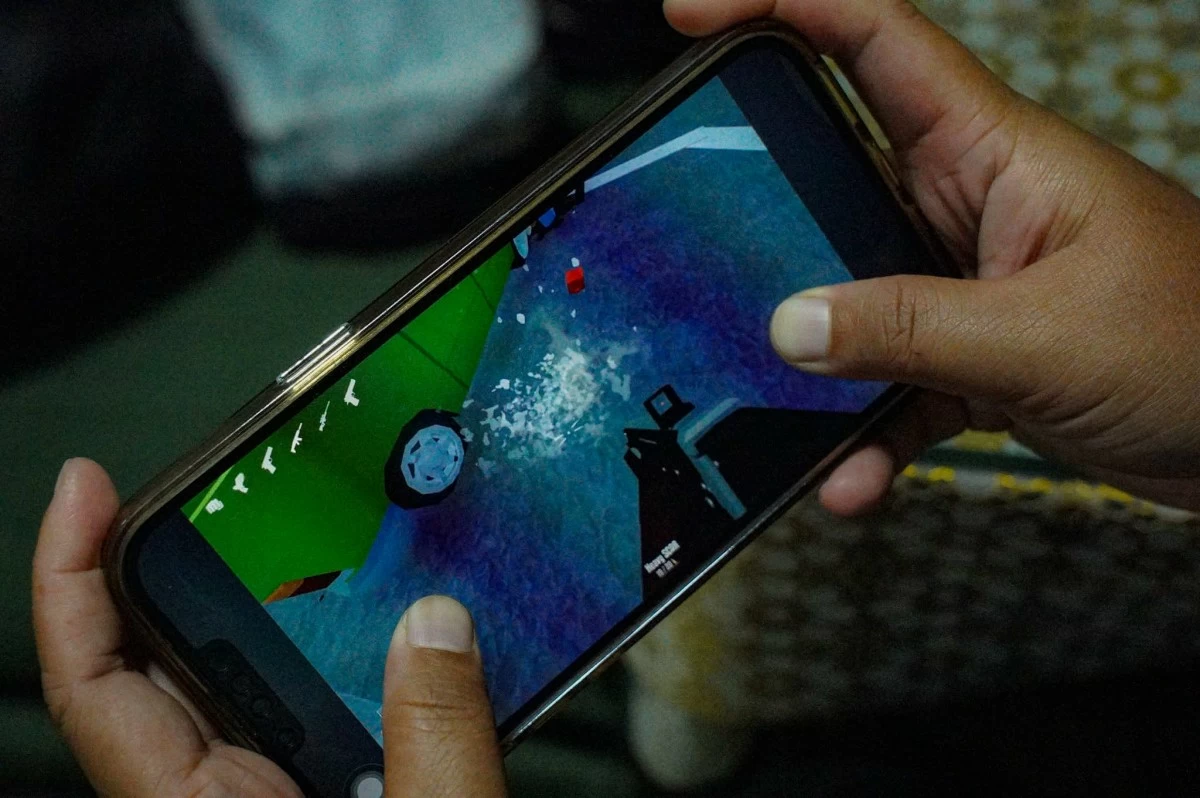
A mobile device displays the interface of the video game GoreBox on June 25, 2026. The Cybercrime Investigation and Coordinating Center (CICC) imposed a temporary ban on the physics-driven sandbox game after police investigators found that a 14-year-old Grade 9 student involved in a fatal school shooting in Tacloban City was a frequent player prior to the incident. (John Louie Abrina)
Digital platforms that repeatedly refuse to comply with the country’s child protection requirements could face geo-blocking or suspension of access, stressing that no platform is too large to escape accountability, the Cybercrime Investigation and Coordinating Center (CICC) warned on Sunday, Aug. 23.
CICC Undersecretary Aboy Paraiso said access restrictions should be used against platforms that refuse to correct deficiencies or comply with lawful government directives once a national framework for online child protection is established.
“Our objective is compliance, not disruption. We will work with platforms that demonstrate a genuine willingness to comply. But deliberate or repeated refusal to meet lawful child protection requirements must have consequences,” he said.
The warning came as Congress pushes for stronger safeguards against online grooming, radicalization, and exploitation of minors. House Speaker Faustino “Bojie” Dy III recently led the initiative, with senators echoing the call.
“We fully support the initiative of Speaker Dy and the House of Representatives to strengthen the protection of Filipino children in the digital space. The fact that these concerns have also been echoed in the Senate demonstrates that this is not merely an issue for one agency or one chamber of Congress. This is a matter of national concern,” Paraiso said.
The CICC said geo-blocking could be among the measures imposed on platforms that repeatedly fail to meet the country's requirements. Other possible actions include restricting access and, when legally authorized, suspending a platform’s accessibility in the country until it complies.
Authorities have linked online platforms to recent school violence cases. In Calamba, Laguna, police foiled an alleged school attack plot involving seven minors believed to have been groomed through an online gaming platform.
The Philippine National Police (PNP) also recorded at least 50 incidents of school violence between June 16 and Aug. 19, including fatal shootings in Tacloban City and Zamboanga City. One case was reportedly linked to grooming via online games while another was livestreamed in a manner resembling a “first-person POV shooter like a video game.”
Paraiso cautioned against blaming violent online games or social media users in general for such incidents. However, he said the concern is how predators and extremist groups could exploit digital services to target vulnerable minors.
“We are not saying that every child who plays a violent online game or uses social media will become violent. But we cannot ignore the danger when predators, extremist networks, or other malicious actors deliberately use these platforms to identify, manipulate, groom, and radicalize minors,” he said.
“Platforms have both the capability and the responsibility to prevent their services from being used for these purposes,” he added.
‘Geo-blocking as a last resort’
The CICC said the planned framework should first establish clear duties for digital platforms and give government agencies the authority to enforce those requirements.
Platforms that act in good faith and address identified problems could be given remedial measures. Those that repeatedly disregard the rules could face progressively stronger sanctions.
“Once the guidelines are in place, platforms will know exactly what is expected of them. Those that want continued access to millions of Filipino users must accept the responsibilities that come with that access. Child protection cannot be treated as optional,” Paraiso said.
The CICC said geo-blocking is not a new enforcement concept as it noted that Singapore has used the technology in enforcing certain copyright and licensing requirements and in addressing national security concerns involving foreign interference.
Paraiso stressed that blocking access should not be the government’s first response, instead, restrictions would be considered when a platform continues to refuse to comply despite warnings and lawful directives.
“No digital platform is too big to be held accountable. If you want access to the Philippine market and millions of Filipino users, you must respect the safeguards established to protect them. Protecting our children is not optional,” he said.