







PH, Japan activate defense logistics pact
Published Aug 22, 2026 04:46 pm


At A Glance
- The Department of National Defense said the Philippines and Japan have activated the Acquisition and Cross-Servicing Agreement (ACSA), allowing their armed forces to exchange supplies and services during joint activities.
- The pact is expected to strengthen operational cooperation and improve logistical support for military exercises and humanitarian assistance and disaster response operations.
- The DND said the agreement builds on Manila and Tokyo's growing security partnership, with Japan providing patrol vessels, radar systems and training support to the Armed Forces of the Philippines.
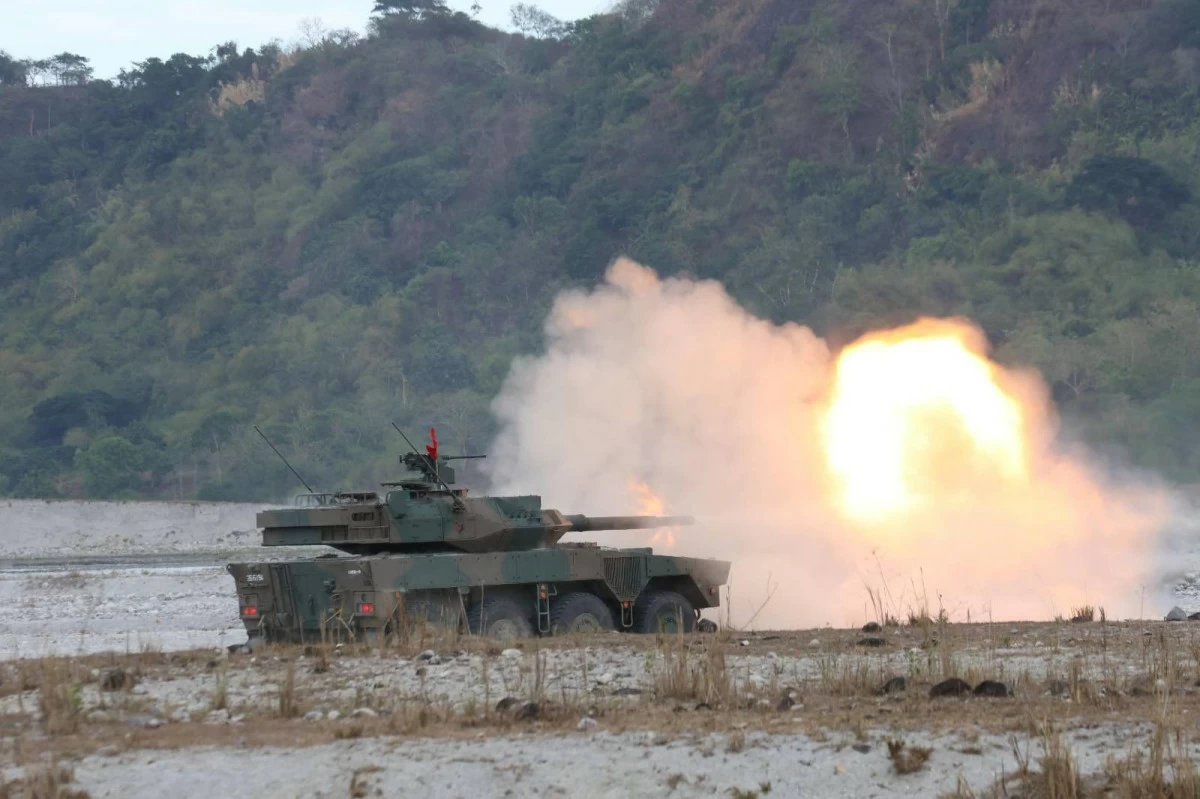
A Japan Ground Self-Defense Force's Maneuver Combat Vehicle fires at a target during the first-ever Philippine Army-Japan Ground Self-Defense Force Exercise Salaknib combined live fire exercise at Colonel Ernesto Rabina Air Base (CERAB) in Capas, Tarlac held from May 1 to 2, 2026. (Photo: PA)
The Department of National Defense (DND) on Saturday, Aug. 22, announced the entry into force of the Acquisition and Cross-Servicing Agreement (ACSA) between the Philippines and Japan, a framework that allows the Armed Forces of the Philippines (AFP) and the Japan Self-Defense Forces (JSDF) to exchange supplies and services during joint activities.
DND spokesperson Assistant Secretary Arsenio R. Andolong said the agreement, signed in January, will enhance operational cooperation between the two countries’ militaries.
“The ACSA framework further strengthens our operational cooperation through the efficient and coordinated provision of supplies and services between the Armed Forces of the Philippines and the Self-Defense Forces of Japan, which will greatly impact our bilateral activities including exercises and humanitarian assistance and disaster response,” he said.
The DND said that ACSA provides the two militaries with an agreed framework for requesting, providing, and settling payment or reimbursement for supplies and services during authorized activities.
The arrangement can cover logistical requirements such as fuel, food and water, transportation, accommodation, maintenance and repair, communications, storage, and airport and seaport services. It may also cover ammunition under provisions of the agreement.
For AFP and JSDF personnel conducting a joint exercise, the arrangement means either side can provide agreed supplies and services without having to establish separate logistical arrangements for every activity, the DND added.
The same system could be used during humanitarian assistance and disaster response (HADR) operations, which is particularly relevant to Manila, which regularly faces typhoons, earthquakes, and other disasters requiring rapid deployment and sustained logistical support.
“This agreement also demonstrates the practical application of our comprehensive strategic partnership with Japan, characterized by mutual trust and our aspiration for a free and open Indo-Pacific region,” Andolong added.
The two countries have steadily expanded defense ties in recent years, with Tokyo providing patrol vessels, radar systems, and training support to the AFP.
The DND said that the ACSA builds on these initiatives by institutionalizing logistics cooperation, a mechanism already in place between Japan and its key allies.
The agreement took effect amid regional security challenges in the Indo-Pacific, where both countries have underscored the importance of freedom of navigation and adherence to international law amid Chinese aggression.