






 Philippines
National
VP Duterte calls for concrete action, rehabilitation for terrorism victims
Philippines
National
VP Duterte calls for concrete action, rehabilitation for terrorism victims
VP Duterte calls for concrete action, rehabilitation for terrorism victims


At A Glance
- Vice President Sara Duterte called for concrete government action, justice, policy enforcement, and comprehensive rehabilitation for victims of terrorism.
- Duterte said terrorism continues to affect Filipino families and communities, particularly in Mindanao, and threatens the future of succeeding generations.
- She said genuine remembrance requires protecting communities, supporting young people, and helping victims rebuild their lives.
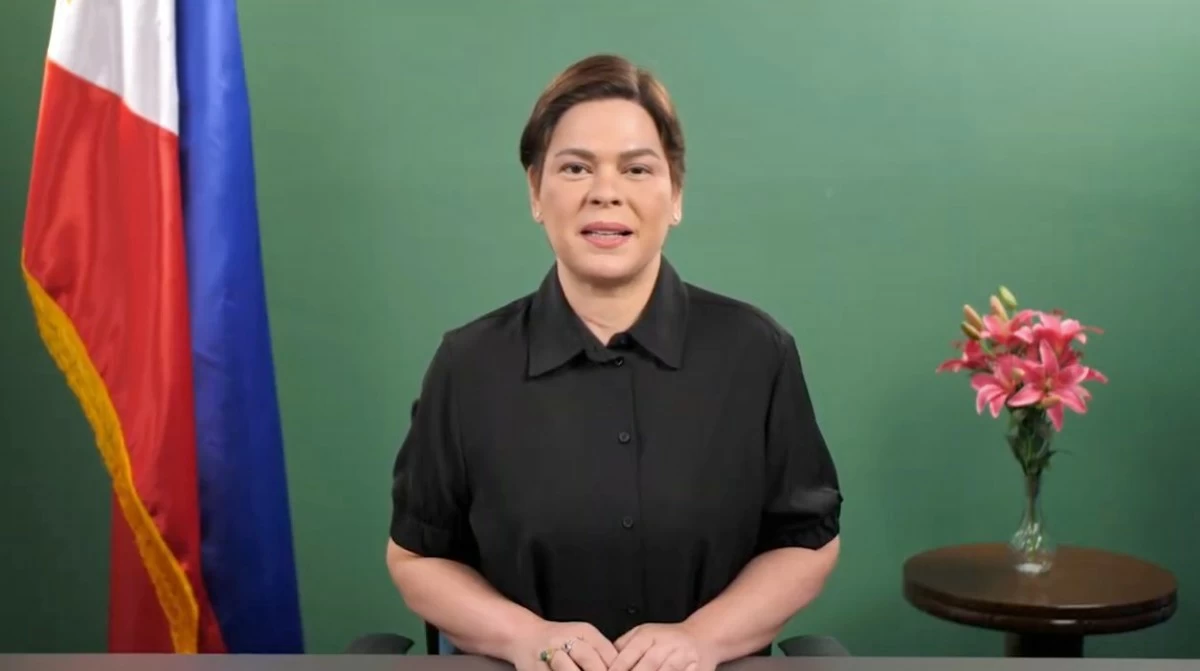
Vice President Sara Duterte called for concrete government action, justice, policy enforcement, and comprehensive rehabilitation for victims of terrorism, saying remembrance must go beyond monuments and moments of silence.
In a video message marking the International Day of Remembrance and Tribute to the Victims of Terrorism, Duterte said the Philippines knows the cost of terrorism through communities that have experienced insurgencies and violent extremism, as well as bombings, extortion, and other violence.
She, however, stressed that genuine remembrance requires an active commitment to justice, policy enforcement, and comprehensive rehabilitation.
“We cannot build a culture of remembrance on monuments and moments of silence alone,” Duterte said on Friday, Aug. 21.
She added that the government must not leave displaced families and affected communities to rebuild their futures on their own after suffering from violence.
Terrorism's impact on next generation
The Vice President said terrorism causes damage that extends beyond the immediate destruction caused by attacks, warning that it can disrupt the lives and prospects of succeeding generations.
“Hindi lamang pansamantalang pinsala ang dulot ng terorismo (Terrorism does not only cause temporary damage),” she said.
“Sinisira nito ang takbo ng buhay ng susunod na henerasyon (It destroys the course of life of the next generation),” she added.
Duterte said the threat of violence remains a reality for many Filipino families, particularly in communities that have experienced prolonged conflict.
State responsibility
According to Duterte, a state that honors terrorism victims must assume responsibility for protecting its people and rebuilding communities affected by violence.
“A state that honors its victims must take absolute responsibility for securing its borders and rebuilding what was destroyed,” she said.
She also called for greater attention to the safety of communities, the welfare of young people, and adequate support for victims as part of the country's response to terrorism.
The government's broader peace and security efforts include the implementation of the Comprehensive Agreement on the Bangsamoro, including the normalization process involving the decommissioning of former Moro Islamic Liberation Front combatants and weapons, the transformation of former rebel camps, and socioeconomic assistance to former fighters and conflict-affected communities.
The government has also continued to strengthen national security and intelligence capabilities, with Executive Secretary Ralph Recto saying the administration had increased funding for the National Security Council and the National Intelligence Coordinating Agency to address evolving threats, including violent extremism, foreign interference, cyberattacks, and disinformation.
At the regional level, the Philippines has also supported community-based approaches, peace education, and dialogue initiatives under the ASEAN framework aimed at addressing the root causes of radicalization and violent extremism.
Vice President Duterte said government efforts should ultimately translate into safer communities and meaningful assistance for people whose lives have been disrupted by terrorism.
“Ito ang tanging paraan ng pag-alala na may tunay na kahulugan (This is the only way of remembering that has true meaning),” she said.