







NHCP leads rites marking Ninoy Aquino's martyrdom at NAIA
Published Aug 21, 2026 11:19 am


At A Glance
- The National Historical Commission of the Philippines (NHCP) led the 43rd anniversary commemoration of the assassination of former Sen. Benigno "Ninoy" Aquino Jr. at NAIA Terminal 1 in Parañaque City on Aug. 21.
- NHCP Chair Regalado Trota Jose Jr. offered flowers at the site where Aquino was killed in 1983, saying his sacrifice helped awaken the nation's struggle for democracy.
- The NHCP said Aquino's death became a turning point that fueled calls for political reform and eventually the 1986 People Power Revolution. Senator Bam Aquino also sent a wreath for the commemoration.
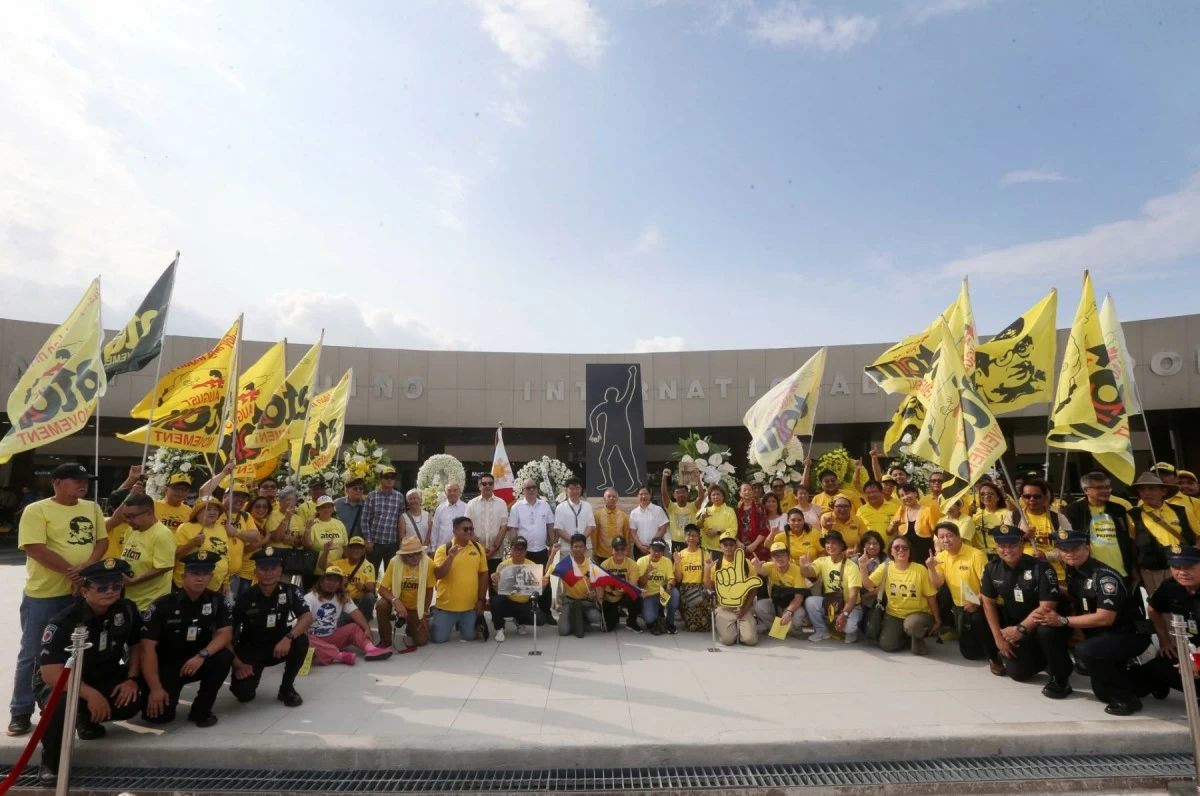
National Historical Commission of the Philippines (NHCP) Chair Regalado Trota Jose Jr. (standing in the middle wearing a yellow shirt) leads the flower offering at Terminal 1 of the Ninoy Aquino International Airport (NAIA) in Parañaque City on August 21, 2026, marking the 43rd anniversary of the death of former Senator Benigno “Ninoy” Aquino Jr. The commemoration was organized by the NHCP in partnership with the New NAIA Infrastructure Corporation, Manila International Airport Authority, Human Rights Violations Victims’ Memorial Commission, Spirit of EDSA Foundation, Bantayog ng mga Bayani Foundation, Project Gunita, August Twenty-One Movement, Chino Roces Foundation, NAMSERV, and Earthsaver. The ceremony honors Aquino’s legacy and recalls his assassination at the airport on August 21, 1983, an event that became a turning point in the country’s struggle for democracy. (Mark Balmores/MANILA BULLETIN)
The National Historical Commission of the Philippines (NHCP) led the commemoration of the 43rd anniversary of the assassination of former Senator Benigno “Ninoy” Aquino Jr. at the Ninoy Aquino International Airport Terminal 1 in Parañaque City on Friday morning, Aug. 21.
NHCP Chair Regalado Trota Jose Jr. offered flowers at the site where Aquino was gunned down on August 21, 1983.
He was joined by representatives from the New NAIA Infrastructure Corporation, Manila International Airport Authority (MIAA), Human Rights Violations Victims’ Memorial Commission, Spirit of EDSA Foundation, Bantayog ng mga Bayani Foundation, Project Gunita, August Twenty-One Movement, Chino Roces Foundation, NAMSERV, and Earthsaver.
“This simple ceremony is a reminder of the sacrifice that helped awaken the nation to the struggle for democracy,” Jose said during the rites.
Aquino, a leading critic of then President Ferdinand E. Marcos Sr., was among the first opposition figures arrested after Martial Law was declared in September 1972.
He spent eight years in detention, where he staged a 40-day hunger strike in 1975 to protest military court proceedings. In 1980, after suffering a heart attack in prison, he was allowed to leave for medical treatment abroad.
Jose recalled that Aquino returned to the Philippines in 1983 despite threats to his life.
“His decision to come home showed his commitment to the Filipino people,” he said.
Aquino was shot dead upon arrival at the airport, an event that galvanized calls for reform and drew millions to his funeral procession.
The NHCP noted that Aquino’s death became a turning point that fueled the 1986 People Power Revolution.
Republic Act No. 9256 later declared August 21 as Ninoy Aquino Day, a special non-working holiday.
Senator Bam Aquino also sent a wreath that was placed beside the monument earlier in the day.
“This annual commemoration ensures that the memory of Ninoy Aquino’s sacrifice continues to inspire future generations,” Jose added.