






Manila Bulletin
 Business
The Stock Market
How one Philippine industrial giant defying infamous '3rd generation curse'
Business
The Stock Market
How one Philippine industrial giant defying infamous '3rd generation curse'
Business
The Stock Market
How one Philippine industrial giant defying infamous '3rd generation curse'
How one Philippine industrial giant defying infamous '3rd generation curse'
D&L's multi-gen succession plan
Published Aug 21, 2026 06:59 am


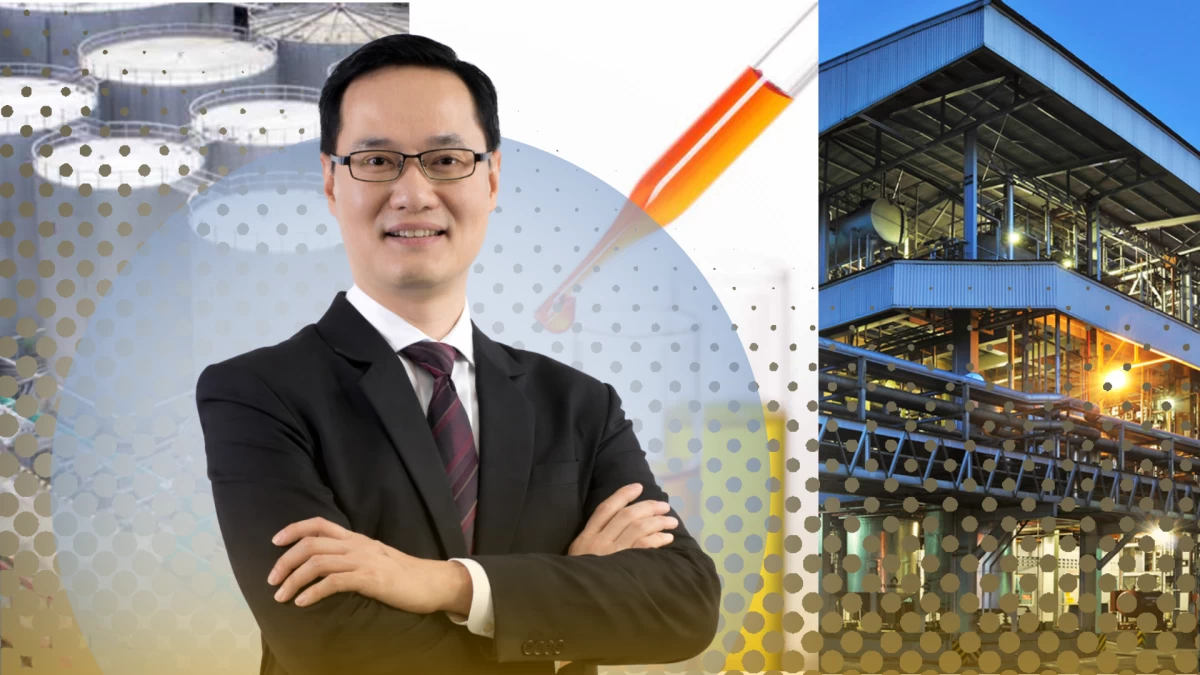
D&L Industries President and CEO Alvin D. Lao outlines the firm’s approach to avoiding the proverbial “third-generation curse” through professionalized leadership, mentorship from founding elders, and sustainable expansion at its Batangas facility.
Established in 1963 by founding brothers Dean and Leon Lao as a plastics industry supplier, D&L Industries has diversified over the last six decades to become the country's largest manufacturer of customized food ingredients, specialty raw materials for plastics, and oleochemicals for personal and home care products.
During its early years, brothers Alex, Edwin, and John joined the company as it continued to grow as one of the few homegrown producers of raw materials for the plastics industry—primarily colorants.
Today, the second generation of Laos actively manages the business, while all members of the first generation remain closely involved as mentors.
“They continue to be our greatest source of advice, wisdom, and perspective, which has made the transition both smooth and effective,” said D&L President and CEO Alvin D. Lao, a member of the second generation.
He recalled, “There's a Chinese saying that the first generation builds the business, the second generation grows it, and the third generation squanders it. We have always been mindful of that, so succession has been a deliberate, long-term process rather than a one-time event.”
Constitution for long-term succession
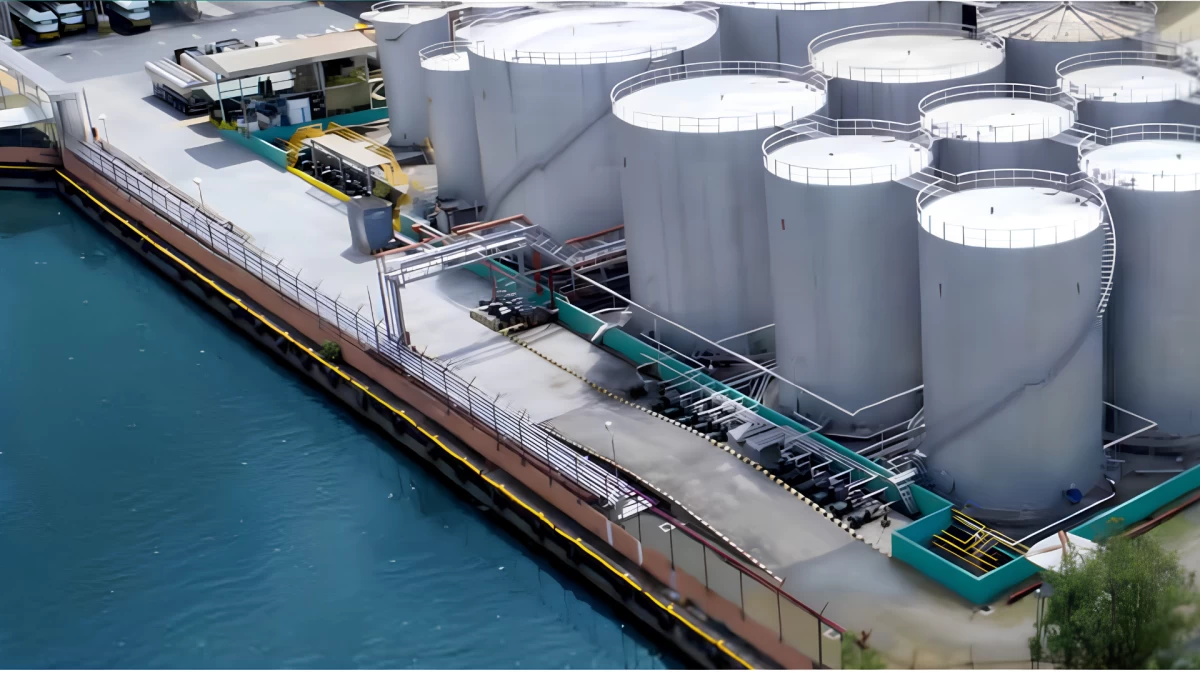
The production facility of D&L Industries, a Philippine specialty manufacturer that partners with global and local brands to develop tailored ingredients and chemical solutions.
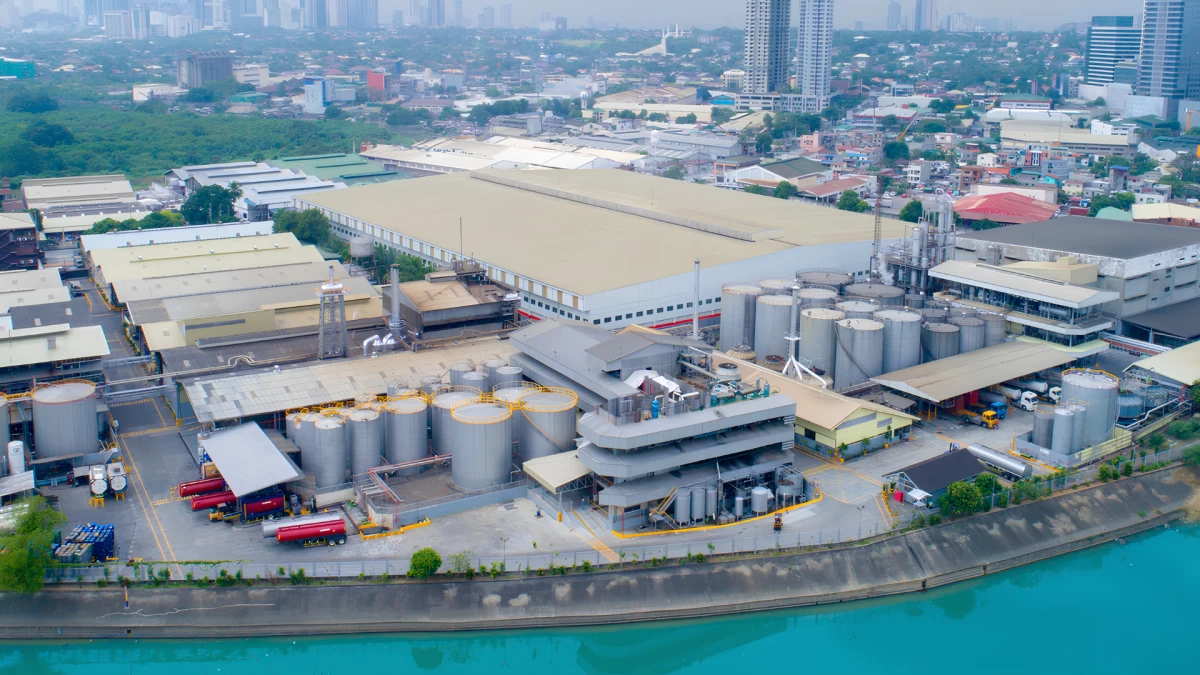
The production facility of D&L Industries, a Philippine specialty manufacturer that partners with global and local brands to develop tailored ingredients and chemical solutions.
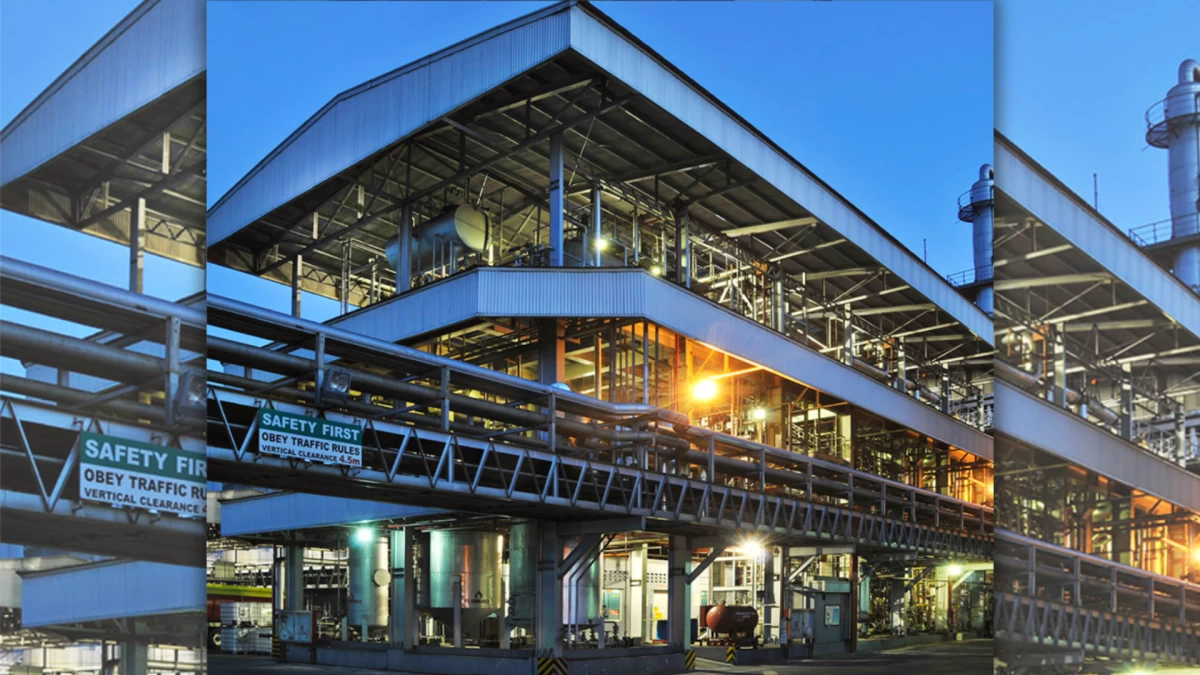
The production facility of D&L Industries, a Philippine specialty manufacturer that partners with global and local brands to develop tailored ingredients and chemical solutions.
For the Lao family, succession planning starts long before the next generation joins the business. This approach helps ensure that the guiding principles D&L was built upon continue to shape how the company operates today.
To provide clarity and prevent future conflicts, the Laos established a formal family constitution outlining the qualifications and expectations for family members who wish to join the company.
Requirements include earning a college degree and gaining work experience outside the family business. This allows prospective members to develop independently, broaden their perspectives, and avoid a sense of entitlement.
“If they do join D&L, they are expected to start from the bottom and earn their way up based on merit,” said Lao, noting that everyone in the second generation began the same way before eventually stepping into executive roles across the company's subsidiaries.
Another critical step in ensuring D&L's longevity was listing the company on the stock exchange about 14 years ago. Becoming a publicly listed company strengthened its governance, transparency, and accountability while helping professionalize the organization.
As the business expands, the Laos recognize that family members alone will not be able to fill every key leadership role—and that the best person for a position may not always be a family member. Consequently, the company has deliberately prioritized professional management.
Being a listed company also aids in attracting and retaining top talent by offering employees the opportunity to become shareholders, aligning their interests with those of the family and the public.
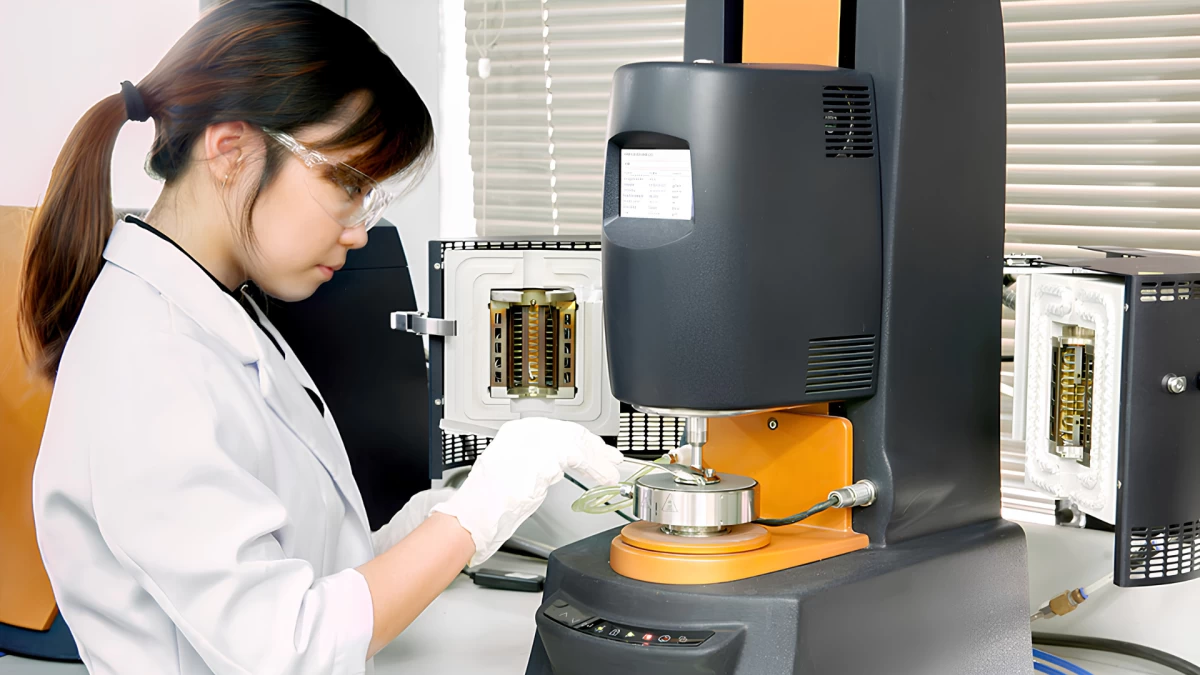
A researcher tests ingredients inside the D&L Industries' laboratory.
“Today, many key leadership roles are already held by highly capable non-family executives. We believe this combination of strong family stewardship, professional management, and good governance has positioned D&L to continue growing well beyond any single generation,” Lao explained.
He added, “Our goal is to ensure that leadership roles are earned through competence and commitment, so the company continues to be led by the best people, whether they are family members or professional managers.”
“Our mission is to excel and be a leader in every industry we serve. We believe that if we choose to compete in a market, we should strive to be the best. Another core principle is staying close to our customers. As a B2B company, our success is closely tied to theirs. We listen carefully to their needs, invest in innovation, and develop customized solutions that help them grow,” Lao said.
He continued, “Perhaps most relevant in today's environment, one lesson passed down through the generations is to view crises as opportunities rather than setbacks. Some of our biggest growth opportunities have emerged during periods of uncertainty because we have always maintained a long-term perspective and focused on finding solutions rather than dwelling on problems.”
Embedding sustainability into core operations
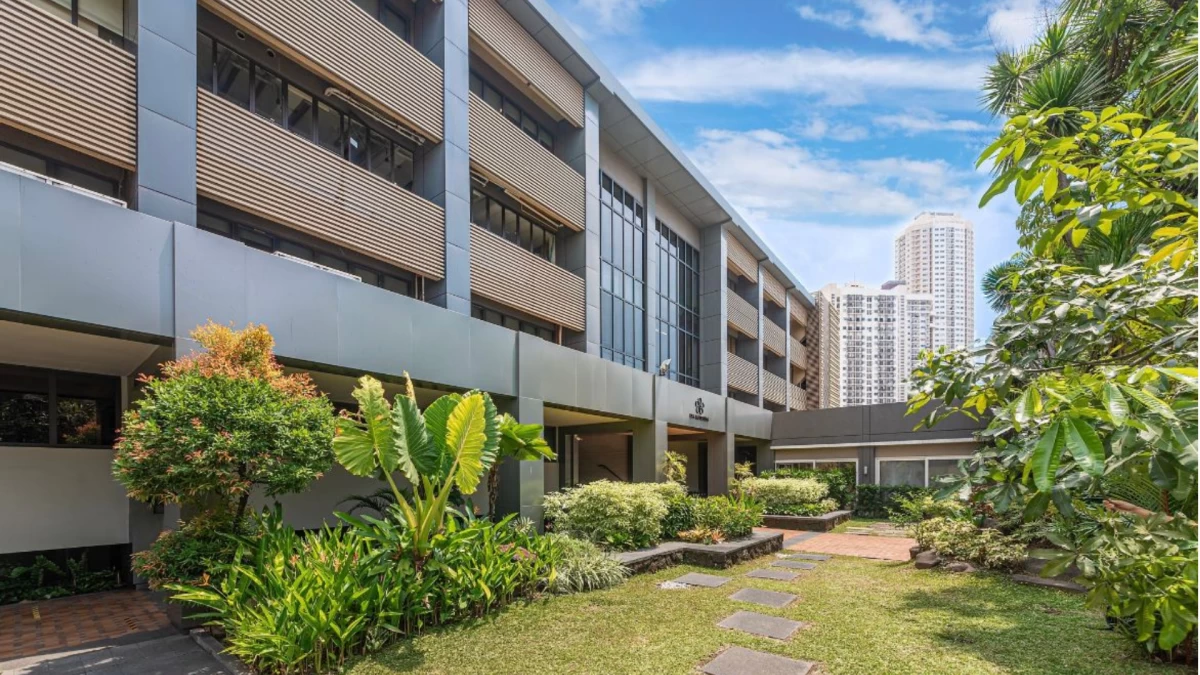
The LBL Building, home to D&L Industries’ executive offices in Quezon City, awarded LEED Gold status.
Also passed down through generations is the family’s integration of Environmental, Social, and Governance (ESG) principles into D&L's operations and long-term strategy.
“For us, ESG is not a separate initiative—it has always been embedded in our business. Even before ESG became a mainstream concept, D&L was already championing green chemistry by developing more sustainable products, such as coconut-based biodiesel, biodegradable plastics, healthier food ingredients, and oleochemicals that serve as natural alternatives to petrochemical-based ingredients,” recounted Lao.
This commitment is reflected in D&L’s vision—to be the country's leader in sustainable ingredients, materials, and solutions, as well as a major exporter across target continents—and in its purpose: Better Lives Through Sustainable Innovation.
“ESG is also a core driver of business performance. Global customers are increasingly looking for sustainable, high-performance solutions, which aligns directly with our strengths. Our access to renewable coconut-based raw materials, combined with decades of R&D and application expertise, gives us a distinct competitive advantage,” said Lao.
Rather than merely responding to sustainability trends, D&L is helping shape them by championing coconut-derived ingredients in the global market. For the company, sustainability is not just about doing the right thing—it is a driver of innovation, customer value, and long-term growth.
“We believe that business growth and social impact go hand in hand. As D&L grows, we create more jobs, support local communities, and expand opportunities for more people,” said Lao.
Beyond its commercial operations, one percent of D&L's annual net earnings is donated to The Lao Foundation, which focuses on education, values formation, and livelihood programs.
Education remains central to the Lao family. “Our grandmother was a teacher who helped support the family's education, and her example continues to inspire us today. In turn, we provide scholarships for the children of our employees and students in our host communities. We also work closely with coconut farming communities through scholarship programs, in-plant training, and employment opportunities.”
Disciplined growth, strategic capital
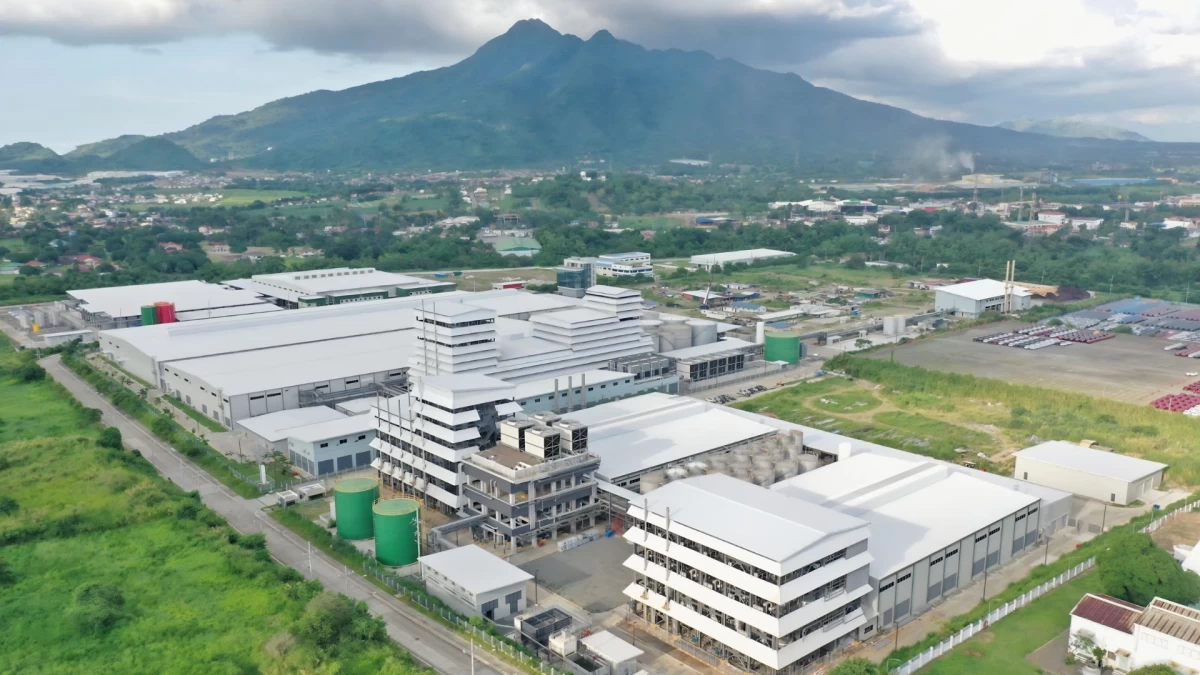
D&L’s 26-hectare, LEED Gold-certified facility in Batangas, where indigenous Philippine coconuts are transformed into high-value, sustainable ingredients for the global market.
Ultimately, corporate citizenship is integral to D&L’s business strategy—strengthening the communities it serves, building long-term relationships, and establishing a sustainable foundation for future growth.
Regarding the company’s ₱1.26 billion in unallocated capital, Lao stated that it will be deployed where it can generate the highest long-term returns for shareholders.
“We invest when we see compelling opportunities supported by strong customer demand, innovation, and a clear long-term growth trajectory. While market volatility is inevitable, we believe that disciplined, long-term investments create the greatest value over time,” said Lao.
The company currently has minimal capital expenditure requirements following the recent completion of its commercial expansion plant in Batangas, where the focus has shifted to ramping up capacity utilization. The total capital investment for the Batangas facility was roughly ten times the ₱1.26 billion figure.