






Manila Bulletin
 Lifestyle
Parenting
After the Zamboanga school shooting: What parents and educators should know about Roblox
Lifestyle
Parenting
After the Zamboanga school shooting: What parents and educators should know about Roblox
Lifestyle
Parenting
After the Zamboanga school shooting: What parents and educators should know about Roblox
After the Zamboanga school shooting: What parents and educators should know about Roblox
Published Aug 21, 2026 10:26 am


By Faye Beatrix R. Dela Torre | Co-Founder, Stellar Minds PH
In the aftermath of the tragic Zamboanga school shooting, public discussion has turned to a difficult question: What role, if any, did online platforms like Roblox play in the lead-up to the tragedy?
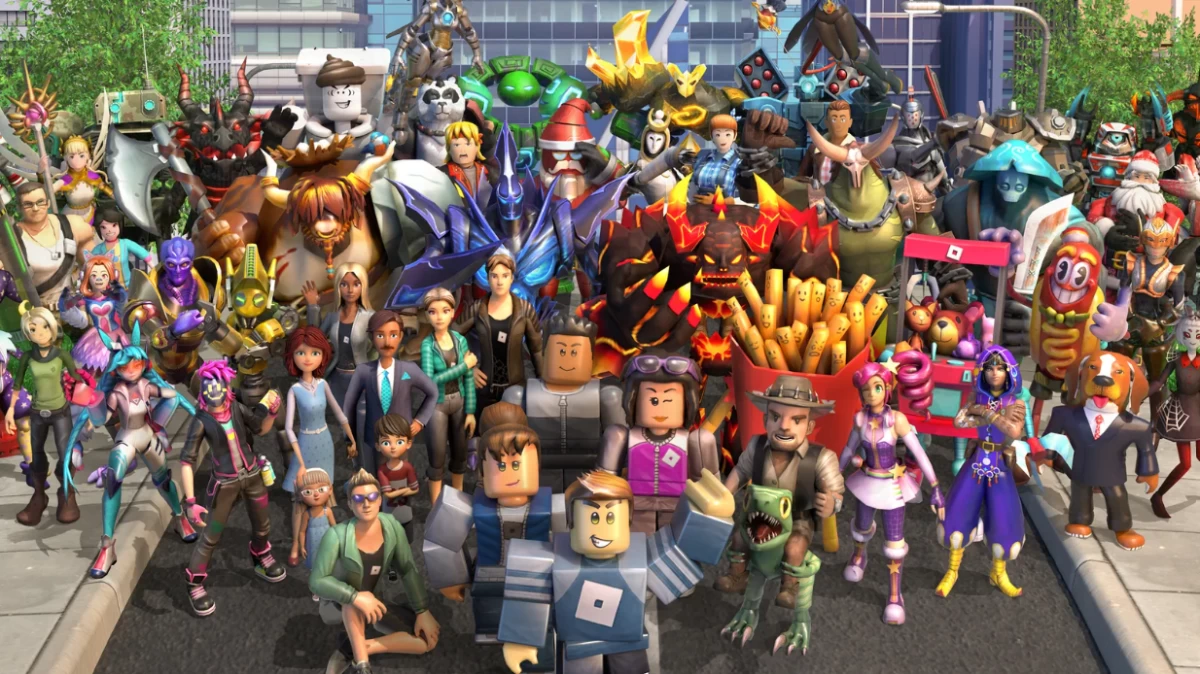
(Photo: Roblox Corporation)
It is an understandable question, but one that remains unanswered. Authorities are still in the early stages of their investigation, working to establish a clear motive, reviewing the student’s electronic devices, and examining how firearms belonging to his father were accessed.
Roblox has since entered the national conversation.
Interior Secretary Jonvic Remulla said investigators had a “great degree of confidence” that the student may have been influenced by Roblox, while also stressing that forensic examination of the student’s devices had not yet been completed. In another briefing, he added that it was still “too early to tell” what motivated the student, underscoring that the investigation remains ongoing and inconclusive.
He also made an important distinction for parents and educators: “Roblox in itself is not a dangerous game. It is the chat group that is inside it.” That distinction matters, but it should also be understood in context. It reflects an early investigative observation, not a confirmed finding about causation in this case.
The Zamboanga case raises multiple issues that all deserve attention: gun access, school safety, student well-being, online communities, and exposure to harmful content. However, officials have consistently cautioned that the investigation is still developing and that it is too early to attribute motive or influence to any single factor or platform.
If the concern is that children can be influenced or manipulated through online interaction, then focusing on a single platform is not enough. The environment may change, but the risk can reappear elsewhere.
Blocking is only one layer
There is a natural instinct to restrict platforms like Roblox, and in some contexts, schools and parents may decide that is appropriate.
But even if one platform is removed, the same dynamics can surface elsewhere in another game, messaging app, or private group chat. The medium changes, not necessarily the behavior.
This is why the more important question is not what children should be banned from, but what they are being taught to recognize. Digital risk does not disappear with restriction alone; it requires awareness and judgment that transfer across platforms.
The digital world adults do not always see
Many adults, myself included, do not always fully understand the environments children are navigating.
Roblox, for example, is not a single game but a platform of user-created experiences where children can play, build, role-play, and communicate with others. Its appeal is clear, especially for students who are drawn to interactive and imaginative spaces.
I have used that interest in the classroom to support learning, turning it into writing prompts and storytelling exercises. I once asked a reluctant writer in class: Imagine you wake up inside a Roblox world. Where are you? Who is with you? Something goes wrong. What happens next, and how will your character solve the problem?
Suddenly, a reluctant writer had a setting, characters, a problem, and a story.
But recent events, along with the ongoing and still inconclusive nature of the investigation, have also prompted reflection on whether adults sometimes warn against platforms without fully understanding how they function or why children are drawn to them.
If these spaces are shaping how children interact, communicate, and form relationships, then adults responsible for their safety need at least a working understanding of them.
Roblox is not a small space
In February, Roblox reported 144 million daily active users globally. Of those who completed age checks, a significant proportion were under 18, with many under 13.
This is not an argument for alarmism, but for attention.
For many children, online and offline life now overlap. Friendships continue in games, conflicts spill into classrooms, and interactions with strangers can occur in spaces that feel like play.
This is why meaningful parental engagement goes beyond screen-time limits. It involves understanding who children are interacting with, whether communication is open or restricted, and whether any requests for secrecy or personal information are occurring.
What Roblox safety actually requires
Roblox has introduced safeguards, including age-based communication limits, parental controls, and restrictions on chat for younger users.
These tools are important, but they are not sufficient on their own.
Technical controls cannot replace a child’s ability to recognize risk. Children still need to understand that online identities are not always what they seem, that personal information should not be shared, and that requests for secrecy or off-platform communication can be warning signs.
Equally important is whether children feel safe reporting uncomfortable experiences. If they fear punishment or losing access, they may hide interactions that adults need to know about. Effective digital safety therefore depends not only on monitoring, but on trust.
Teach the skill, not just the rule
Schools also play a critical role.
Digital citizenship should go beyond one-off reminders about cyberbullying or password safety. Students need repeated opportunities to think through realistic scenarios: verifying identity online, responding to requests for personal information, recognizing manipulation, and knowing where to seek help when something feels wrong.
These are transferable skills that apply across platforms, not just Roblox.
This is why responses to incidents like Zamboanga cannot end with calls to simply “block the game.” Regulation, platform accountability, and school safety measures all matter—but they must be paired with education.
Prohibition alone is not preparation.
A broader responsibility
How can we, as a country, strengthen digital literacy in schools so children are prepared not only for the platforms they use today, but for the ones that will come next?
Digital literacy cannot simply mean knowing how to use a device, search for information, or submit an assignment online. It must also mean knowing how to navigate digital spaces safely and critically.
Can students recognize manipulation? Can they question who is really behind an account? Can they identify when a conversation becomes inappropriate, secretive, or threatening? Do they know what personal information should remain private? Can they distinguish credible information from content designed to provoke or influence them? And, most importantly, do they know when to leave, report, and ask for help?
These are not lessons that should begin only after an incident happens.
They should be part of how we prepare children for the world they already live in. That means digital safety cannot rest solely on parents monitoring devices at home. Schools have a responsibility, too. Teachers need the knowledge and training to understand the platforms and behaviors shaping their students’ lives. Students need age-appropriate and repeated conversations about online safety, digital citizenship, media literacy, privacy, manipulation, and responsible communication.
Policymakers, meanwhile, need to understand how young people actually use these spaces before designing rules around them. We can regulate platforms. We can strengthen safeguards. We can restrict access when necessary.
But if our children leave school knowing what not to click, yet unable to recognize when someone is manipulating them online, have we truly prepared them?
Parents and educators do not need to become experts in every platform. But they do need enough understanding to guide children through environments that are already part of their daily lives.
The platform will change. The responsibility to educate them should not. Blocking one platform may close one door. Digital literacy is what prepares a child for whatever door opens next.