






Manila Bulletin
 Lifestyle
Travel
A closer look at Romblon's beaches, heritage sites, underwater wonders, and laid-back island escapes
Lifestyle
Travel
A closer look at Romblon's beaches, heritage sites, underwater wonders, and laid-back island escapes
Lifestyle
Travel
A closer look at Romblon's beaches, heritage sites, underwater wonders, and laid-back island escapes
A closer look at Romblon's beaches, heritage sites, underwater wonders, and laid-back island escapes
Published Aug 21, 2026 11:04 am


By NANCY MARIE ANDAM
The Philippines is home to no shortage of world-famous beach destinations. From powdery white sands to crystal-clear waters, it's easy to keep returning to the same familiar islands year after year.
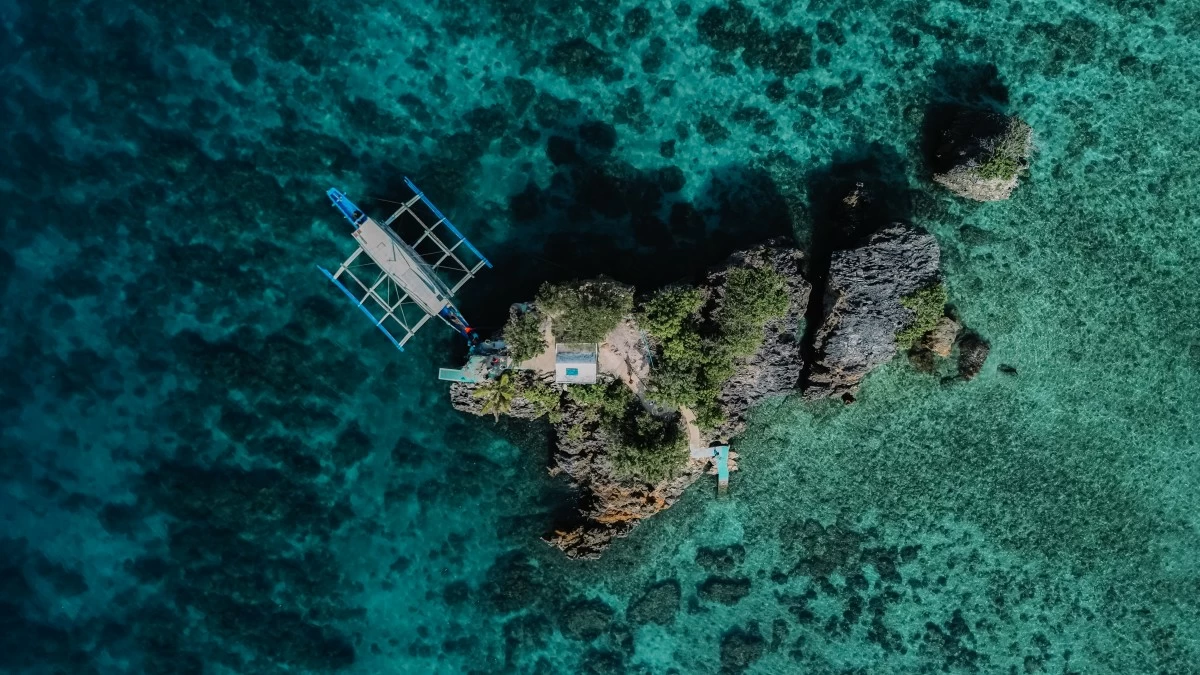
Cobrador Island (Photos: DOT-MIMAROPA)
But some of the country's best escapes are the ones that fly under the radar. Tucked in the heart of the archipelago, Romblon is one of those places. Often overlooked by travelers, the province is known for its pristine beaches, hidden coves, and rich marble industry, which has long been part of its identity.
Through a trip led by the Department of Tourism-MIMAROPA, Manila Bulletin Lifestyle was able to explore the historic sites and natural beauty of Romblon. If you're ready to venture beyond the usual beach itinerary, here are some of the must-visit spots that make it worth the trip.
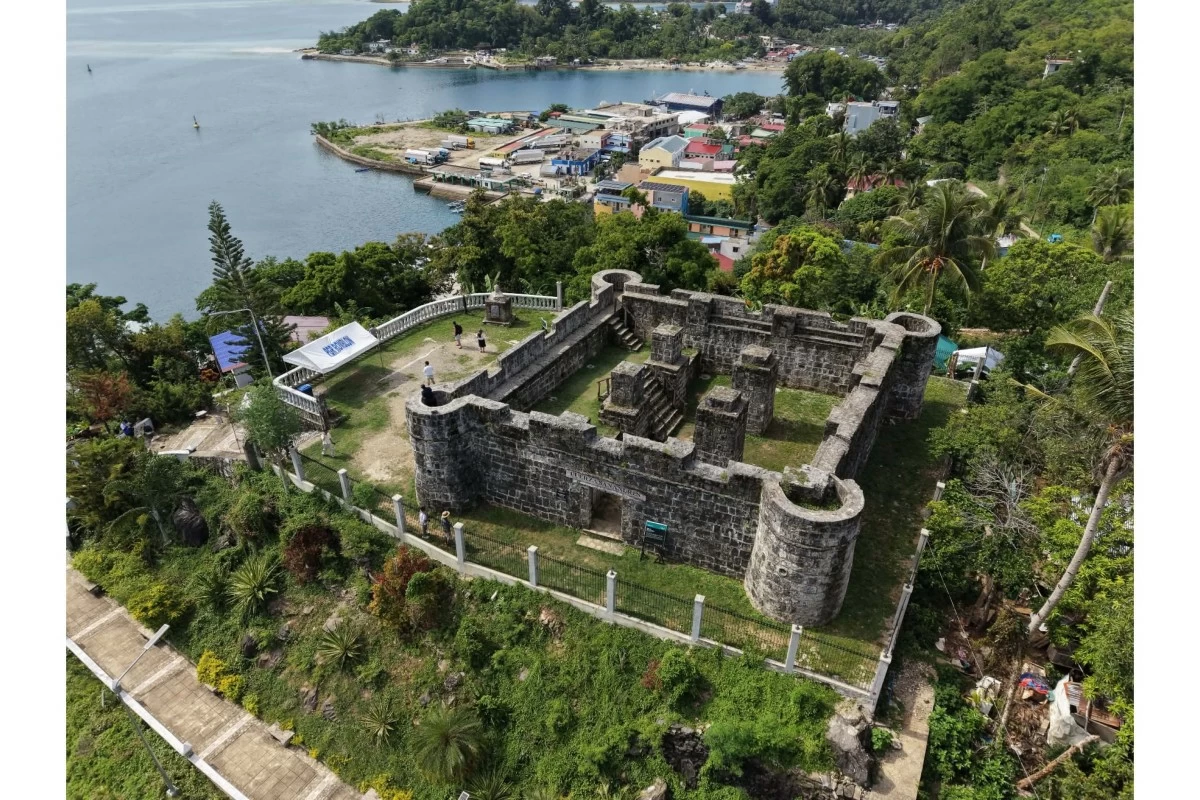
Fuerza San Andres
Fuerza San Andres
Fort San Andres Rd, Romblon, Romblon
One of the first places we visited in Romblon was Fuerza San Andres, which sits atop San Antonio Hill overlooking the town and its natural harbor. Built by the Spaniards in 1644 to defend the island against Dutch marauders and Muslim raiders, the fort remains one of the province's most important historical landmarks.
It's also one of the perfect places to take in views of the Romblon port and nearby islands. It is best to visit around 4 p.m. to witness the sunset and avoid the heat during the day.
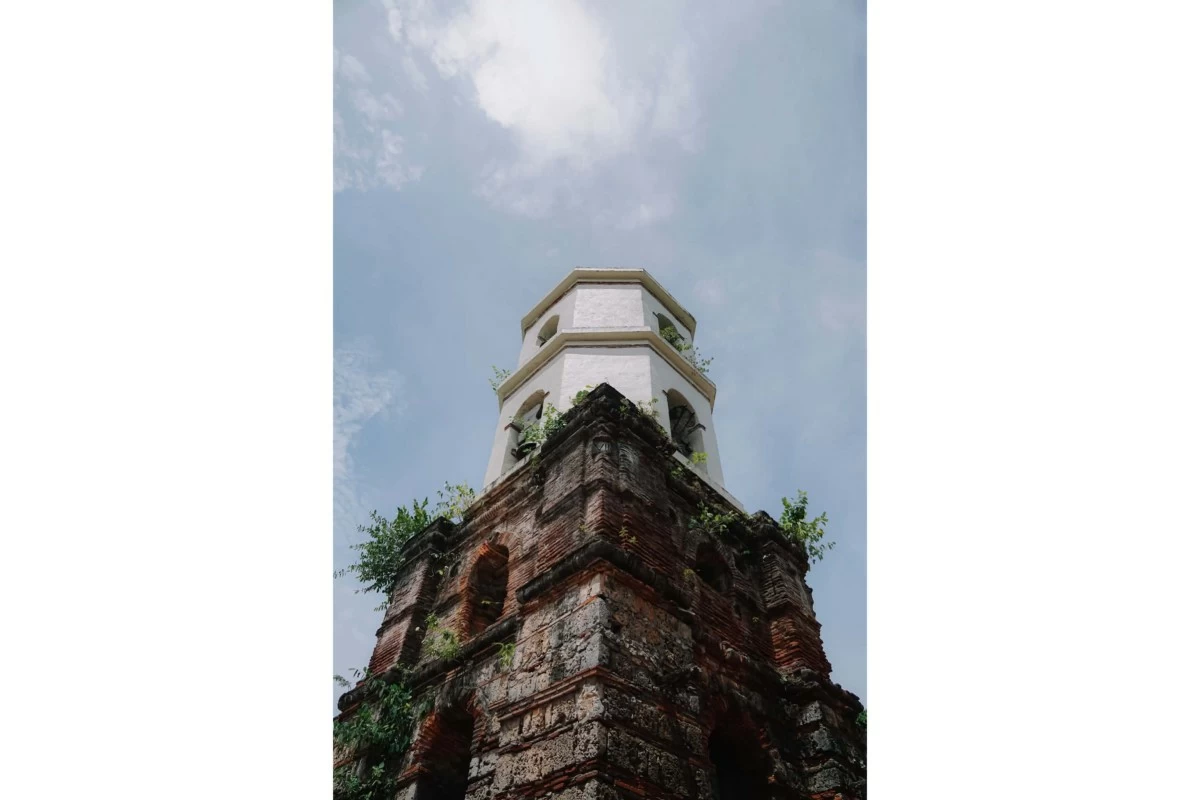
Saint Joseph Cathedral Parish
Saint Joseph Cathedral Parish
Rizal St., Poblacion, Romblon, Romblon
Beyond its marble industry, Romblon is also home to historic landmarks like the Romblon Cathedral. Officially known as the Saint Joseph Cathedral Parish, it is the oldest Roman Catholic church in the province.
During our visit, we learned that it houses a replica of the Santo Niño de Cebu, enshrined in 1728. Inside, the church's marble details are hard to miss, reflecting the province's long-standing connection to the industry. Its belfry, which once served as a watchtower against incoming invaders, is also a reminder of the church's role in the town's history.
Bonbon Beach
Romblon Island, Romblon
Bonbon Beach is just 3 to 5 km from the town proper and ferry port, and it's easy to see why it earned a spot on The World's 50 Best Beaches list. Its clear waters and long sandbar make it a great place to slow down and take in the scenery. We found that visiting in the late afternoon before sunset was the best time to enjoy a peaceful walk along the sandbar.
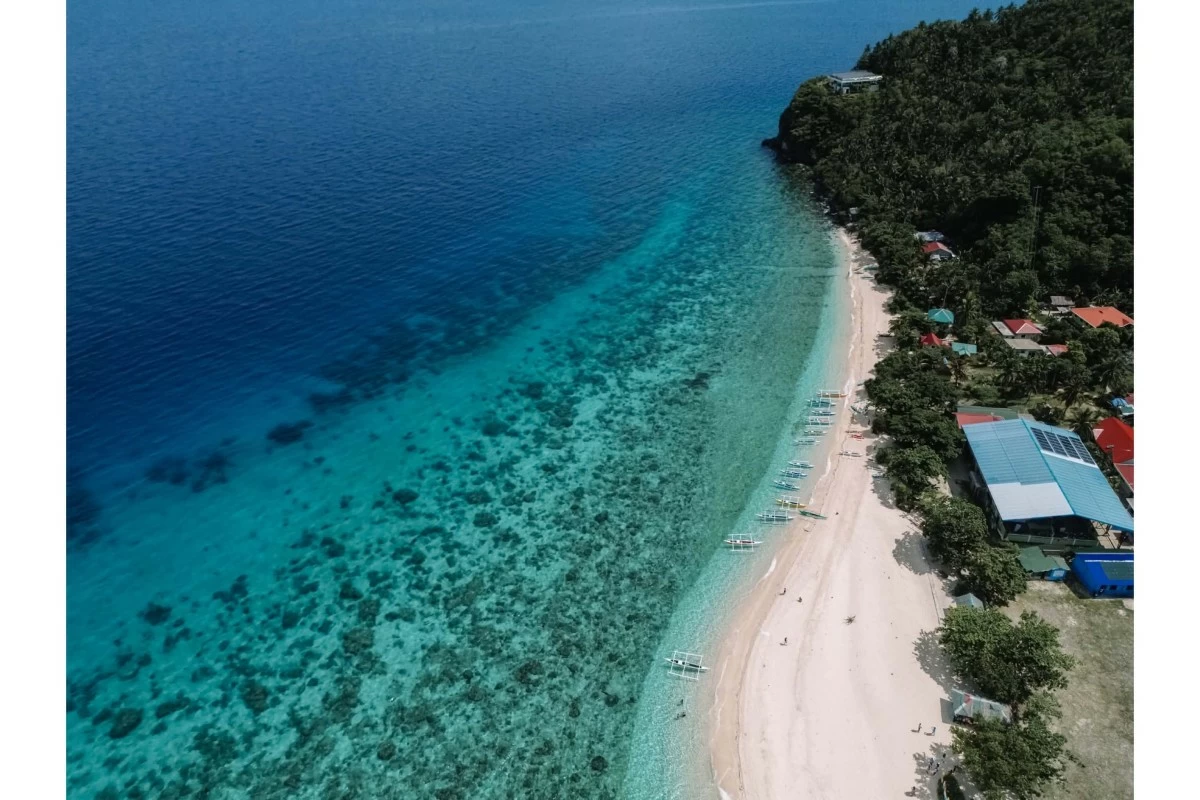
Cobrador Island
Cobrador Island
Cobrador Island was easily our favorite beach in Romblon. After a 40-minute boat ride from the main port, we were welcomed by one of the bluest oceans we’ve ever seen. The island is known for its crushed-coral white sand beaches, but what stood out to me most was how calm and peaceful it felt.
Just off the coast, we also visited Takot Reef, where we got to cliff jump and snorkel. If you're lucky, you might even spot sea turtles in the area. Visitors are charged an environmental fee of around ₱20 to ₱30. There are also basic cottages for around ₱300 where you can leave your things.
If you're going island hopping, we would recommend bringing small bills to make paying local fees easier. In our case, we had Papagabs Travel and Tours, which covered the environmental fees needed in our island-hopping activity.
Biaringan Islet
Biaringan Islet, located at the northeastern end of Tablas Island, was another stop during our trip. The islet has rocky coastlines and clear blue waters, with views of nearby areas including Romblon Island. We also learned that it used to have a zipline, but it has remained closed since the pandemic. Even without it, the islet was a nice place to take in the horizon and enjoy the quieter side of the province.
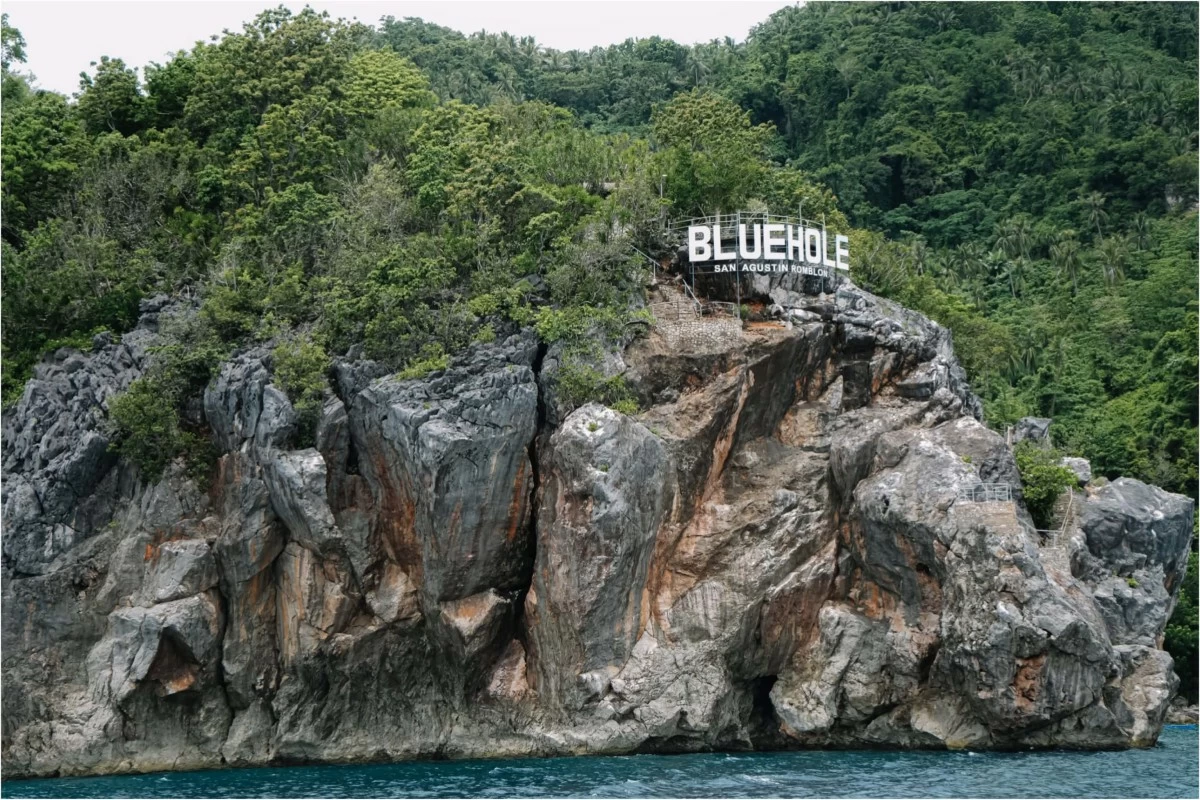
San Agustin's Blue Hole
Cawayan Blue Hole
Barangay Cawayan, San Agustin, Tablas Island
If you're into freediving or scuba diving, the Blue Hole is a must-visit in Tablas Island. You can reach the site by boat, where you're greeted by deep blue water surrounded by rocky cliffs. Beneath the surface, the site opens into a vertical drop lined with coral and sea fans.
The entrance is around 5 to 7 meters deep and reaches about 27 to 30 meters on a sloping sandy floor, making it more suitable for experienced divers who are comfortable with deeper waters and possible currents. Above the site stands Gorda Point Lighthouse, a remnant of the American colonial period. We climbed at least 300 steps to reach the top, but the view made the effort worth it, with a wide stretch of ocean and the Blue Hole visible below.

The author (far right) with other travelers
Lapus-Lapus Beach
Barangay Talisay, Calatrava, Tablas Island
Lapus-Lapus Beach, locally known as “Little Palawan,” is one of those spots in Tablas Island that feels worth the journey. From Calatrava Port, we took a 30-minute pump boat ride to Barangay Talisay, where the beach’s golden sand and shallow clear waters welcomed us. The rock formations and corals around the cove reminded us of Palawan, but the quiet surroundings gave it a more laid-back feel.
There are no restaurants on the beach, so we would recommend bringing your own food and drinks. You can also rent a cottage for around ₱200. The entrance fee is around ₱25 per person, making it a simple and affordable stop if you’re exploring Tablas Island.
Binucot Beach and Bel-at Point
Barangay Bunsoran, Ferrol, Tablas Island
With its calm shoreline and open view of the sea, Binucot Beach offers a quiet stop in Ferrol. It is roughly a 20-minute drive or tricycle ride south from Odiongan Port. We spent some time by the water, where the clear shallows made it easy to spot coral patches and small marine life while swimming or snorkeling.
A short distance from the beach, you'll find Bel-at Point, a rocky cove with a wooden boardwalk that stretches over the water. The area is especially worth visiting in the late afternoon, when the setting sun adds another reason to stay a little longer. Public access to Binucot Beach is generally free, although some resorts may charge for accommodation or day-use amenities.
Looc Fish Sanctuary
Looc, Tablas Island
A 48-hectare protected area in the middle of Looc Bay. Accessible by boat, the sanctuary has an entrance fee of around ₱160 to ₱200. At its floating wooden pontoon, you could look through the viewing deck and see schools of colorful reef fish and giant clams in the clear waters below.
We highly suggest trying the fish feeding, especially if you're lucky enough to have more fish gather around you. Don't know how to swim? Life vests are provided, and snorkeling gear is also available for rent if you want to explore the marine life up close.
Santa Fe Beaches
Santa Fe, known as the “Beach Capital of Romblon,” was one of the areas you can explore on the southern tip of Tablas Island. It has popular beach spots, including Agmanic, Balisa, and Kaburihan, each offering clear waters, white sand, and a quiet island atmosphere.
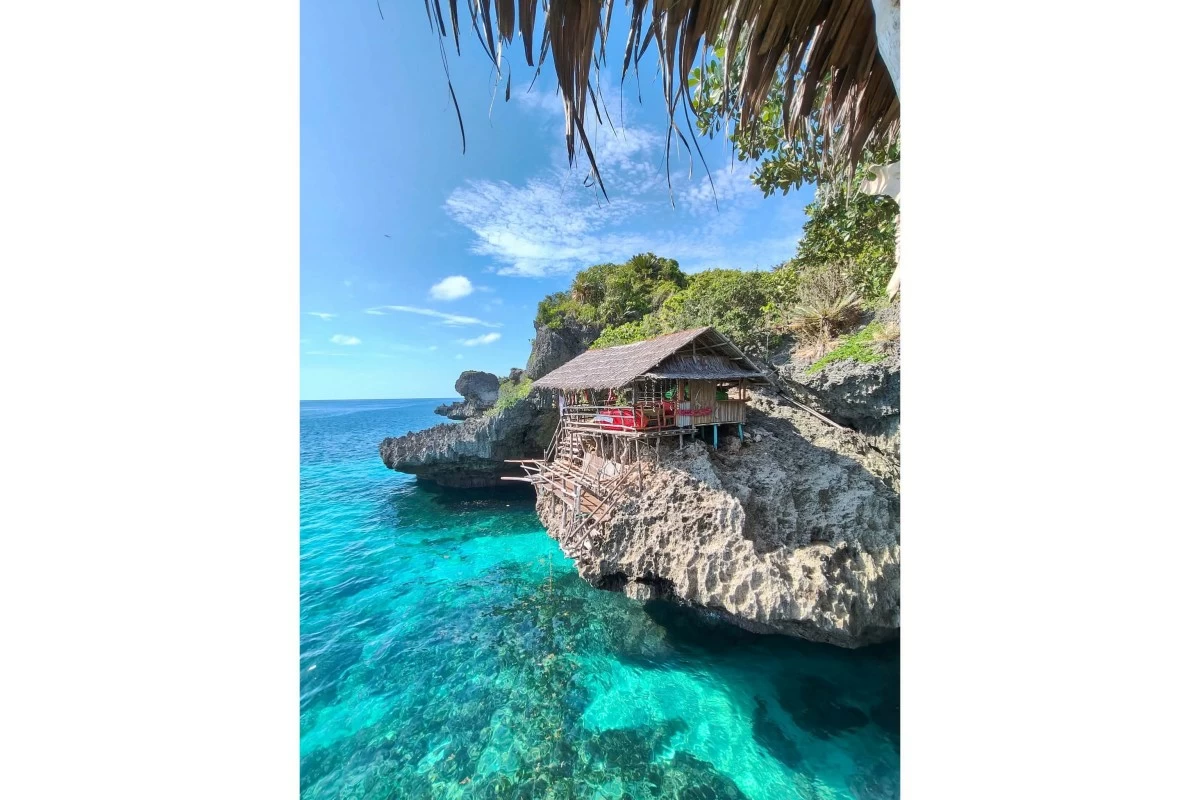
Cathedral Cave in Carabao Island
Carabao Island
Just a boat ride away from Boracay, Carabao Island offers a quieter escape with plenty to explore. If you're planning a visit, add Said Beach for a peaceful walk along its white sand and turquoise waters, preferably in the morning or late afternoon.
For sunset, head to Tagaytay Viewpoint, where you can enjoy views of Boracay and nearby islands from the hilltop tree house. Don't miss Cathedral Cave either, where a 10-minute trek leads to a hidden lagoon with turquoise water. We took a quick dip, which made the trek worth it. If you're feeling adventurous, there's also a cliff-jumping spot nearby.
Romblon is the kind of place we suggest taking your time with. Beyond the beaches, there are caves to explore, reefs to discover, historic sites to visit, and quiet corners that make the journey feel worth it.
From its natural wonders to the communities and traditions that shape the province, there's more to it than a quick island escape. If you're looking for a destination beyond the usual island stops, put Romblon on your list and let the province surprise you along the way.