







Creating a safer and inclusive digital innovation
iGnite: GCash Innovation Summit 2026 spotlights how regulatory institutions drive responsible innovation
By Jemimah Mapa
Published Aug 19, 2026 10:58 am


At A Glance
- iGnite: The GCash Innovation Summit 2026 brought together industry leaders, regulators, and public officials to chart a path toward action on building a safer, more inclusive digital economy, focusing on cross-industry partnerships, responsible AI, and scalable trust for every Filipino.
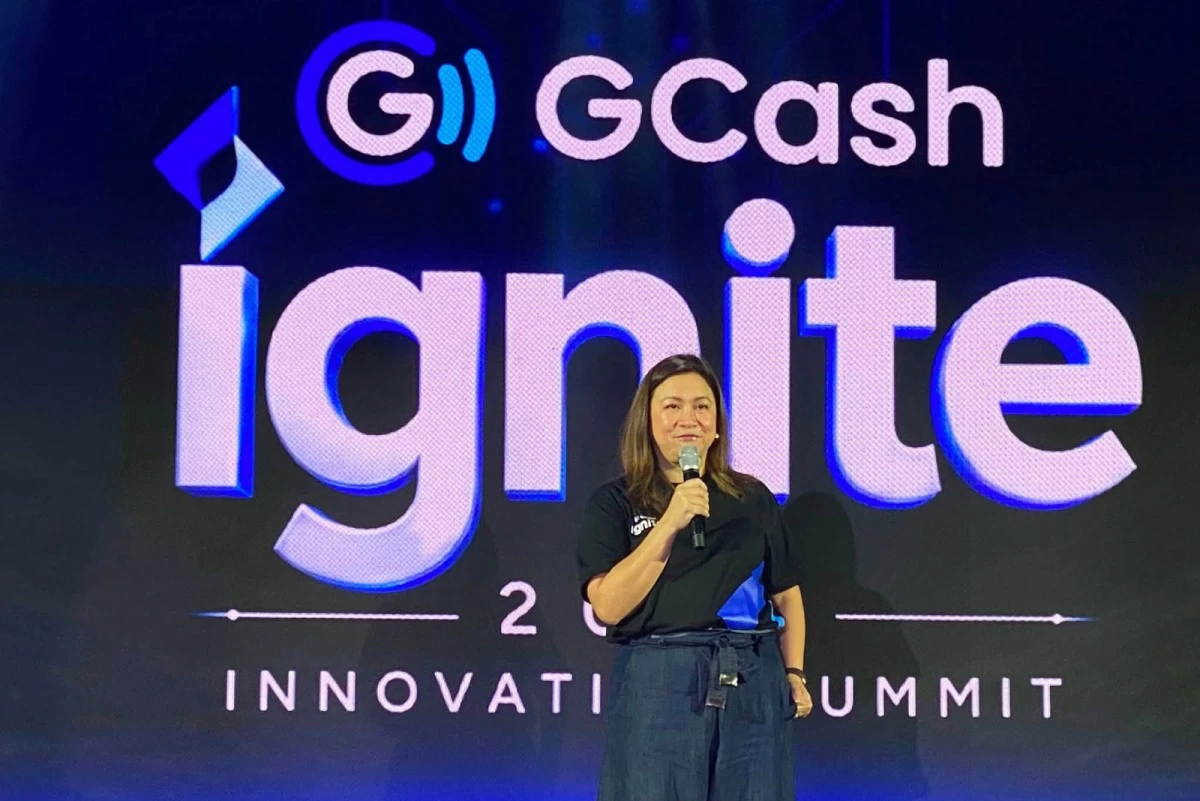
Mynt President and CEO Martha Sazon delivers her opening remarks.
Digital bank transfers, e-wallets, QR payments, and AI-driven public services have transformed the Philippines. Yet, this rapid digital evolution brings a new wave of complex challenges.
To address these issues, iGnite: The GCash Innovation Summit 2026 brought together industry leaders, regulators, and public officials to chart a path forward. Marking its fifth year, the summit drove action on building a safer, more inclusive digital economy, focusing on cross-industry partnerships, responsible AI, and scalable trust for every Filipino.
Balancing regulation and innovation
Beyond supervision and making sure that technological advancements remain safe for Filipinos, the public sector also plays a key role in enabling the balance between innovation and protecting the public interest. On balancing regulation and innovation, BSP General Counsel Roberto Figueroa, DICT former Undersecretary Monchito Ibrahim, and NPC Deputy Privacy Commissioner Atty. Juan Paolo Fajardo discussed the importance of preserving the public’s trust in terms of security and safety against fraud, cyberthreats, and the rapid adoption of AI. Despite having different mandates from their offices, they have agreed on one thing — the main priority is to build the people’s trust, keep their trust, and continue innovating later on.

National Innovation Council Executive Member Morchito Ibrahim, BSP Chief Legal Counsel Bobby Figueroa, and National Privacy Commission Deputy Commissioner John Fajardo join the Track 4: Reg-Tech Revolution panel discussion.
BSP General Counsel Figueroa shared that BSP’s approach to AI adoption in the financial sector starts with its issued guidelines for financial institutions and regulated entities, wherein the principles-based guidelines help institutions understand how to use AI without imposing fines. For DICT, former Usec. Ibrahim mentioned the significance of fully understanding what AI is actually about. This way, not only can we achieve AI fluency but also have a better understanding of its pros and cons, allowing the government to craft the right policies and govern them properly.
Meanwhile, NPC Deputy Privacy Commissioner Fajardo highlighted that the NPC balances two things — technology enablement balanced with data subject empowerment. He highlighted that while the commission promoted new technologies and security measures, technology should always be developed in alignment with regulations that allow it.
Role of technology in government services
Technology has changed not only the way people live and work, but it has also reshaped what people expect from the government and the services that it provides. With information and processes now at one’s fingertips, people look forward to having faster, efficient, and accessible digital solutions. DTI OIC Assistant Director Karl Lyndon Pacolor and SEC Assistant Director for PhiliFintech Innovation Office Atty. Paolo Montano Ong shared how their respective institutions deliver on the needs in adopting AI-enabled solutions.
The SEC’s Fintech office primarily engages with entrepreneurs and potential fintech companies that would want to operate in the Philippines. Today, the office has implemented several policies to reduce the gap between innovation and regulation, including the SEC Regulatory Sandbox, where fintech firms can test innovative solutions in a live setting while ensuring appropriate regulatory oversight and investor protection.
Meanwhile, the DTI, through the Bureau of Policy Research and Innovation, focuses on implementing the different innovation initiatives, as well as policies and programs related to TatakPinoy, AI, and innovative startup initiatives. Their efforts also include introducing new technologies and developing technologies that can be integrated for MSMEs.
Empowering the digital Filipino workforce
Financial inclusivity and digitalization not only include developments in AI and technology but also equipping Filipinos with the knowledge and awareness needed to protect themselves from scams, fraud, and other digital threats. The discussion between DepEd Assistant Secretary Delfin Villafuerte, EDCOM II Chief Legislative Officer Atty. Simoun Salinas, and TESDA Information and Communications Technology Office (ICTO) Director Florante Galura highlighted how digital advancements are reshaping education and preparing students with the skills needed to thrive in meaningful and productive careers.
These government agencies are responsible for providing students with the appropriate and accessible learning opportunities. More than that, the discussion emphasized that their agencies work together to ensure that Filipinos have a real pathway for economic progress, allowing them to have options whether to continue pursuing a higher degree or take on a suitable job.
The speakers also highlighted that while AI and other digital tools can help in future-proofing careers, critical thinking remains essential to develop a deeper understanding beyond generated outputs. Building AI-resilient skills also requires creativity, leadership, and people management, as human judgment and decision-making will continue to play an important role.

Emphasizing cybersecurity as the foundation of digital trust, GCash CISO Miguel Geronilla addresses delegates during the GSafe: Vanguards of Trust summit.
The GCash iGnite conference, along with its inaugural cybersecurity and anti-fraud summit, GSafe: The Vanguards of Trust, also reminded institutions of their responsibility to ensure that responsible innovation and consumer safety remain top priorities.
These conversations lead back to what matters the most — the everyday lives of the Filipinos. The GCash Innovation Summit serves as an avenue for private institutions and public agencies to collaborate on how technological advancements can address everyday challenges and create meaningful impact. As technology becomes more integrated into everyday lives, innovation must continue to improve Filipinos’ quality of life and their safety.