






Manila Bulletin
 Environment and Sustainability
Clean water and waste management are key to fighting dengue
Environment and Sustainability
Clean water and waste management are key to fighting dengue
Environment and Sustainability
Clean water and waste management are key to fighting dengue
Clean water and waste management are key to fighting dengue
Published Aug 19, 2026 01:22 pm


Dengue is hyper-endemic in the Philippines. The World Health Organization (WHO) has observed cyclical increases in dengue cases, with significant outbreaks occurring every three to five years.
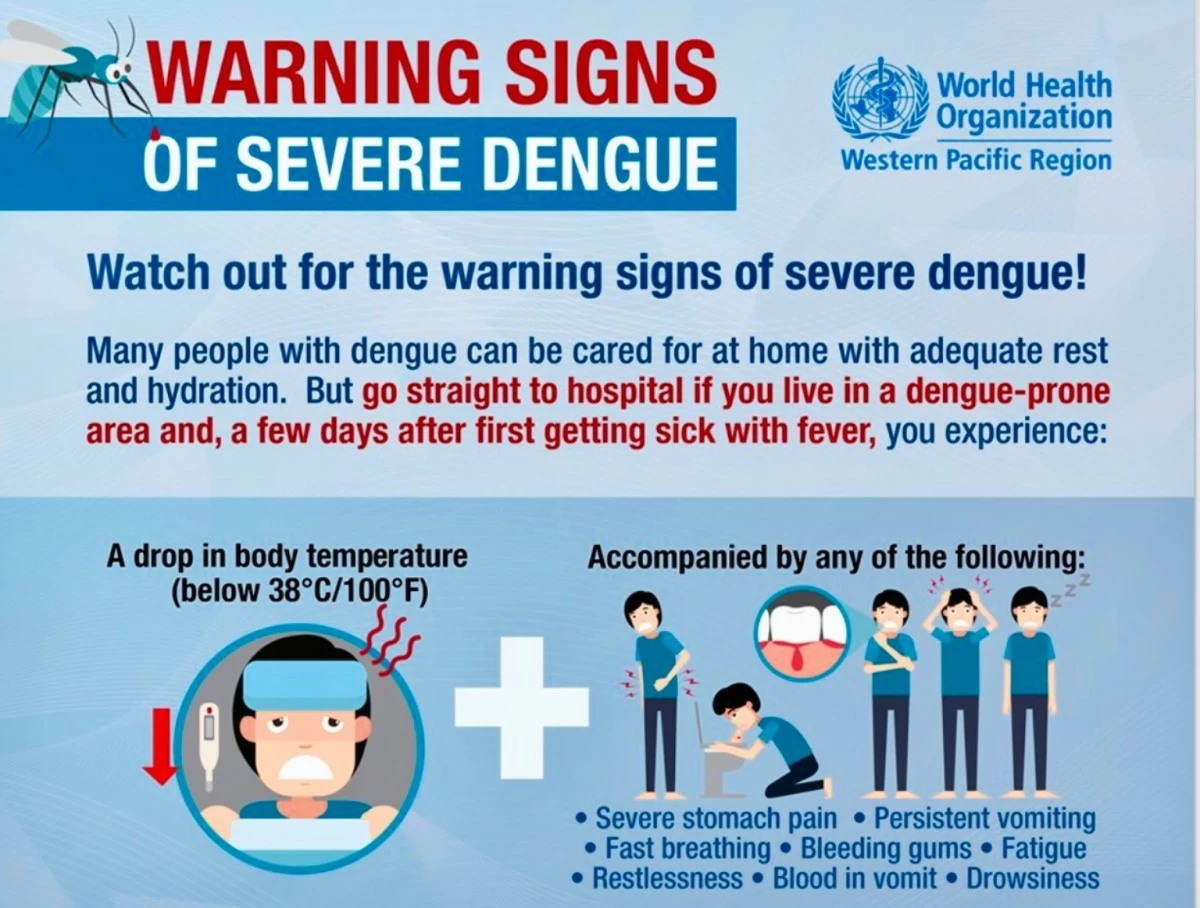
The World Health Organization's warning signs for dengue.
So, what does dengue have to do with the environment? Water, discarded plastic bottles, and poorly managed surroundings are part of the answer.
Water serves a dual purpose in the context of dengue. Stagnant water facilitates mosquito reproduction, while adequate hydration is essential for patients recovering from the disease.
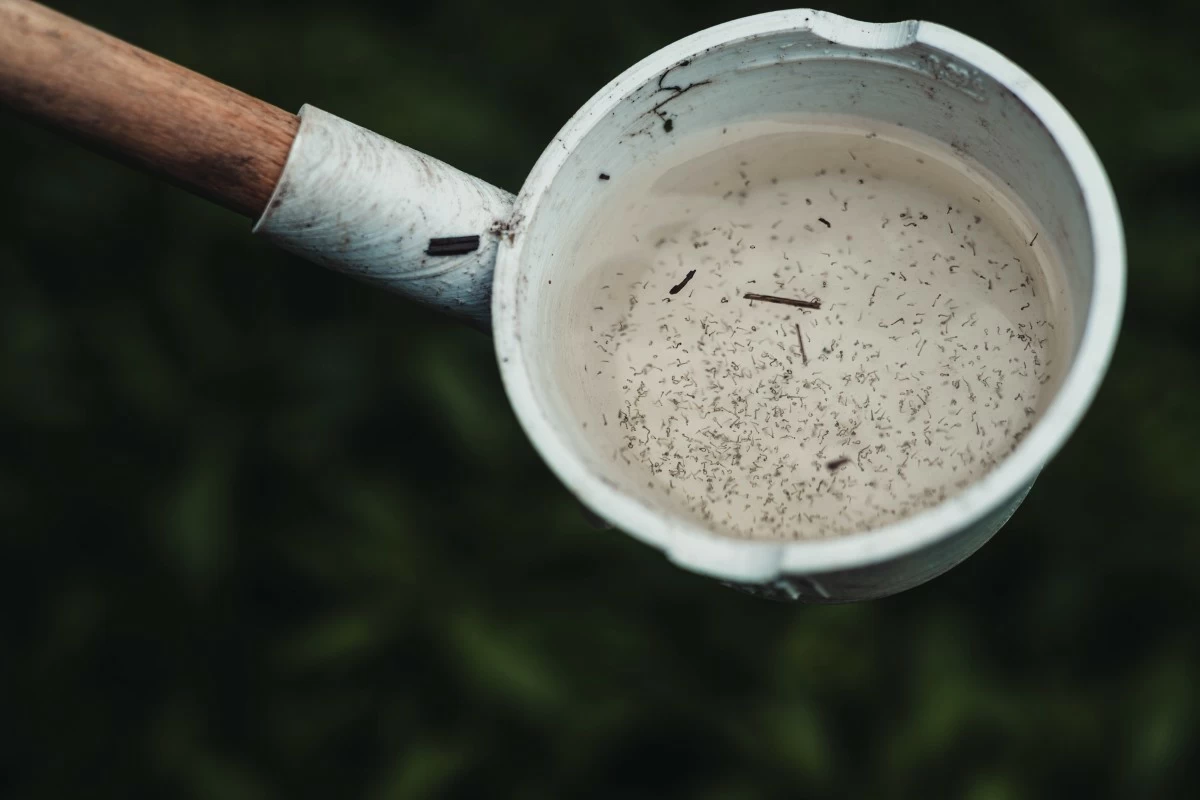
According to the We Are Water Foundation, dengue is spread by Aedes mosquitoes, which deposit their eggs in clean, stagnant water found in artificial containers such as buckets, flower pots, and discarded items that collect rainwater. These breeding sites can be found around homes and communities.
Poor water storage practices can increase the number of mosquito breeding sites and, consequently, the risk of dengue outbreaks.
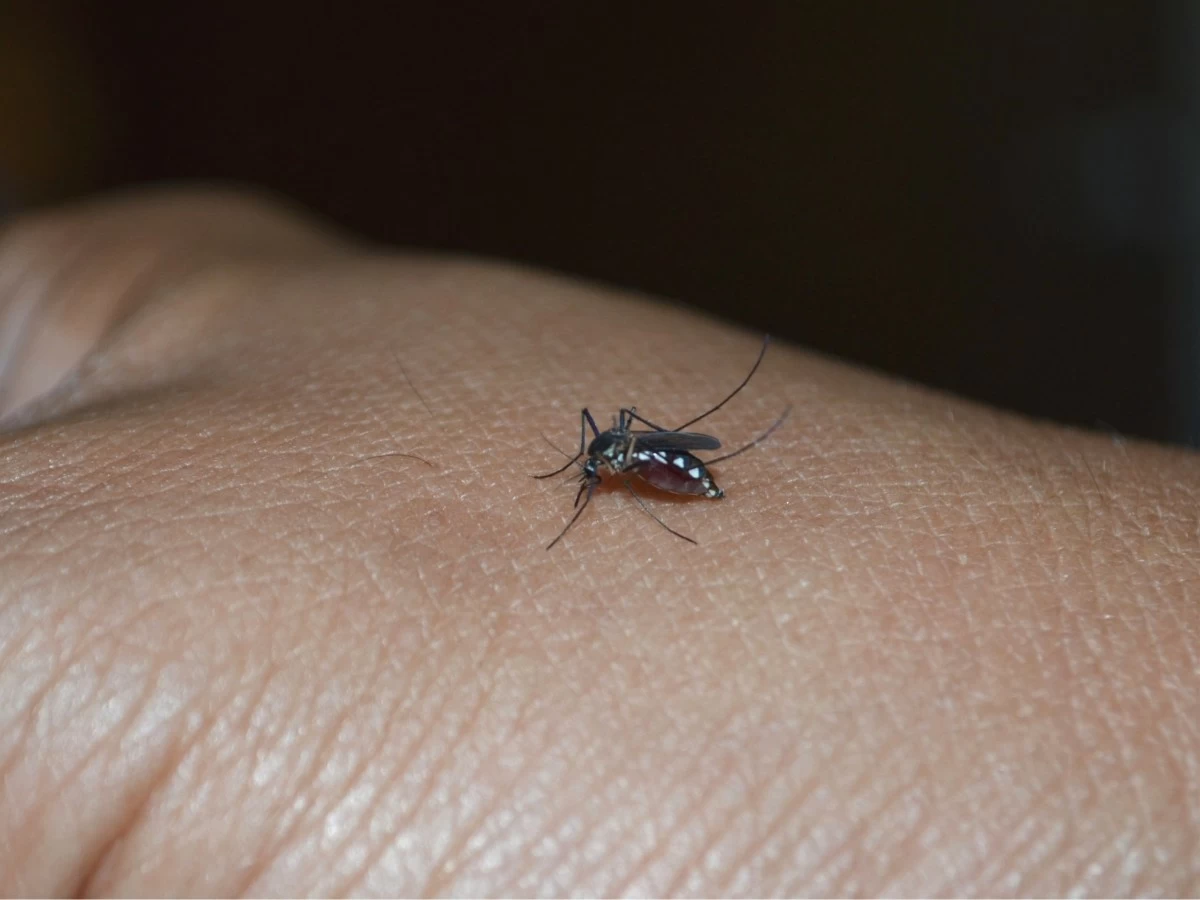
An Aedes mosquito, which can transmit dengue, rests on a surface. (Photo by Henrylito Tacio)
Before the rainy season, the country also experiences intense heat. Many Filipinos store water in containers such as pails and barrels. When these containers are left uncovered and are not regularly emptied and cleaned, they can become breeding grounds for mosquitoes that transmit dengue.
Managing outdoor water in shared spaces and routinely emptying or covering containers are important preventive measures to reduce mosquito populations.
The same concern applies to discarded plastic waste. Plastic bottles, bags, sachets, food containers and wrappers can collect rainwater and become artificial catchments for stagnant water.
Poorly managed plastic waste is particularly hazardous because even small containers can retain enough water for mosquito breeding. Discarded bottle caps and other small objects can also serve as breeding sites.
Aedes mosquitoes are highly adapted to human environments and tend to stay close to people. The accumulation of plastic waste around residences, roadsides, and urban areas therefore creates numerous small water reservoirs where mosquitoes can breed.
Poor waste management can also affect drainage systems. Discarded plastics can clog gutters and municipal drainage, resulting in localized flooding and stagnant water. This can create additional breeding sites throughout communities, particularly during the rainy season.
The eggs of Aedes mosquitoes can also survive for months under dry conditions. When breeding sites are filled with water again, some eggs can hatch, allowing the mosquito population to increase.
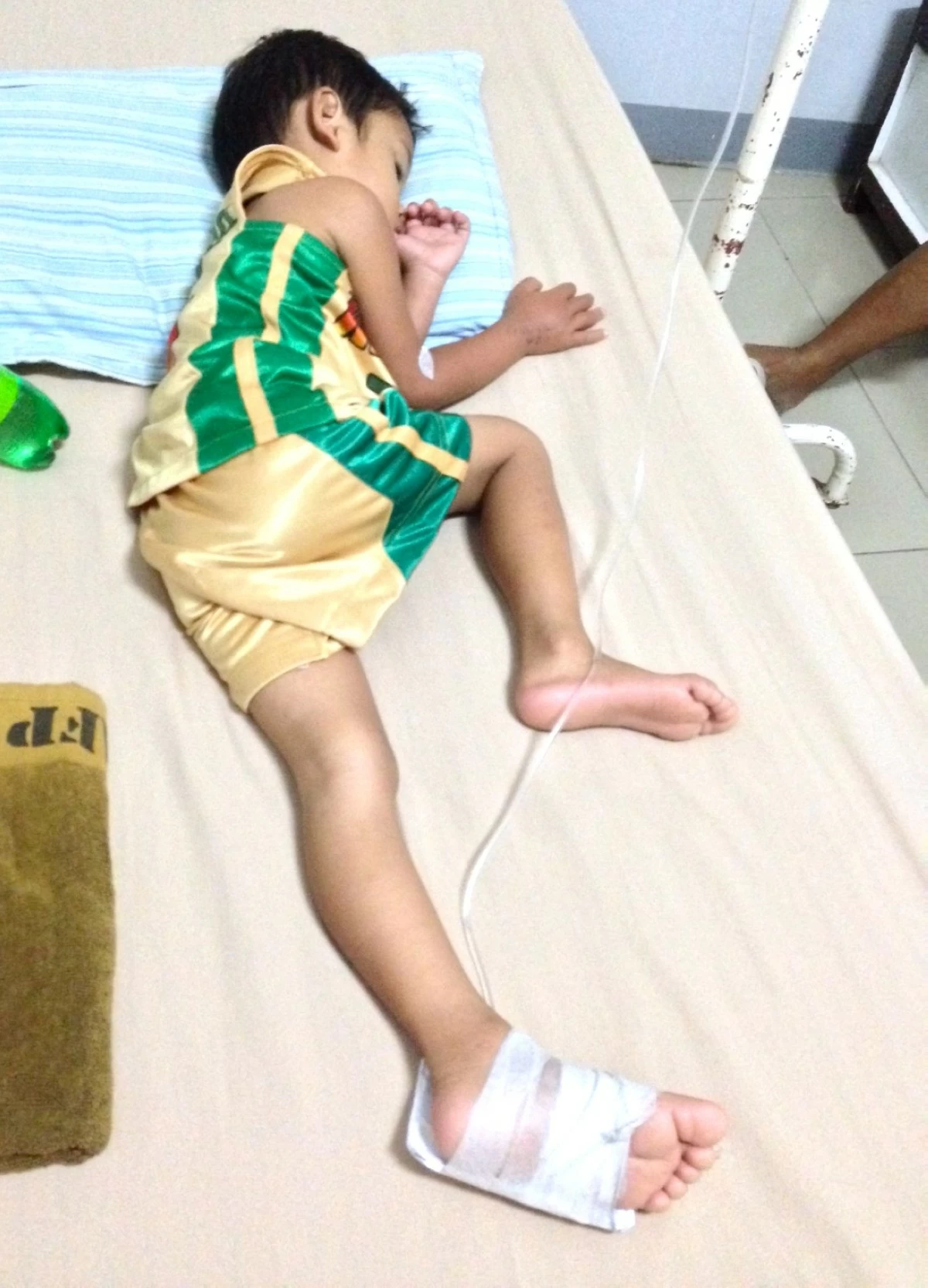
Children are among those most vulnerable to severe dengue. (Photo courtesy of Dr. Richard Mata)
For people who contract dengue, adequate hydration is also important, particularly because the disease can cause fluid loss through fever, vomiting and plasma leakage. Water and oral rehydration solutions may help maintain fluid levels, while patients with severe dengue may require medical attention and intravenous fluids.
The fight against dengue, therefore, is not only a health concern. It is also an environmental and community responsibility.
Keeping surroundings clean, properly storing water, removing containers that can collect rainwater, and ensuring that drainage systems remain clear are simple measures, but they can reduce the places where mosquitoes breed.
During the rainy season, dengue prevention efforts begin not only in hospitals and health centers but also in homes, streets, and communities. Preventing stagnant water and managing waste properly remain among the most practical ways to make the environment less favorable for dengue-carrying mosquitoes.