







The deadly toll of the floods
These cases rise after heavy rains and flooding, putting communities at greater risk of serious illness
Published Aug 18, 2026 10:38 am


The torrential rains and widespread flooding in Metro Manila brought on last week by Typhoon Maymay reminded us of how we are all at the mercy of nature’s fury. Five straight days of school were canceled, adding to the already severe collateral damage from the floodwaters.
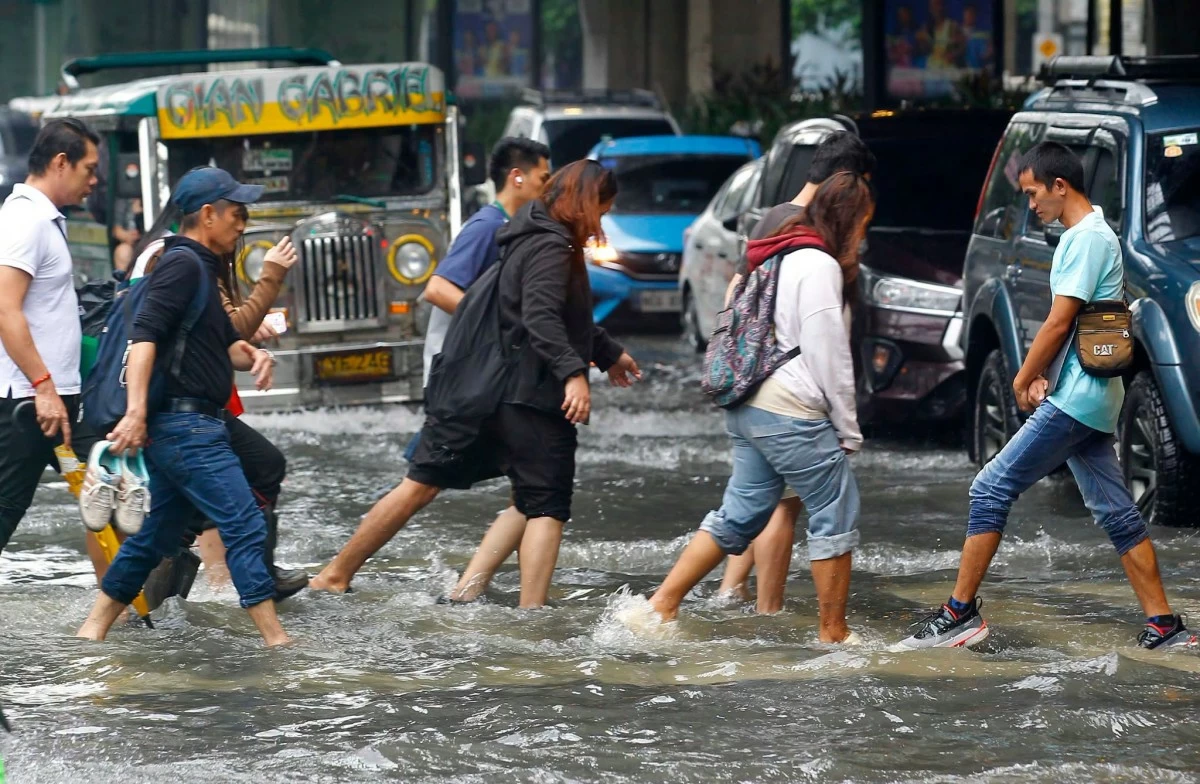
(Photo: Mark Balmores/Manila Bulletin)
Some areas still haven’t resumed face to face classes. Even as things start to dry up, doctors know that this just heralds worse things to come in the next few weeks.
Three infectious diseases spike in incidence whenever the rainy season comes. Two diseases are caused by bacteria, and the third by a virus.
The first, leptospirosis, is by far the deadliest. The second, typhoid, is the one that spreads from person to person and can easily cause outbreaks. The third, dengue, ends up crowding emergency rooms with patients who need to be monitored for development of life-threatening bleeding.
Leptospirosis
Leptospirosis is caused by the bacterial spirochete Leptospira. It is a disease that is transmitted from the urine of infected animals such as rodents to humans via ingestion of contaminated food or through wading in contaminated waters. While an open wound on the skin makes it easier for Leptospira to enter the body, there is some evidence that spirochetes can penetrate intact skin especially if the skin has been soaked in flood water for a long time.
The majority of people who are infected with leptospirosis have a mild illness and recover on their own without formal medical intervention. However, some develop severe leptospirosis which can lead to kidney and liver failure. Symptoms of severe leptospirosis include jaundice (yellowish skin), conjunctival suffusion (redness and swelling of the whites of the eyes), dark urine, decreased urine output, and severe muscle pain especially in the calf area.
If not properly treated, this can proceed to lung hemorrhage which is almost always fatal. Fortunately, the risk of severe leptospirosis can be significantly reduced by taking the antibiotic doxycycline as soon as possible after flood water exposure. Antibiotics should only be taken after seeing a doctor because these can have side effects.
Doxycycline, in particular, can cause stomach upset, photosensitivity, and yeast infections in women, especially with the high dose (200 mg) that is given for leptospirosis prophylaxis. It should also not be taken by pregnant women or nursing mothers. There are alternative antibiotics that a doctor can use if doxycycline is contraindicated, but these may not work as well as doxycycline and so closer monitoring may be needed.
Typhoid fever
Typhoid fever is caused by the bacteria Salmonella typhi. This is a food and water-borne illness, and the spike in cases during flood season is likely due to inadvertent contamination of food and the water supply. People with typhoid have live infectious Salmonella bacteria in their stool, and some people shed bacteria even if they don’t have symptoms.
Typhoid fever typically causes a high-grade fever which is difficult to bring down even with antibiotics. We have specific tests for typhoid, and a complete blood count will show low or normal white blood cell (WBC) counts while a regular bacterial infection usually shows a high WBC count.
Another sign that doctors watch out for is termed pulse-temperature dissociation. While people with a high fever usually have a high pulse rate, persons with typhoid will have a normal or slow heart rate even if they are febrile. Other symptoms of typhoid include stomach pain, muscle pain, fatigue, constipation, which can eventually turn into diarrhea, and in some people, a salmon-colored rash that comes and goes.
Typhoid fever is treated with antibiotics, which may need to be taken for up to 14 days. About 10 percent of patients can have a relapsing infection even if they completed treatment. Poor hygiene and sanitation can cause typhoid to spread to household contacts. If there is an outbreak of typhoid in a community, people should follow meticulous hand washing before handling food and before eating meals to break the chain of transmission.
There are effective typhoid vaccines, but these are not always available in the Philippines, and protection lasts only two years for the injectable version and five years for the oral version. If you do take the oral typhoid vaccine, do not take antibiotics at the same time since the vaccine is a live weakened version of Salmonella which can be killed by the antibiotics and so, the vaccine won’t work.
Dengue
Dengue is hyperendemic in the Philippines, which means people get infected all year round. However, we do see many more cases during the rainy season since the flood waters facilitate the spread of the mosquito vectors Aedes aegypti and Aedes albopictus. Most Filipino children by the age of 10 have already been infected at least once with dengue. This is the age group where dengue deaths are most common because the second infection has the highest risk for causing severe dengue.
Most people who develop dengue for the first time only have a mild illness or might not even feel sick. The second infection is the one that is more likely to kill people due to a phenomenon known as antibody-dependent enhancement. Antibody-dependent enhancement can cause severe bleeding when the platelets drop precipitously, and a dangerous drop in blood pressure when the blood vessels become leaky and can’t hold on to fluid.
While the overall mortality of dengue is low, the sheer number of cases that occur especially after flooding can overwhelm health care systems. It is very difficult to figure out who will develop severe dengue among those infected, and so the only option in most cases is to admit them to the hospital when patients show some warning signs.
Warning signs include a platelet count below 100,000, elevated liver enzymes, and abdominal pain. Fever in dengue typically lasts four to seven days, but the unsafe drop in platelet usually happens after the fever breaks, lulling people into a false sense of security. I usually keep people in the hospital at least two days after fever resolves to make sure the platelets have recovered.
There is currently no effective antiviral treatment for dengue. Supportive care is the best we can offer. A new dengue vaccine was recently approved in India which does not seem to have the safety issues that hounded the previous dengue vaccine Dengvaxia. The Philippine FDA has not yet approved this vaccine but hopefully it gets approved soon so it can help decrease severe dengue cases in the Philippines.
There are other diseases of the floods that can crop up, like Zika, Chikungunya, and hepatitis A, but the three we just discussed are the most common. It is very difficult to distinguish these different diseases from each other based on symptoms alone. If you do feel sick this rainy season, please see a doctor as soon as possible so that you get the right advice and decrease your risk of getting severely ill.