ADVERTISEMENT

SRA slaps ₱25-per-kilo clearance fee on artificial sweetener imports

Published Aug 18, 2026 01:00 pm
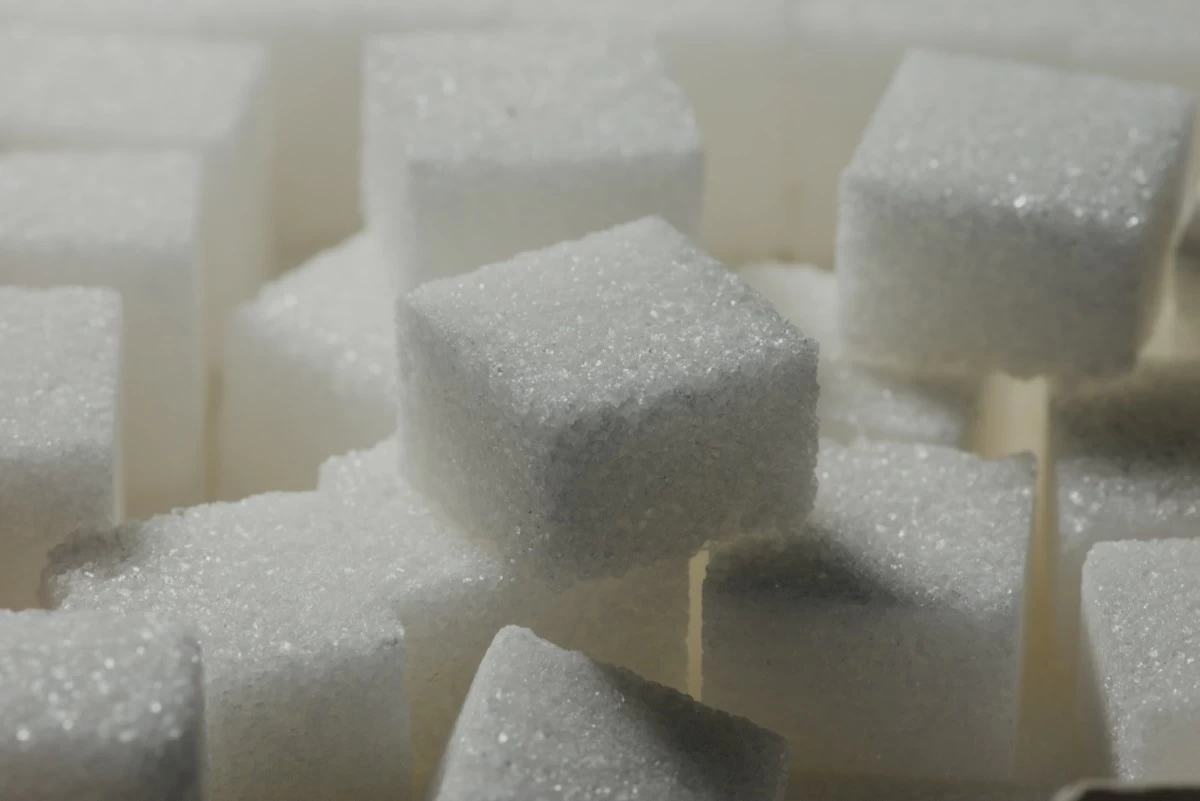
(Unsplash)
(Unsplash)

State-run Sugar Regulatory Administration (SRA) is imposing a clearance fee of ₱25 per kilo on imported artificial sweeteners to regulate the entry of these commodities and prevent further harm to the local sugar industry.

SRA’s board issued Sugar Order (SO) No. 5, dated Aug. 8 but made public on Tuesday, Aug. 18, to implement a clearance fee on the entry of previously unregulated artificial sweeteners under Chapters 29 and 21.06 of the Association of Southeast Asian Nations (ASEAN) Harmonized Tariff Nomenclature (AHTN).

Products under Chapter 29 of AHTN include sucralose, aspartame, saccharin, acesulfame potassium, and processed stevia in any form or concentration.

Meanwhile, Chapter 21.06 covers products or mixtures in the form of dry powder, liquid, gel, syrup, and concentrate, as well as commodities containing sucralose, aspartame, saccharin, and acesulfame potassium in any percentage or concentration.

These purely chemical artificial sweeteners are used in the production of beverages, concentrates, ice cream, coffee or tea mixes, sugar substitutes, food preparations, and supplements.

Under SO 5, imports must pay a clearance fee of ₱25 per kilo for these commodities before a clearance for release may be issued to allow their entry into the domestic market.

“An importer or consignee of the imported goods, products, ingredients covered by this sugar order must be a duly registered international trader of ‘sweeteners’ with the SRA at the time of the application for clearance for release,” SO 5 read.

The new policy will take effect 30 days after its filing with the Office of the National Registrar, after which a subsequent memorandum order will be issued to detail other requirements for the implementation of SO 5.

This marks the first time the government is regulating the importation of artificial sweeteners, which are 500 times sweeter than cane sugar, based on SRA estimates.

Earlier this year, SRA and the Department of Agriculture (DA) said they received a manifesto from sugar industry stakeholders asking the government to regulate the importation of artificial sweeteners.

This comes after both agencies flagged the growing influx of artificial sweeteners in 2024 as a growing threat to domestic sugar demand.

SRA Administrator Pablo Luis Azcona said in February this year that import volumes of artificial sweeteners have been increasing over the past decade, accounting for 750,000 metric tons (MT) to 835,000 MT in raw sugar equivalent annually.

“The concern is very evident and very real, the continual increase is hampering our sugar demand, to put it simply,” Azcona said in a hearing of the House committee on agriculture and food.

Azcona said requiring importers to secure a clearance could help lower the entry of foreign-sourced artificial sweeteners into the country. He recalled that last year’s imposition of a ₱60-per-MT clearance fee on other sugars, such as maple syrup and honey, helped limit their imports.

“The mere data-gathering feature of the policy lowered the actual imports for other sugars, or tariff code 1702. So requiring them to apply for an import clearance from SRA actually lowered the volume,” he said.

Agriculture Secretary Francisco Tiu Laurel, who chairs SRA’s board, said in February that the government was considering raising the current five-percent tariff on artificial sweeteners to further limit imports and protect farmers from depressed farmgate prices of sugar.

Asked whether the government is still open to such a policy, Tiu Laurel told Manila Bulletin on Tuesday that this remains on the table, although it is no longer seen as an immediate need, especially with the new SRA policy.

Instead, he said the next course of action may be to double the clearance fee on imported artificial sweeteners from ₱25 per kilo to ₱50 per kilo.

Tiu Laurel said this would ensure that the clearance fee is at a level that would encourage traders to prioritize local sugar while not completely deterring imports.

Related Tags

Sugar Regulatory Administration (SRA) artificial sweeteners
ADVERTISEMENT
.most-popular .layout-ratio{ padding-bottom: 79.13%; } @media (min-width: 768px) and (max-width: 1024px) { .widget-title { font-size: 15px !important; } }

{{ articles_filter_1561_widget.title }}

.most-popular .layout-ratio{ padding-bottom: 79.13%; } @media (min-width: 768px) and (max-width: 1024px) { .widget-title { font-size: 15px !important; } }

{{ static_articles_1562_widget.title }}

.most-popular .layout-ratio{ padding-bottom: 79.13%; } @media (min-width: 768px) and (max-width: 1024px) { .widget-title { font-size: 15px !important; } }

{{ articles_filter_1563_widget.title }}

{{ articles_filter_1564_widget.title }}

.mb-article-details { position: relative; } .mb-article-details .article-body-preview, .mb-article-details .article-body-summary{ font-size: 17px; line-height: 30px; font-family: "Libre Caslon Text", serif; color: #000; } .mb-article-details .article-body-preview iframe , .mb-article-details .article-body-summary iframe{ width: 100%; margin: auto; } .read-more-background { background: linear-gradient(180deg, color(display-p3 1.000 1.000 1.000 / 0) 13.75%, color(display-p3 1.000 1.000 1.000 / 0.8) 30.79%, color(display-p3 1.000 1.000 1.000) 72.5%); position: absolute; height: 200px; width: 100%; bottom: 0; display: flex; justify-content: center; align-items: center; padding: 0; } .read-more-background a{ color: #000; } .read-more-btn { padding: 17px 45px; font-family: Inter; font-weight: 700; font-size: 18px; line-height: 16px; text-align: center; vertical-align: middle; border: 1px solid black; background-color: white; } .hidden { display: none; }
function initializeAllSwipers() { // Get all hidden inputs with cms_article_id document.querySelectorAll('[id^="cms_article_id_"]').forEach(function (input) { const cmsArticleId = input.value; const articleSelector = '#article-' + cmsArticleId + ' .body_images'; const swiperElement = document.querySelector(articleSelector); if (swiperElement && !swiperElement.classList.contains('swiper-initialized')) { new Swiper(articleSelector, { loop: true, pagination: false, navigation: { nextEl: '#article-' + cmsArticleId + ' .swiper-button-next', prevEl: '#article-' + cmsArticleId + ' .swiper-button-prev', }, }); } }); } setTimeout(initializeAllSwipers, 3000); const intersectionObserver = new IntersectionObserver( (entries) => { entries.forEach((entry) => { if (entry.isIntersecting) { const newUrl = entry.target.getAttribute("data-url"); if (newUrl) { history.pushState(null, null, newUrl); let article = entry.target; // Extract metadata const author = article.querySelector('.author-section').textContent.replace('By', '').trim(); const section = article.querySelector('.section-info ').textContent.replace(' ', ' '); const title = article.querySelector('.article-title h1').textContent; // Parse URL for Chartbeat path format const parsedUrl = new URL(newUrl, window.location.origin); const cleanUrl = parsedUrl.host + parsedUrl.pathname; // Update Chartbeat configuration if (typeof window._sf_async_config !== 'undefined') { window._sf_async_config.path = cleanUrl; window._sf_async_config.sections = section; window._sf_async_config.authors = author; } // Track virtual page view with Chartbeat if (typeof pSUPERFLY !== 'undefined' && typeof pSUPERFLY.virtualPage === 'function') { try { pSUPERFLY.virtualPage({ path: cleanUrl, title: title, sections: section, authors: author }); } catch (error) { console.error('ping error', error); } } // Optional: Update document title if (title && title !== document.title) { document.title = title; } } } }); }, { threshold: 0.1 } ); function showArticleBody(button) { const article = button.closest("article"); const summary = article.querySelector(".article-body-summary"); const body = article.querySelector(".article-body-preview"); const readMoreSection = article.querySelector(".read-more-background"); // Hide summary and read-more section summary.style.display = "none"; readMoreSection.style.display = "none"; // Show the full article body body.classList.remove("hidden"); } document.addEventListener("DOMContentLoaded", () => { let loadCount = 0; // Track how many times articles are loaded const offset = [1, 2, 3, 4, 5, 6, 7, 8, 9, 10]; // Offset values const currentUrl = window.location.pathname.substring(1); let isLoading = false; // Prevent multiple calls if (!currentUrl) { console.log("Current URL is invalid."); return; } const sentinel = document.getElementById("load-more-sentinel"); if (!sentinel) { console.log("Sentinel element not found."); return; } function isSentinelVisible() { const rect = sentinel.getBoundingClientRect(); return ( rect.top < window.innerHeight && rect.bottom >= 0 ); } function onScroll() { if (isLoading) return; if (isSentinelVisible()) { if (loadCount >= offset.length) { console.log("Maximum load attempts reached."); window.removeEventListener("scroll", onScroll); return; } isLoading = true; const currentOffset = offset[loadCount]; window.loadMoreItems().then(() => { let article = document.querySelector('#widget_1690 > div:nth-last-of-type(2) article'); intersectionObserver.observe(article) loadCount++; }).catch(error => { console.error("Error loading more items:", error); }).finally(() => { isLoading = false; }); } } window.addEventListener("scroll", onScroll); });

Sign up by email to receive news.