






 Business
Trade & Industry
Shell to open fifth Philippine import terminal as Middle East volatility tests fuel supply
Business
Trade & Industry
Shell to open fifth Philippine import terminal as Middle East volatility tests fuel supply
Shell to open fifth Philippine import terminal as Middle East volatility tests fuel supply


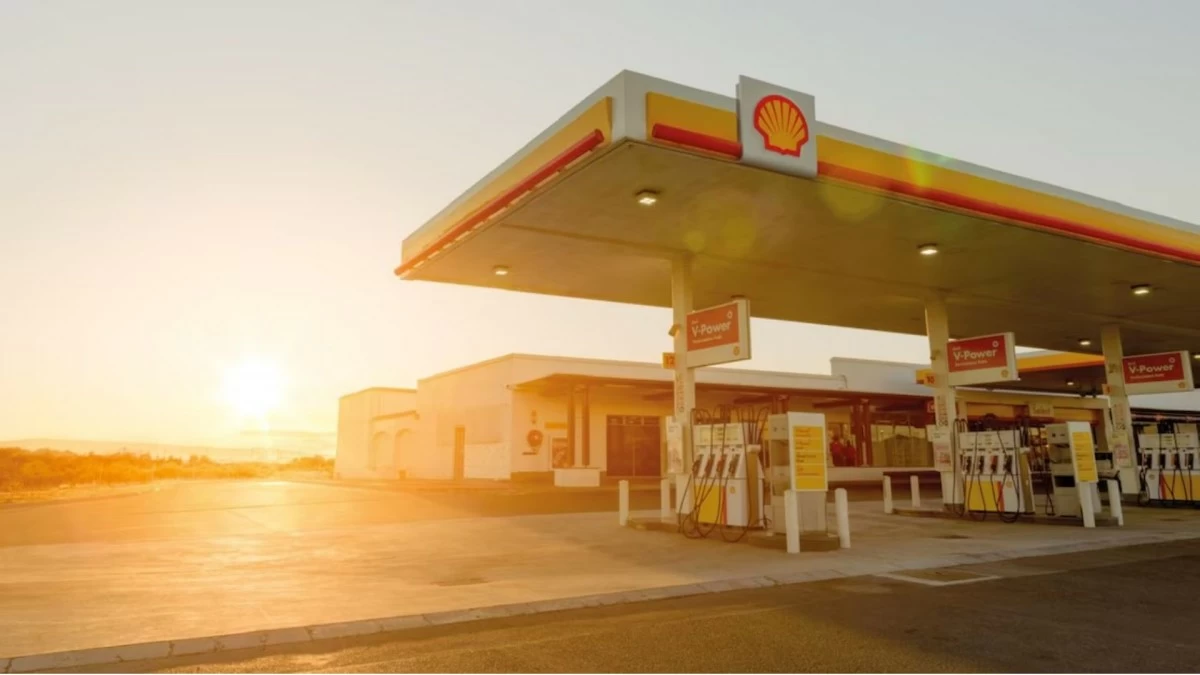
Shell Pilipinas Corp. is set to open its fifth fuel import terminal in the Philippines by the end of 2026, expanding its supply network as the company leans on its pure-import model to navigate global oil price and supply volatility stemming from the prolonged Middle East conflict.
During the Philippine Stock Exchange (PSE) Strengthening Access and Reach (STAR) investor briefing on Tuesday, Aug. 18, Shell Pilipinas Chief Finance Officer (CFO) Reynaldo Abilo said the new Visayas import terminal, initially targeted for completion in 2025, would further expand the company’s capacity to bring finished petroleum products into the country.
“We started with two import terminals: one in Tabangao, which used to be our [refinery in Batangas], and the other one is in Cagayan de Oro… From there, we increased by two more, one in Subic [and] in Davao last year,” Abilo said.
The fifth terminal will provide Shell with another entry point for imported petroleum products, helping the company meet regional fuel demand and diversify its domestic supply network.
Abilo said Shell’s shift from a hybrid refining-and-importation model to pure importation has made the company less exposed to global oil price volatility, particularly amid heightened risks stemming from the Middle East conflict.
“One of the things that impacts our business is volatility. And in the past, when we used to have a refining business, we are more exposed,” he explained.
“Because other than the finished goods inventory that we carry, we also carry crude. And as a result, by having both crude and finished goods inventory, you are more exposed to fluctuations in [market prices].”
Shell permanently converted its former refinery in Tabangao, Batangas province, into an import terminal in 2020, shifting its Philippine downstream operations to a pure-import model.
Abilo said the transition also lowered fixed costs and provided greater operational flexibility by converting fixed overhead into variable costs tied to actual volumes.
Shell Pilipinas Chief Executive Officer (CEO) Lorelie Quiambao-Osial said the pure-import model also allows the company to tap directly into Shell’s global trading network, giving it access to a wider range of supply sources instead of relying on a local refinery.
“In a volatile period, particularly like the first half, linking the Middle East disruption and that global trading network allowed us to actually have multiple sourcing options. And allowed us to also source products from non-traditional locations, for example, compared to the past,” she said.
“That has allowed the company to be able to ensure supply continuity, and to be able to continue to support its customers and partners.”
The expansion comes as the Philippines, a net energy importer, remains under a state of national energy emergency amid global fuel price and supply shocks caused by the prolonged Middle East conflict.
Shell Pilipinas reported a ₱2.7-billion net loss in the first half of 2026 but said it would continue pursuing capital discipline and cost-efficiency measures while working to stabilize cash flow.
Abilo said the company is looking at allocating about ₱3 billion to ₱4 billion in capital expenditures (capex) annually from 2027 to 2030.