ADVERTISEMENT

'Camp Rock 3': Disney revisits same formula that made it a tween phenomenon

Published Aug 18, 2026 12:20 pm  |  Updated Aug 18, 2026 01:39 pm
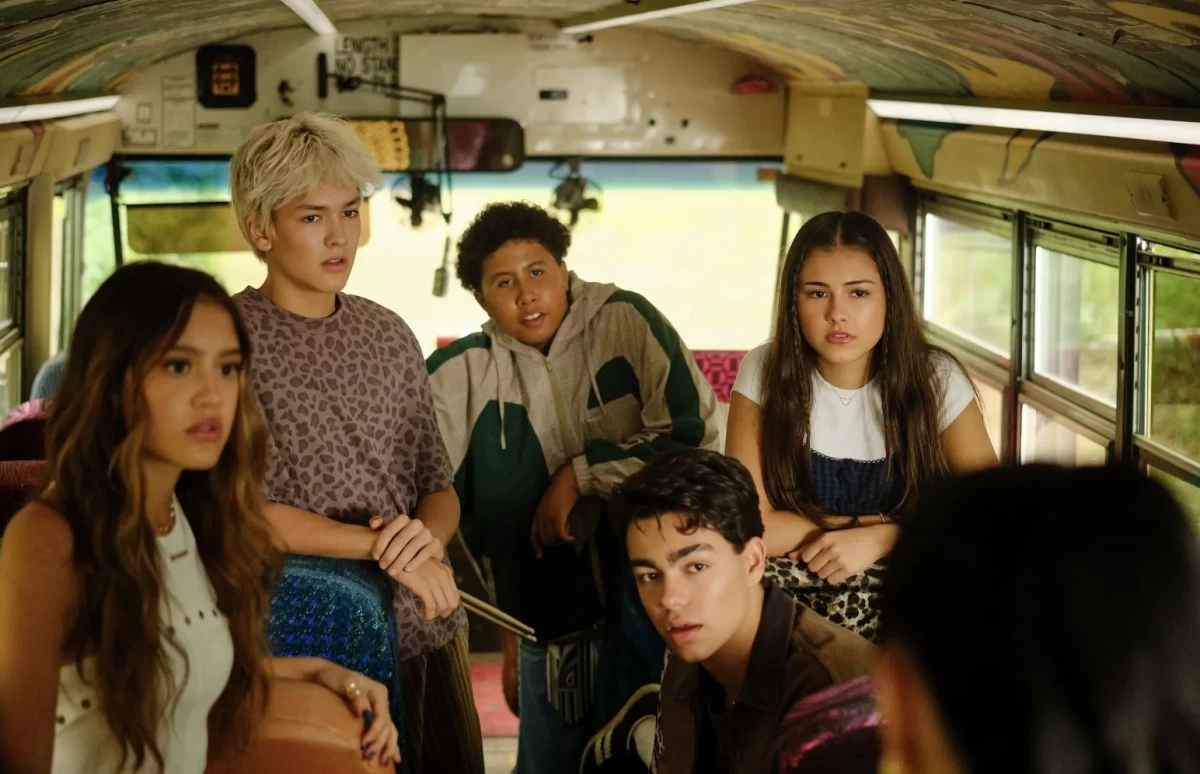
A scene from the film ''Camp Rock 3'' (Disney)
There was a time when Disney Channel was more than just a place to watch television shows and movies. It was a major part of growing up for an entire generation.
The names alone bring back memories: "Lizzie McGuire", "Hannah Montana", "The Cheetah Girls", "High School Musical", and "Camp Rock". These were not simply entertainment properties. They became soundtracks to people’s childhoods and teenage years, with songs memorized, characters admired, and stories that made young viewers believe they, too, could find their place in the spotlight.
That is why "Camp Rock 3" feels like an interesting move for Disney. After years of exploring different types of storytelling, the franchise returns to one of the formulas that helped define the Disney Channel era: young people discovering themselves through music, friendship, and the courage to follow their dreams.
And that formula remains effective.
At its core, "Camp Rock 3" still understands what made the original films work. There is the familiar journey of the underdogs trying to prove themselves, friendships being tested and strengthened, and the idea that talent is not just about being the loudest or most confident person in the room. It is about finding your own voice.
The simplicity is part of its charm. For its target audience, the message is clear and easy to embrace: believe in yourself, support your friends, and do not be afraid to take your turn on stage.
However, maybe it is my age showing, but there was one element of "Camp Rock 3" that distracted me: the styling.
As much as I enjoyed "Camp Rock" and "Camp Rock 2", I found the costumes of the main character to be the weakest part of the film. Some of the outfits felt more mature and more like a pop star image rather than the youthful, approachable style that defined the original movies.
Perhaps this reflects the fashion and expectations of today’s young audiences, but I found myself missing the simplicity of the earlier films.
The original "Camp Rock" movies had a charm because the characters looked like young people who loved music and dreamed of performing. Their style felt attainable, as if viewers watching at home could imagine themselves being part of that world.
In "Camp Rock 3", some of the styling choices felt more like they were preparing these characters for the entertainment industry rather than showing young performers discovering themselves.
I also noticed some hairstyles that appeared to be obvious wigs. Normally, details like that would not bother me. When a story is engaging, those things are easy to overlook. But in this case, they stood out enough to pull me away from the experience.
Despite those concerns, the reason audiences connected with "Camp Rock" in the first place is still present. The music, the friendships, and the message of believing in yourself remain at the center of the story.
One particularly nostalgic moment was hearing the "Camp Rock" anthem again. It was not the final song — the movie ends with “Music in My Soul” — but hearing that familiar anthem as the second-to-the-last song brought back memories of the original films.
The song still carries the same sense of excitement and togetherness that made the franchise memorable. It reminded me that the appeal of "Camp Rock" was never just about competitions or performances. It was about finding your people, gaining confidence, and discovering a place where you belong.
"Camp Rock 3" may not completely recreate the magic of the original films, but it understands why audiences loved them.
For younger viewers discovering the franchise for the first time, it offers the kind of uplifting, feel-good entertainment that Disney has always done well. For longtime fans, watching the first two films before this one will make the return of these characters more meaningful because "Camp Rock 3" builds on the foundation that came before it.
Disney may be revisiting an old formula, but perhaps that is exactly the point. Sometimes stories about friendship, music, and believing in yourself remain timeless because every generation eventually needs to hear the same message. (Contributed by Margaret Tipton Siytangco) 

Related Tags

Camp Rock 3
ADVERTISEMENT
.most-popular .layout-ratio{ padding-bottom: 79.13%; } @media (min-width: 768px) and (max-width: 1024px) { .widget-title { font-size: 15px !important; } }

{{ articles_filter_1561_widget.title }}

.most-popular .layout-ratio{ padding-bottom: 79.13%; } @media (min-width: 768px) and (max-width: 1024px) { .widget-title { font-size: 15px !important; } }

{{ static_articles_1562_widget.title }}

.most-popular .layout-ratio{ padding-bottom: 79.13%; } @media (min-width: 768px) and (max-width: 1024px) { .widget-title { font-size: 15px !important; } }

{{ articles_filter_1563_widget.title }}

{{ articles_filter_1564_widget.title }}

.mb-article-details { position: relative; } .mb-article-details .article-body-preview, .mb-article-details .article-body-summary{ font-size: 17px; line-height: 30px; font-family: "Libre Caslon Text", serif; color: #000; } .mb-article-details .article-body-preview iframe , .mb-article-details .article-body-summary iframe{ width: 100%; margin: auto; } .read-more-background { background: linear-gradient(180deg, color(display-p3 1.000 1.000 1.000 / 0) 13.75%, color(display-p3 1.000 1.000 1.000 / 0.8) 30.79%, color(display-p3 1.000 1.000 1.000) 72.5%); position: absolute; height: 200px; width: 100%; bottom: 0; display: flex; justify-content: center; align-items: center; padding: 0; } .read-more-background a{ color: #000; } .read-more-btn { padding: 17px 45px; font-family: Inter; font-weight: 700; font-size: 18px; line-height: 16px; text-align: center; vertical-align: middle; border: 1px solid black; background-color: white; } .hidden { display: none; }
function initializeAllSwipers() { // Get all hidden inputs with cms_article_id document.querySelectorAll('[id^="cms_article_id_"]').forEach(function (input) { const cmsArticleId = input.value; const articleSelector = '#article-' + cmsArticleId + ' .body_images'; const swiperElement = document.querySelector(articleSelector); if (swiperElement && !swiperElement.classList.contains('swiper-initialized')) { new Swiper(articleSelector, { loop: true, pagination: false, navigation: { nextEl: '#article-' + cmsArticleId + ' .swiper-button-next', prevEl: '#article-' + cmsArticleId + ' .swiper-button-prev', }, }); } }); } setTimeout(initializeAllSwipers, 3000); const intersectionObserver = new IntersectionObserver( (entries) => { entries.forEach((entry) => { if (entry.isIntersecting) { const newUrl = entry.target.getAttribute("data-url"); if (newUrl) { history.pushState(null, null, newUrl); let article = entry.target; // Extract metadata const author = article.querySelector('.author-section').textContent.replace('By', '').trim(); const section = article.querySelector('.section-info ').textContent.replace(' ', ' '); const title = article.querySelector('.article-title h1').textContent; // Parse URL for Chartbeat path format const parsedUrl = new URL(newUrl, window.location.origin); const cleanUrl = parsedUrl.host + parsedUrl.pathname; // Update Chartbeat configuration if (typeof window._sf_async_config !== 'undefined') { window._sf_async_config.path = cleanUrl; window._sf_async_config.sections = section; window._sf_async_config.authors = author; } // Track virtual page view with Chartbeat if (typeof pSUPERFLY !== 'undefined' && typeof pSUPERFLY.virtualPage === 'function') { try { pSUPERFLY.virtualPage({ path: cleanUrl, title: title, sections: section, authors: author }); } catch (error) { console.error('ping error', error); } } // Optional: Update document title if (title && title !== document.title) { document.title = title; } } } }); }, { threshold: 0.1 } ); function showArticleBody(button) { const article = button.closest("article"); const summary = article.querySelector(".article-body-summary"); const body = article.querySelector(".article-body-preview"); const readMoreSection = article.querySelector(".read-more-background"); // Hide summary and read-more section summary.style.display = "none"; readMoreSection.style.display = "none"; // Show the full article body body.classList.remove("hidden"); } document.addEventListener("DOMContentLoaded", () => { let loadCount = 0; // Track how many times articles are loaded const offset = [1, 2, 3, 4, 5, 6, 7, 8, 9, 10]; // Offset values const currentUrl = window.location.pathname.substring(1); let isLoading = false; // Prevent multiple calls if (!currentUrl) { console.log("Current URL is invalid."); return; } const sentinel = document.getElementById("load-more-sentinel"); if (!sentinel) { console.log("Sentinel element not found."); return; } function isSentinelVisible() { const rect = sentinel.getBoundingClientRect(); return ( rect.top < window.innerHeight && rect.bottom >= 0 ); } function onScroll() { if (isLoading) return; if (isSentinelVisible()) { if (loadCount >= offset.length) { console.log("Maximum load attempts reached."); window.removeEventListener("scroll", onScroll); return; } isLoading = true; const currentOffset = offset[loadCount]; window.loadMoreItems().then(() => { let article = document.querySelector('#widget_1690 > div:nth-last-of-type(2) article'); intersectionObserver.observe(article) loadCount++; }).catch(error => { console.error("Error loading more items:", error); }).finally(() => { isLoading = false; }); } } window.addEventListener("scroll", onScroll); });

Sign up by email to receive news.