







A precious ball in the rough: A review of 'Filipiñana'


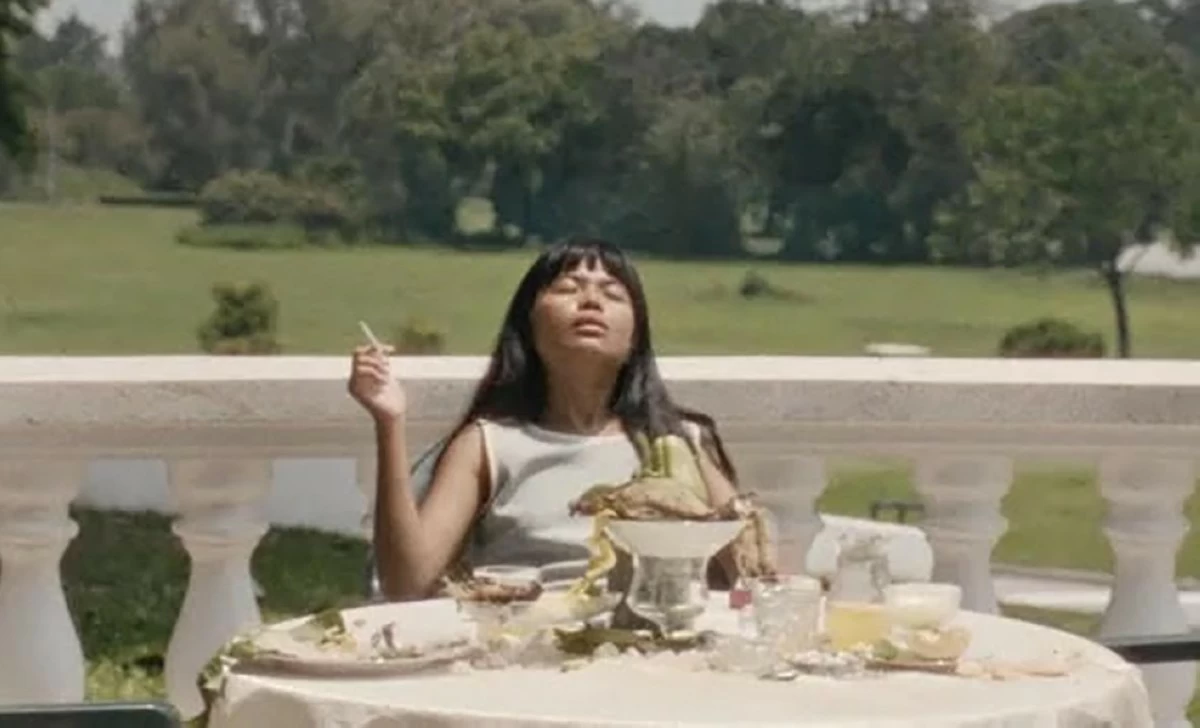
When your golf ball strays away from the manicured fairways of the golf course you’re playing on, the term used is to say you’ve found the “rough.” With all the events of the film “Filipiñana” taking place on the way to, and while at, a golf course, it seemed only right to use a golf analogy as the title of this review.
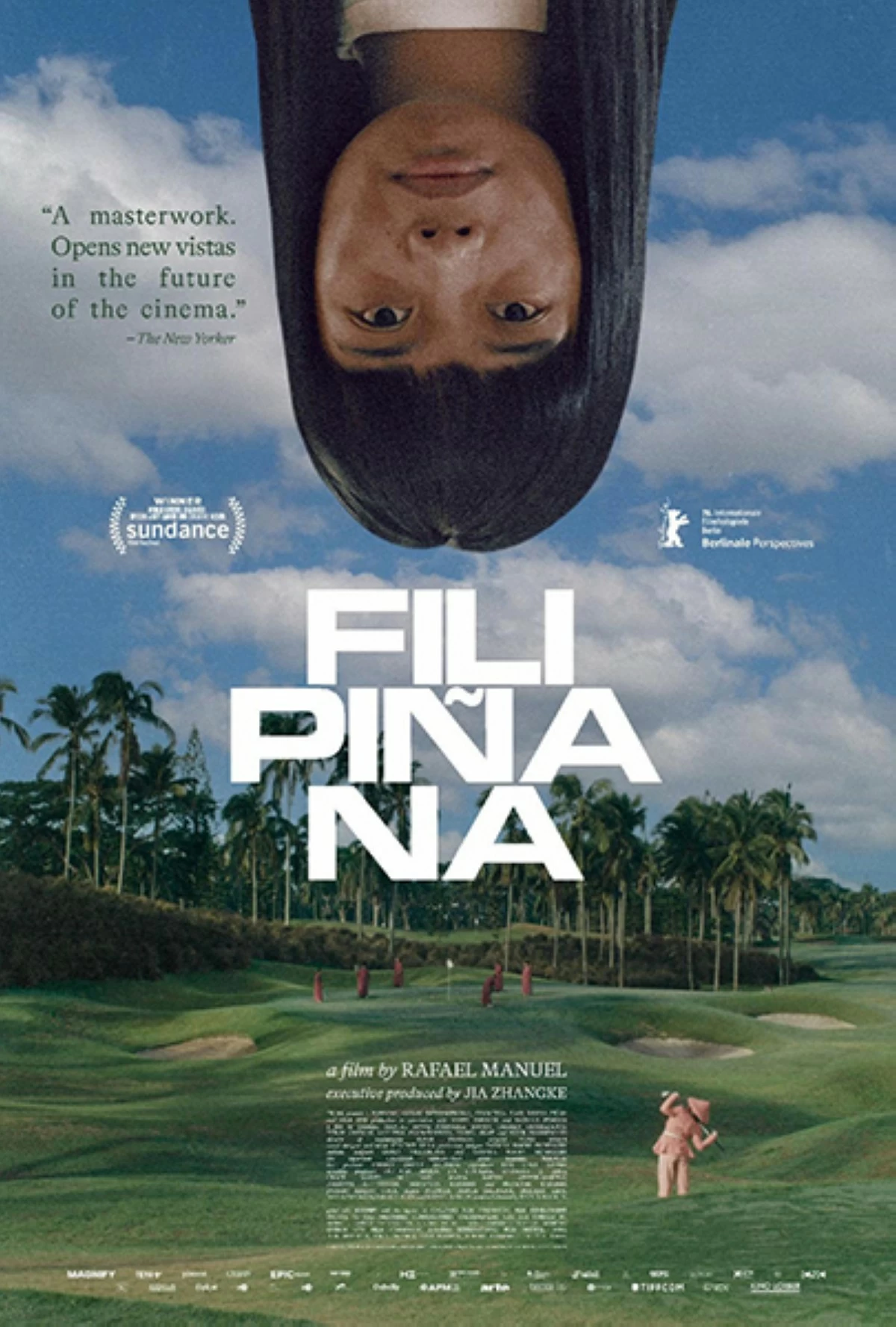
Winner of the Special Jury Award for Creative Vision at Sundance, and copping a New Directors Award at the San Francisco International Film Festival for Rafael Manuel, “Filipiñana” finally makes its way home and will be showing in cinemas on August 26.
Thanks to the awards it has reaped, and the excitement over the trailer and how the stylized cinematography and set pieces reminded some of Wes Anderson’s films, the local film community would seem to be hotly anticipating the run of this latest, precious beacon of Filipino cinema, “Filipiñana.”
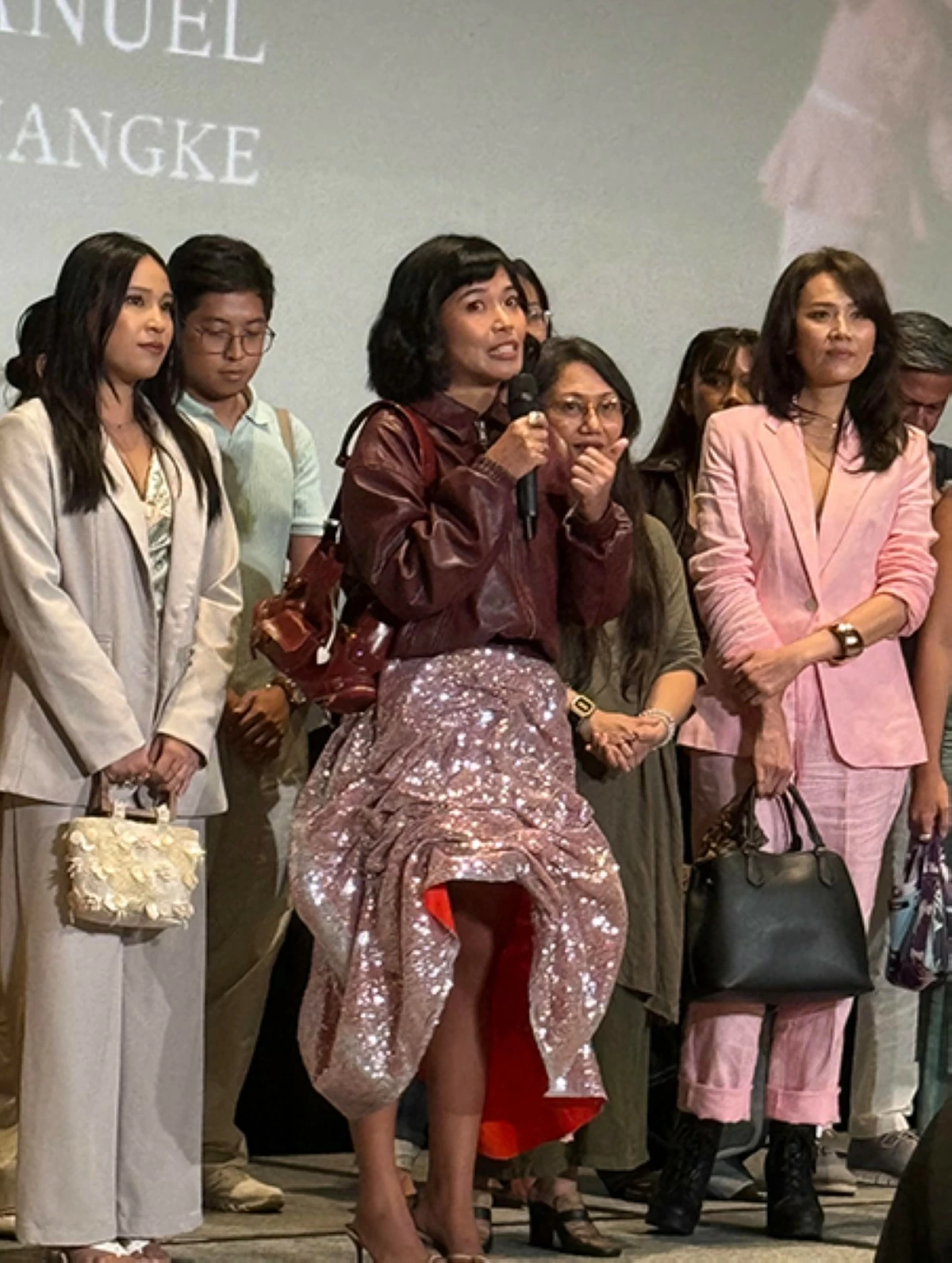
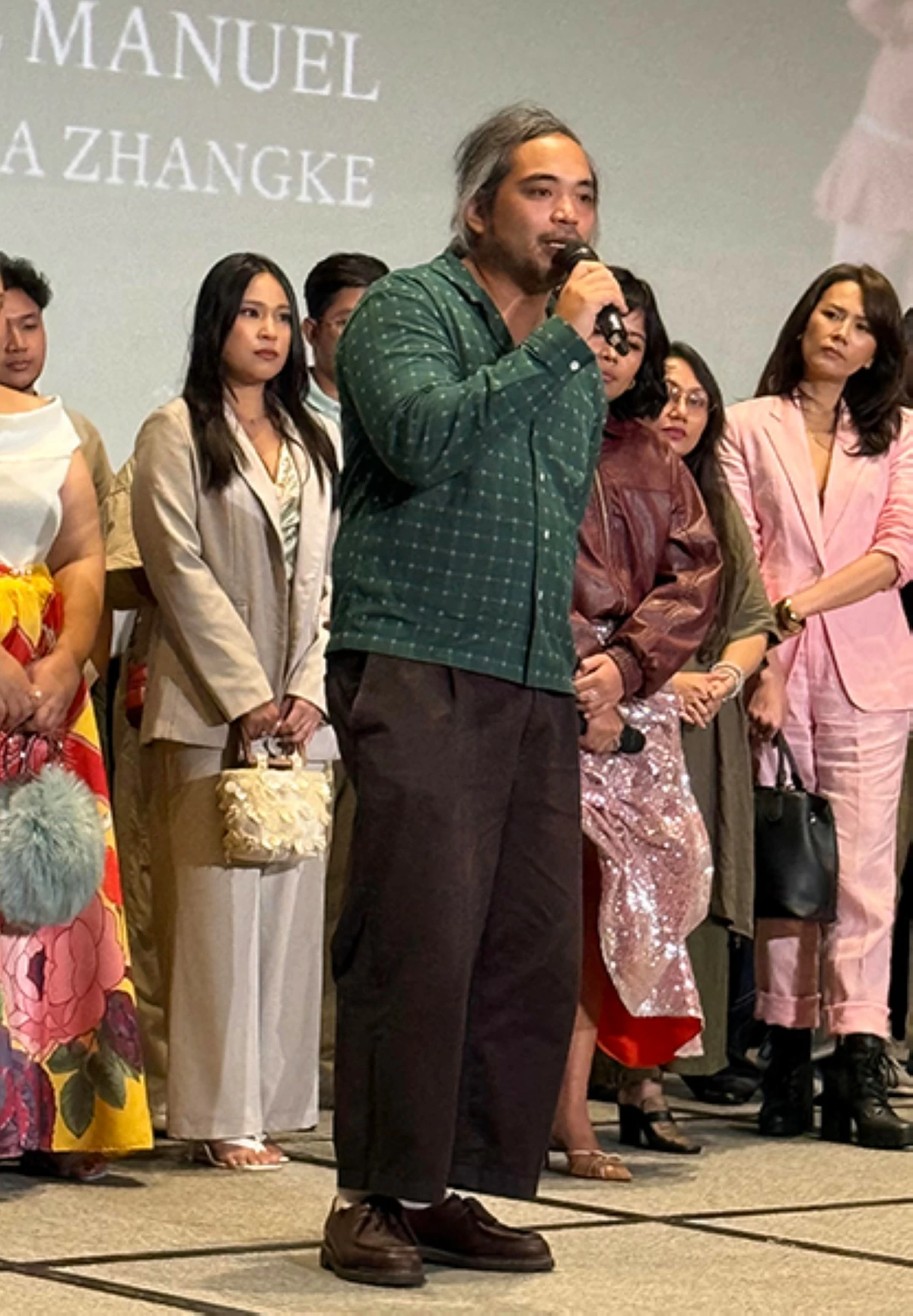
It closed Cinemalaya 2026, and it was great to have the director, producers, and cast of the film on hand for said showing. My takeaway from that short program was Director Rafael Manuel serving notice that this is an art film, Philippine style; that it’s paced very slowly, like most arthouse films from Europe.
After having watched the film, I’d like to add that while it is a class satire at heart, do not expect something like South Korea’s “Parasite,” where narrative tension and pyrotechnics, plus suspense, played major elements of the film’s strengths.
I say this now, as some asked me afterward if we now have a film that can go far, and contend in the Academy Awards. The quick answer to that is no—it’s not that kind of film.
“Filipiñana” is more a film about possibility, and getting closer to that dream of an Oscar for a Filipino film. It is shot beautifully, and there is so much intent in the intricately choreographed set pieces and enthralling cinematography.
The sound design and music are both lit, adding to the atmosphere of the film. And I liked how all that happens takes place over the course of one single day at the golf club.
It’s one day at a golf resort in the Philippines, and our guide to that “day in the life” is a tee-girl named Isabel (Jorybell Agoto). She’s just one of many tee-girls working at the club’s driving range.
And take note that there’s a hierarchy in the golf club, with the lady caddies enjoying higher status than the tee-girls. And lording above them all is the Club President, Dr. Palanca (Teroy Guzman), and his managerial staff. Angeli Bayani, Agot Isidro, Isabel Sicat, and Nour Hooshmand are among those providing able support.
There’s golf club member Renato (Carlos Siguion Reyna), and his niece Clara (Carmen Castellanos)—representing the social divide that exists between the affluent members on one hand, and those who earn a daily wage at the club.
And what Manuel effectively shows is the contrast between the facade of propriety in the club, and the sordid underbelly that lies beneath the surface of greenery, foliage, cultural pop-ups, and monied luxury.
This is all given a surreal, anti-capitalist veneer that’s hard to resist. It’s no surprise that cinema so visually arresting, and yet making such a potent humanist statement, would find favor with film critics and the foreign film community.
You’re cheering for the tee-girls, as the moral vacuum that the ones on top exist in becomes evident time and time again—the golf club becoming a microcosm of Philippine society.
If anything, there’s too much restraint, and attention to style in this film. It’s consistently so pretty to look at, when you want to light a fire under some of the actors, and break the sense of decorum at the club.
Plus, you’d want more conflict and story. But as the director did point out, he did want to showcase the agony of waiting, and the spirit of futility, that exists at these bastions of the Filipino social order and “kept under wraps” caste system.