

ADVERTISEMENT

Why Ricky Lee's 'Quiapo Ilalim' is a must-read for aspiring writers

Published Aug 17, 2026 03:53 pm

At A Glance

  • National Artist Ricky Lee's "Quiapo Ilalim" compiles lessons from decades of scriptwriting workshops, offering aspiring Filipino writers a chance to learn from one of Philippine cinema's most respected storytellers.
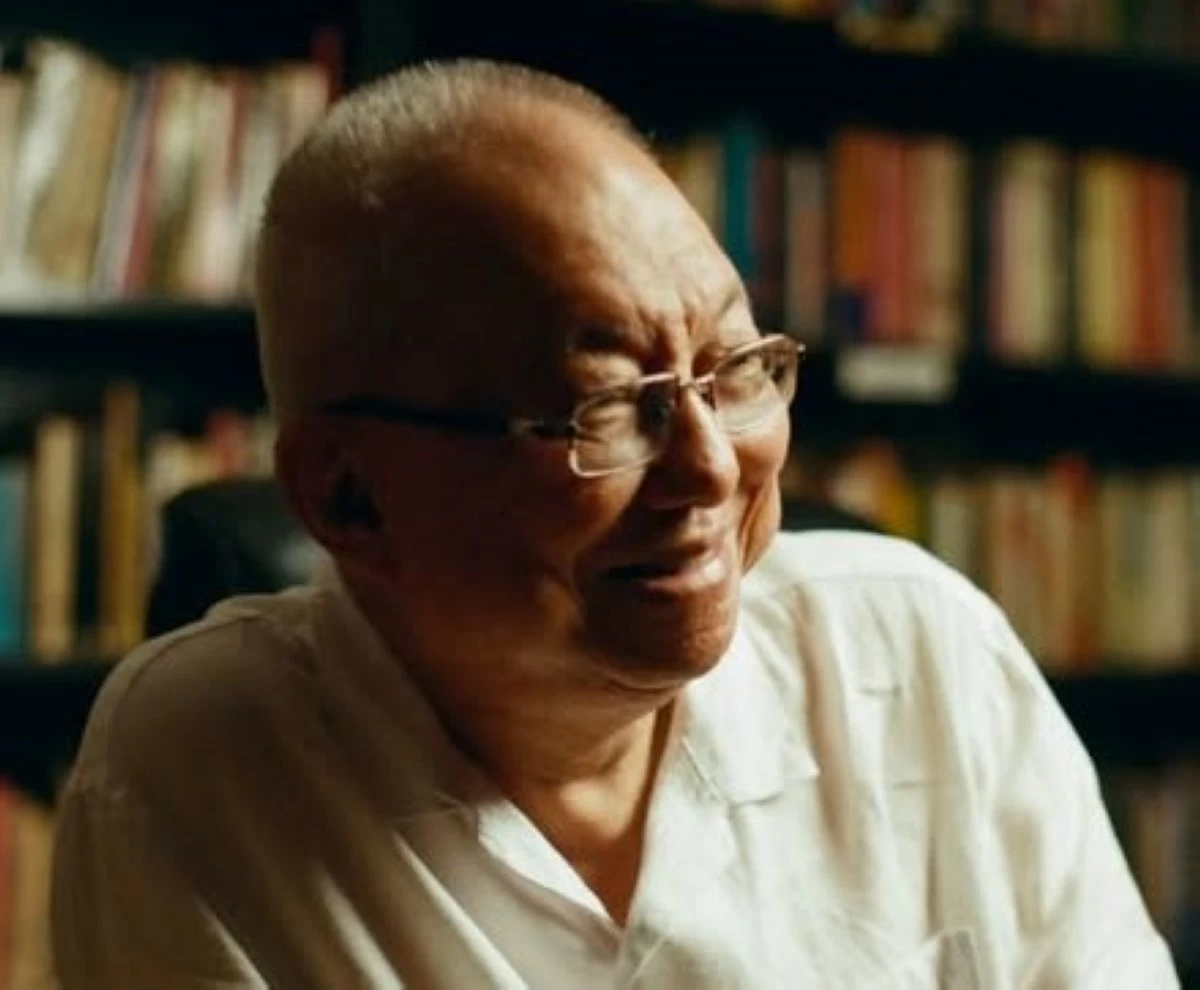
For anyone who has ever wanted to write a screenplay but did not know where to begin, National Artist Ricky Lee’s new book may be the closest thing to having him conduct a workshop on paper.

“Quiapo Ilalim: Pagsusulat ng Iba’t Ibang Daan (Trip to Quiapo 2),” launched on Aug. 14 as part of “Cinemalaya 22: Reel Reflections,” is a compilation of Lee’s lectures, discussions and exercises from his scriptwriting workshops dating back to 1998.

“Compilation ito ng lahat ng mga lectures ko. Discussions namin. Exercises sa mga nakaraang workshops ko mula pa noong 1998 when I published ‘Trip to Quiapo,’ and then ito yung follow-up,” he said.

For those who have attended his workshops, he considers “Quiapo Ilalim” a refresher. For those who have not, he hopes it can serve as a workshop in book form.

“Kaya parang refresher na rin itong librong ito para sa mga nag-workshop na sa akin. At doon naman sa mga hindi pa nag-workshop, para na rin silang nag-workshop sa librong ito,” he said.

The book’s launch was particularly fitting during Cinemalaya 2026, where Lee’s influence as a mentor is highly visible.

Note seven of the festival’s nine competing full-length films were directed by filmmakers who went through his free scriptwriting workshop.

Lee said he was proud of the lineup, particularly the different voices represented by the filmmakers.

“Kanya-kanyang boses sila ng pagkukuwento,” he said, adding that it was gratifying to see his former workshop participants continuing to make films.

But Lee refuses to play favorites.

“Wala. I make it a point na wala akong maging favorite. Na lahat sila, appreciate ko,” he said.

Lee watched all nine Cinemalaya full-length films and said he was happy to see the work of his former students.

His book launch also drew plenty of readers. 

For Lee, the long line was hardly a burden.

“Para sa isang writer na gaya ko, ang sarap-sarap na andaming taong nag-a-appreciate ng pelikula, andaming taong nag-a-appreciate ng mga libro, ng literature,” he said.

That may be the simplest reason to pick up “Quiapo Ilalim”: it represents decades of lessons from a writer who has not only written films but has spent years helping others find their own voices.

Related Tags

Ricky Lee \"Quiapo Ilalim \" \"Trip to Quiapo \" Ricky Lee book scriptwriting Filipino screenwriters Cinemalaya 2026 Cinemalaya 22
ADVERTISEMENT
.most-popular .layout-ratio{ padding-bottom: 79.13%; } @media (min-width: 768px) and (max-width: 1024px) { .widget-title { font-size: 15px !important; } }

{{ articles_filter_1561_widget.title }}

.most-popular .layout-ratio{ padding-bottom: 79.13%; } @media (min-width: 768px) and (max-width: 1024px) { .widget-title { font-size: 15px !important; } }

{{ static_articles_1562_widget.title }}

.most-popular .layout-ratio{ padding-bottom: 79.13%; } @media (min-width: 768px) and (max-width: 1024px) { .widget-title { font-size: 15px !important; } }

{{ articles_filter_1563_widget.title }}

{{ articles_filter_1564_widget.title }}

.mb-article-details { position: relative; } .mb-article-details .article-body-preview, .mb-article-details .article-body-summary{ font-size: 17px; line-height: 30px; font-family: "Libre Caslon Text", serif; color: #000; } .mb-article-details .article-body-preview iframe , .mb-article-details .article-body-summary iframe{ width: 100%; margin: auto; } .read-more-background { background: linear-gradient(180deg, color(display-p3 1.000 1.000 1.000 / 0) 13.75%, color(display-p3 1.000 1.000 1.000 / 0.8) 30.79%, color(display-p3 1.000 1.000 1.000) 72.5%); position: absolute; height: 200px; width: 100%; bottom: 0; display: flex; justify-content: center; align-items: center; padding: 0; } .read-more-background a{ color: #000; } .read-more-btn { padding: 17px 45px; font-family: Inter; font-weight: 700; font-size: 18px; line-height: 16px; text-align: center; vertical-align: middle; border: 1px solid black; background-color: white; } .hidden { display: none; }
function initializeAllSwipers() { // Get all hidden inputs with cms_article_id document.querySelectorAll('[id^="cms_article_id_"]').forEach(function (input) { const cmsArticleId = input.value; const articleSelector = '#article-' + cmsArticleId + ' .body_images'; const swiperElement = document.querySelector(articleSelector); if (swiperElement && !swiperElement.classList.contains('swiper-initialized')) { new Swiper(articleSelector, { loop: true, pagination: false, navigation: { nextEl: '#article-' + cmsArticleId + ' .swiper-button-next', prevEl: '#article-' + cmsArticleId + ' .swiper-button-prev', }, }); } }); } setTimeout(initializeAllSwipers, 3000); const intersectionObserver = new IntersectionObserver( (entries) => { entries.forEach((entry) => { if (entry.isIntersecting) { const newUrl = entry.target.getAttribute("data-url"); if (newUrl) { history.pushState(null, null, newUrl); let article = entry.target; // Extract metadata const author = article.querySelector('.author-section').textContent.replace('By', '').trim(); const section = article.querySelector('.section-info ').textContent.replace(' ', ' '); const title = article.querySelector('.article-title h1').textContent; // Parse URL for Chartbeat path format const parsedUrl = new URL(newUrl, window.location.origin); const cleanUrl = parsedUrl.host + parsedUrl.pathname; // Update Chartbeat configuration if (typeof window._sf_async_config !== 'undefined') { window._sf_async_config.path = cleanUrl; window._sf_async_config.sections = section; window._sf_async_config.authors = author; } // Track virtual page view with Chartbeat if (typeof pSUPERFLY !== 'undefined' && typeof pSUPERFLY.virtualPage === 'function') { try { pSUPERFLY.virtualPage({ path: cleanUrl, title: title, sections: section, authors: author }); } catch (error) { console.error('ping error', error); } } // Optional: Update document title if (title && title !== document.title) { document.title = title; } } } }); }, { threshold: 0.1 } ); function showArticleBody(button) { const article = button.closest("article"); const summary = article.querySelector(".article-body-summary"); const body = article.querySelector(".article-body-preview"); const readMoreSection = article.querySelector(".read-more-background"); // Hide summary and read-more section summary.style.display = "none"; readMoreSection.style.display = "none"; // Show the full article body body.classList.remove("hidden"); } document.addEventListener("DOMContentLoaded", () => { let loadCount = 0; // Track how many times articles are loaded const offset = [1, 2, 3, 4, 5, 6, 7, 8, 9, 10]; // Offset values const currentUrl = window.location.pathname.substring(1); let isLoading = false; // Prevent multiple calls if (!currentUrl) { console.log("Current URL is invalid."); return; } const sentinel = document.getElementById("load-more-sentinel"); if (!sentinel) { console.log("Sentinel element not found."); return; } function isSentinelVisible() { const rect = sentinel.getBoundingClientRect(); return ( rect.top < window.innerHeight && rect.bottom >= 0 ); } function onScroll() { if (isLoading) return; if (isSentinelVisible()) { if (loadCount >= offset.length) { console.log("Maximum load attempts reached."); window.removeEventListener("scroll", onScroll); return; } isLoading = true; const currentOffset = offset[loadCount]; window.loadMoreItems().then(() => { let article = document.querySelector('#widget_1690 > div:nth-last-of-type(2) article'); intersectionObserver.observe(article) loadCount++; }).catch(error => { console.error("Error loading more items:", error); }).finally(() => { isLoading = false; }); } } window.addEventListener("scroll", onScroll); });

Sign up by email to receive news.