






 Business
The Stock Market
PLDT eyes Southern Luzon for largest data center amid AI boom
Business
The Stock Market
PLDT eyes Southern Luzon for largest data center amid AI boom
PLDT eyes Southern Luzon for largest data center amid AI boom


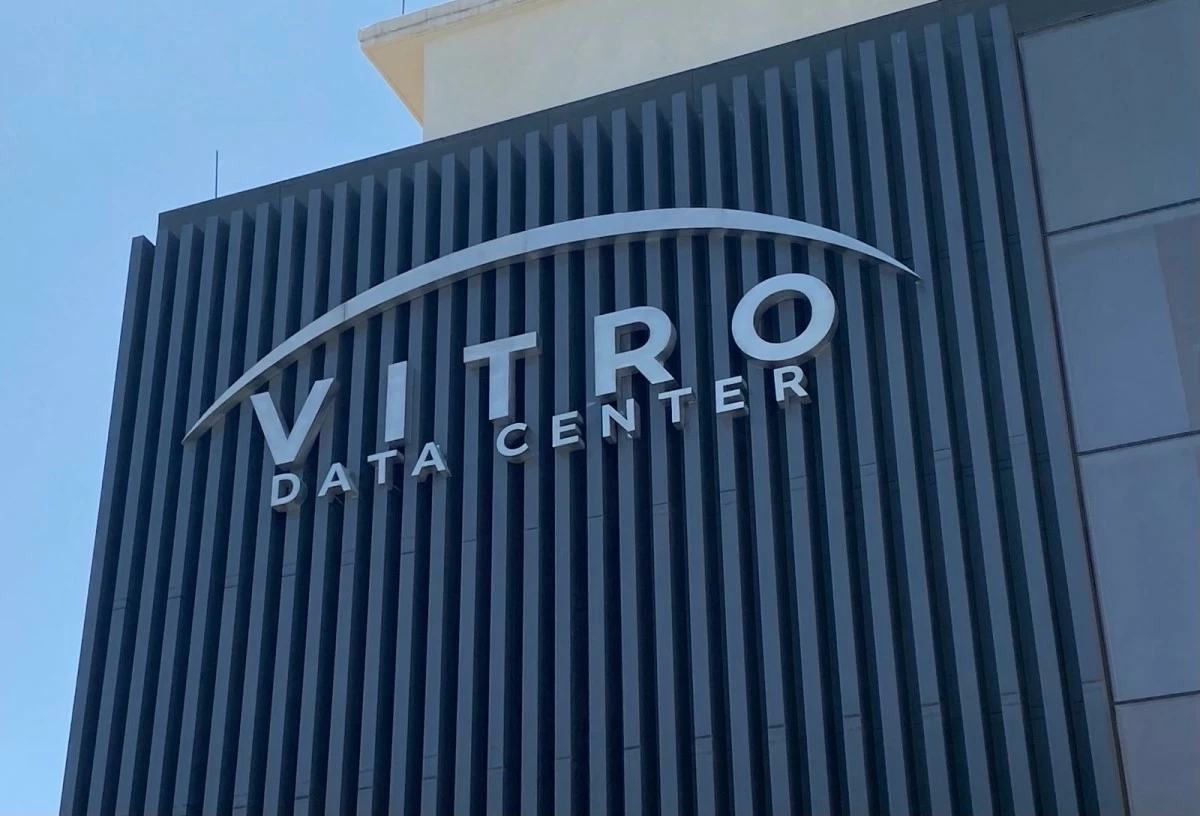
Telecommunications giant PLDT Inc. is setting its sights on Southern Luzon to build its largest data center yet, with an operational capacity of at least 100 megawatts (MW), as it looks to capture growing demand for artificial intelligence (AI).
PLDT’s data center arm, VITRO Inc., is exploring sites in the region to build its next facility, which is projected to meet the extensive data and computing requirements of hyperscalers.
Victor Genuino, president and chief executive officer (CEO) of VITRO, said southern Luzon is the company’s best bet for its next data center build given its sufficient energy capacity.
He noted that utility giant Manila Electric Co. (Meralco), which is part of the group led by business titan Manuel V. Pangilinan, has been actively expanding its power distribution network in the area.
Sufficient power supply is especially critical for data centers, as a single facility primarily serving hyperscalers can consume as much electricity as 100,000 households, according to estimates from the Paris-based International Energy Agency (IEA).
Genuino said one of the top candidates for the 100-MW data center is General Trias City in Cavite procince, with the project cost earlier estimated at around ₱40 billion.
“We’re also evaluating other sites aside from that. But if we build the next one, it’s better if it’s in the south,” he told reporters last week.
Pangilinan said last week that VITRO is also looking at building a data center in Central Luzon, although he admitted that it could be more challenging as its power capacity remains in doubt.
In particular, he said there are plans to construct a data center in Tarlac province, the site of the proposed Pax Silica AI industrial hub being developed by the United States (US) and the Philippines.
Pangilinan did not confirm whether this planned facility would be within the AI hub, as he stressed that the government must first address concerns over whether the site has sufficient power to meet the requirements of data centers.
“We just need to know more about it so that we know where we can help BCDA [Bases Conversion and Development Authority] create this Pax Silica,” he said.
Earlier, BCDA clarified that the proposed AI hub located in New Clark City would not host any massive hyperscalers given its limited power and water capacity. Instead, the state-run firm said the site is more open to welcoming smaller data centers.
PLDT is betting on VITRO to propel growth and strengthen the company’s bottom line moving forward, as growing demand for AI is requiring more companies to store their data in data centers.
Genuino noted that government demand will further support its growth, especially after the issuance of Executive Order (EO) No. 119, which established the government’s data residency framework.
Under EO 119, government agencies are required to store secret and sensitive information within the country, pushing demand for data center companies like VITRO, whose operational capacity is largely driven by the private sector.
“With the EO, the public sector will increase for sure, especially if it includes personal identifiable information, or those that we find in our driver’s licenses, passports, medical records,” said Genuino.