ADVERTISEMENT

Insulating the 2027 budget from pork

Published Aug 17, 2026 12:05 am  |  Updated Aug 16, 2026 03:28 pm
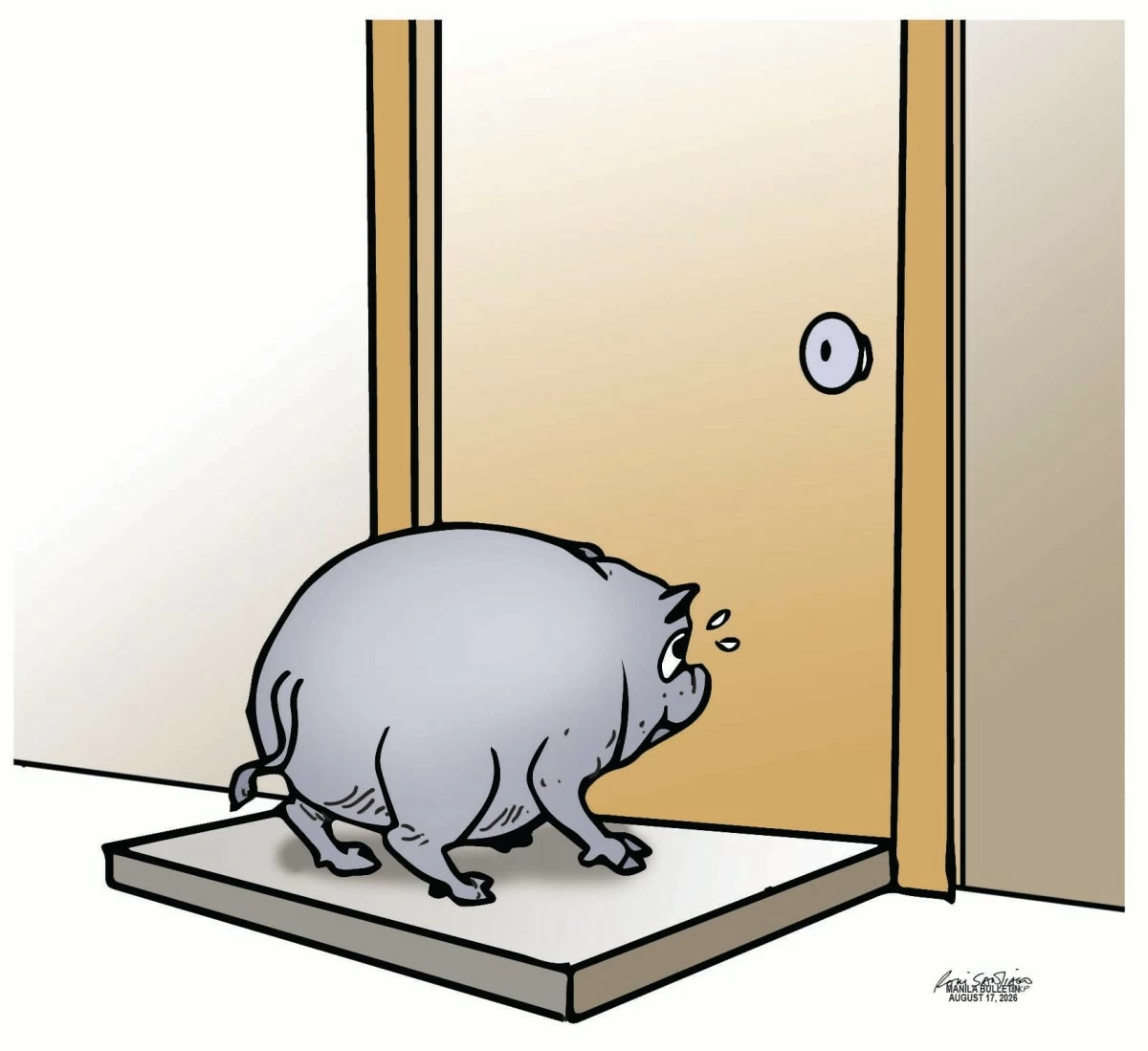
The 2027 national budget is now before Congress, and the central issue is not its size but its credibility. At a time when public confidence in government spending has been shaken, the budget must be clearly insulated from any form of discretionary or hidden congressional allocations that could revive the old pork barrel system.
That trust is further tested by allegations raised in the Sandiganbayan testimony by former Public Works Secretary Manuel Bonoan, who cited supposed “leadership funds” or “allocables” in the 2025 budget amounting to about ₱24 billion for senators’ projects, with allocations reportedly reaching ₱500 million per senator and up to ₱1 billion for committee heads. These claims remain unproven and subject to judicial determination. Meantime, the government is now operating under the 2026 budget that was enacted with significantly less controversy.
Yet, the fallout from the fund control fiasco emanating from the controversial 2025 General Appropriations Act still haunts legislators. Recall that it became a wellspring of pork barrel funds which unscrupulous representatives earmarked for what turned out to be ghost projects.
Following a series of typhoons and massive floods, these anomalous disbursements sparked a nationwide outcry of protest. Moreover, the budget allocation process is undergoing serious public scrutiny. The public is interested to know whether the budget process still allows discretionary legislative influence over project identification and implementation.
The concern is focused on whether what former Secretary Bonoan refers to as “allocables” are, in fact, a rebranded form of the variant that was struck down by the Supreme Court’s ruling. In 2013, the High Tribunal ruled that the Priority Development Assistance Fund (PDAF) was unconstitutional as it allowed lawmakers to perform execution functions outside of their legislative role.
As Congress initiates its review of the 2027 National Expenditure Program that is the basis for the national budget, prudent scrutiny is essential. Malacañang has denied the existence of a “leadership fund” in the DPWH budget, stating that projects are based on identified needs, supported by documentation and, where applicable, regional development council approvals. This assurance, however, must be independently verifiable.
Legislative deliberations should, therefore, involve full transparency on every major infrastructure item—its origin, justification, cost, location, and implementing agency. Any congressional amendment to the Executive proposal should be publicly explained, including who proposed it, what evidence supports it, and what public need it addresses, along with safeguards against political influence.
Both chambers of Congress should also categorically reject any form of discretionary or personal “pork” allocations for members, whether these belong to the majority, the minority, or are independent. While lawmakers have the right to identify constituent needs, their role is to legislate and authorize spending, not to function as parallel implementers of such projects. Close coordination between the legislature and with the Executive must be pursued through the Development Budget Coordination Committee (DBCC).
The 2027 budget will thus test whether lessons from past controversies have been learned. Every peso should be traceable, every project justified, and every amendment defensible under public scrutiny.
Ultimately, sustained public vigilance remains essential to ensuring that the budget serves the public interest rather than political discretion. With transparency and accountability as its twin guideposts, Congress has an opportunity to demonstrate its integrity which is the touchstone of public trust and confidence.

Related Tags

IMPEACHMENT Congress pork barrel
ADVERTISEMENT
.most-popular .layout-ratio{ padding-bottom: 79.13%; } @media (min-width: 768px) and (max-width: 1024px) { .widget-title { font-size: 15px !important; } }

{{ articles_filter_1561_widget.title }}

.most-popular .layout-ratio{ padding-bottom: 79.13%; } @media (min-width: 768px) and (max-width: 1024px) { .widget-title { font-size: 15px !important; } }

{{ static_articles_1562_widget.title }}

.most-popular .layout-ratio{ padding-bottom: 79.13%; } @media (min-width: 768px) and (max-width: 1024px) { .widget-title { font-size: 15px !important; } }

{{ articles_filter_1563_widget.title }}

{{ articles_filter_1564_widget.title }}

.mb-article-details { position: relative; } .mb-article-details .article-body-preview, .mb-article-details .article-body-summary{ font-size: 17px; line-height: 30px; font-family: "Libre Caslon Text", serif; color: #000; } .mb-article-details .article-body-preview iframe , .mb-article-details .article-body-summary iframe{ width: 100%; margin: auto; } .read-more-background { background: linear-gradient(180deg, color(display-p3 1.000 1.000 1.000 / 0) 13.75%, color(display-p3 1.000 1.000 1.000 / 0.8) 30.79%, color(display-p3 1.000 1.000 1.000) 72.5%); position: absolute; height: 200px; width: 100%; bottom: 0; display: flex; justify-content: center; align-items: center; padding: 0; } .read-more-background a{ color: #000; } .read-more-btn { padding: 17px 45px; font-family: Inter; font-weight: 700; font-size: 18px; line-height: 16px; text-align: center; vertical-align: middle; border: 1px solid black; background-color: white; } .hidden { display: none; }
function initializeAllSwipers() { // Get all hidden inputs with cms_article_id document.querySelectorAll('[id^="cms_article_id_"]').forEach(function (input) { const cmsArticleId = input.value; const articleSelector = '#article-' + cmsArticleId + ' .body_images'; const swiperElement = document.querySelector(articleSelector); if (swiperElement && !swiperElement.classList.contains('swiper-initialized')) { new Swiper(articleSelector, { loop: true, pagination: false, navigation: { nextEl: '#article-' + cmsArticleId + ' .swiper-button-next', prevEl: '#article-' + cmsArticleId + ' .swiper-button-prev', }, }); } }); } setTimeout(initializeAllSwipers, 3000); const intersectionObserver = new IntersectionObserver( (entries) => { entries.forEach((entry) => { if (entry.isIntersecting) { const newUrl = entry.target.getAttribute("data-url"); if (newUrl) { history.pushState(null, null, newUrl); let article = entry.target; // Extract metadata const author = article.querySelector('.author-section').textContent.replace('By', '').trim(); const section = article.querySelector('.section-info ').textContent.replace(' ', ' '); const title = article.querySelector('.article-title h1').textContent; // Parse URL for Chartbeat path format const parsedUrl = new URL(newUrl, window.location.origin); const cleanUrl = parsedUrl.host + parsedUrl.pathname; // Update Chartbeat configuration if (typeof window._sf_async_config !== 'undefined') { window._sf_async_config.path = cleanUrl; window._sf_async_config.sections = section; window._sf_async_config.authors = author; } // Track virtual page view with Chartbeat if (typeof pSUPERFLY !== 'undefined' && typeof pSUPERFLY.virtualPage === 'function') { try { pSUPERFLY.virtualPage({ path: cleanUrl, title: title, sections: section, authors: author }); } catch (error) { console.error('ping error', error); } } // Optional: Update document title if (title && title !== document.title) { document.title = title; } } } }); }, { threshold: 0.1 } ); function showArticleBody(button) { const article = button.closest("article"); const summary = article.querySelector(".article-body-summary"); const body = article.querySelector(".article-body-preview"); const readMoreSection = article.querySelector(".read-more-background"); // Hide summary and read-more section summary.style.display = "none"; readMoreSection.style.display = "none"; // Show the full article body body.classList.remove("hidden"); } document.addEventListener("DOMContentLoaded", () => { let loadCount = 0; // Track how many times articles are loaded const offset = [1, 2, 3, 4, 5, 6, 7, 8, 9, 10]; // Offset values const currentUrl = window.location.pathname.substring(1); let isLoading = false; // Prevent multiple calls if (!currentUrl) { console.log("Current URL is invalid."); return; } const sentinel = document.getElementById("load-more-sentinel"); if (!sentinel) { console.log("Sentinel element not found."); return; } function isSentinelVisible() { const rect = sentinel.getBoundingClientRect(); return ( rect.top < window.innerHeight && rect.bottom >= 0 ); } function onScroll() { if (isLoading) return; if (isSentinelVisible()) { if (loadCount >= offset.length) { console.log("Maximum load attempts reached."); window.removeEventListener("scroll", onScroll); return; } isLoading = true; const currentOffset = offset[loadCount]; window.loadMoreItems().then(() => { let article = document.querySelector('#widget_1690 > div:nth-last-of-type(2) article'); intersectionObserver.observe(article) loadCount++; }).catch(error => { console.error("Error loading more items:", error); }).finally(() => { isLoading = false; }); } } window.addEventListener("scroll", onScroll); });

Sign up by email to receive news.