






Manila Bulletin
 Lifestyle
Fashion and Beauty
Maria Gan marks her atelier's first anniversary with a sampaguita-inspired bridal collection
Lifestyle
Fashion and Beauty
Maria Gan marks her atelier's first anniversary with a sampaguita-inspired bridal collection
Lifestyle
Fashion and Beauty
Maria Gan marks her atelier's first anniversary with a sampaguita-inspired bridal collection
Maria Gan marks her atelier's first anniversary with a sampaguita-inspired bridal collection
Published Aug 16, 2026 06:37 am


Sampaguitas bring back many memories for me. I always look forward to buying a few garlands outside church, offering them, and keeping some blooms at home. I love their soft, delicate, and memorable fragrance. The scent brings to mind prayer, family traditions, and expressions of faith. It is fitting that our national flower represents purity, devotion, and love.
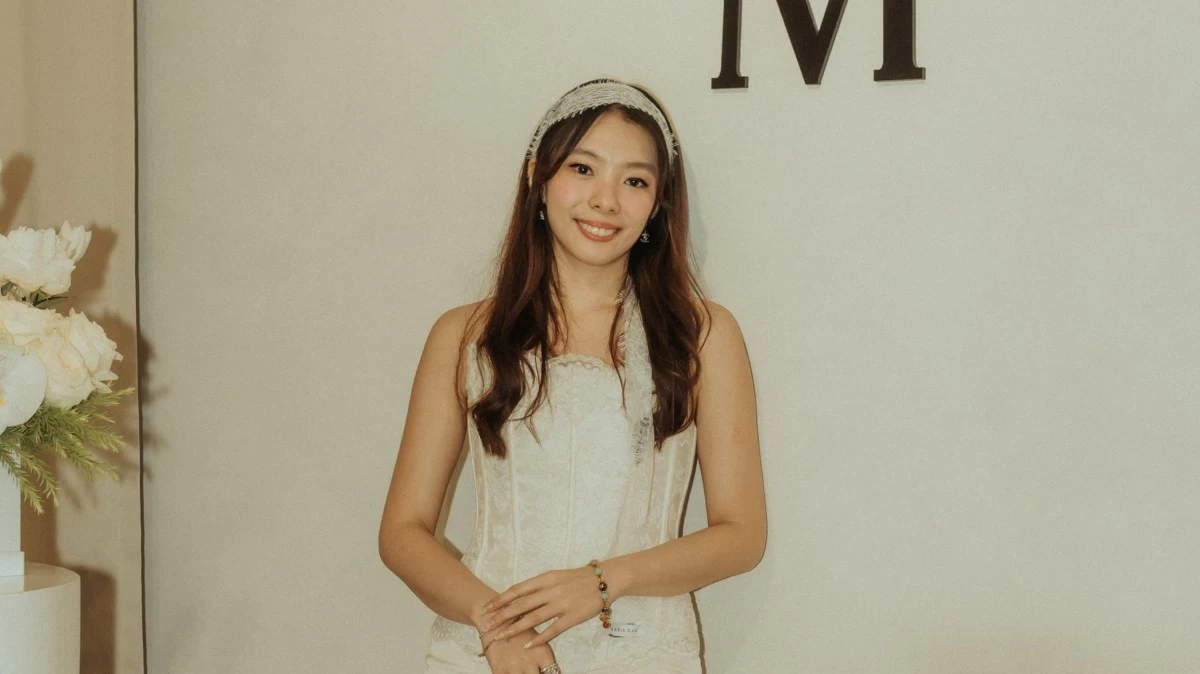
Fashion designer Maria Gan (Photos: Maria Gan)
For fashion designer Maria Gan, these qualities provided the starting point for “Sumpa, A Bridal Ode to Sampaguita,” her latest eight-piece collection. Presented during the first anniversary celebration of the Maria Gan Couture atelier on Aug. 8, it offers looks for every part of the wedding, from the preparations and ceremony to the reception and after-party.
Instead of interpreting the flower literally, Maria drew inspiration from its qualities. “I wanted to capture its essence, its softness, intimacy, and symbolism of quiet devotion,” she tells Manila Bulletin Lifestyle. “This translated into silhouettes that feel like unfolding petals: gentle draping, curved lines, and sculpted forms that hold structure while remaining light.”
Silk, Mikado, organdy, and duchess satin bring together delicacy and strength. Hand-appliquéd florals, cut-out motifs, and subtle beading appear throughout the collection. “It’s more about evoking a feeling than recreating the flower itself,” she says.
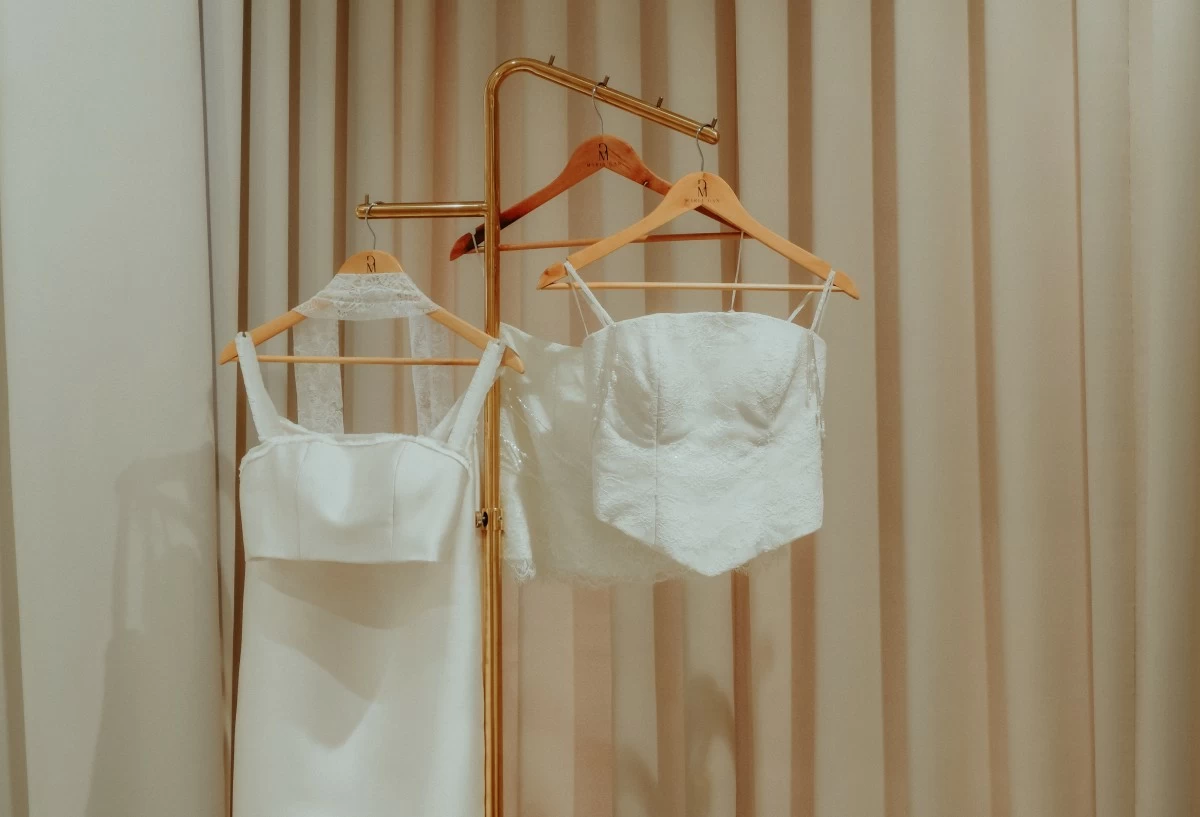
Maria Gan's sampaguita-inspired bridal collection
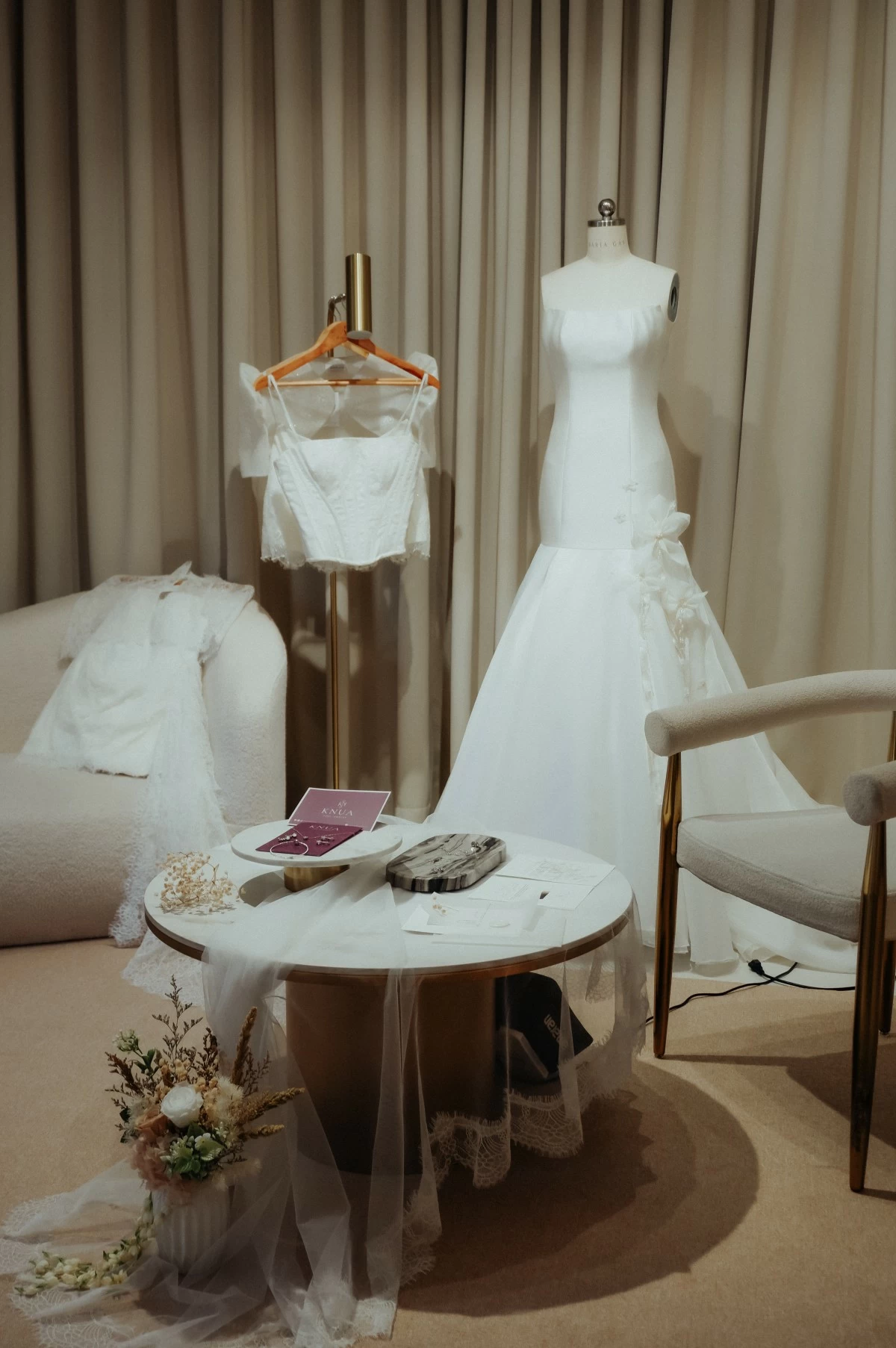
Maria Gan's sampaguita-inspired bridal collection
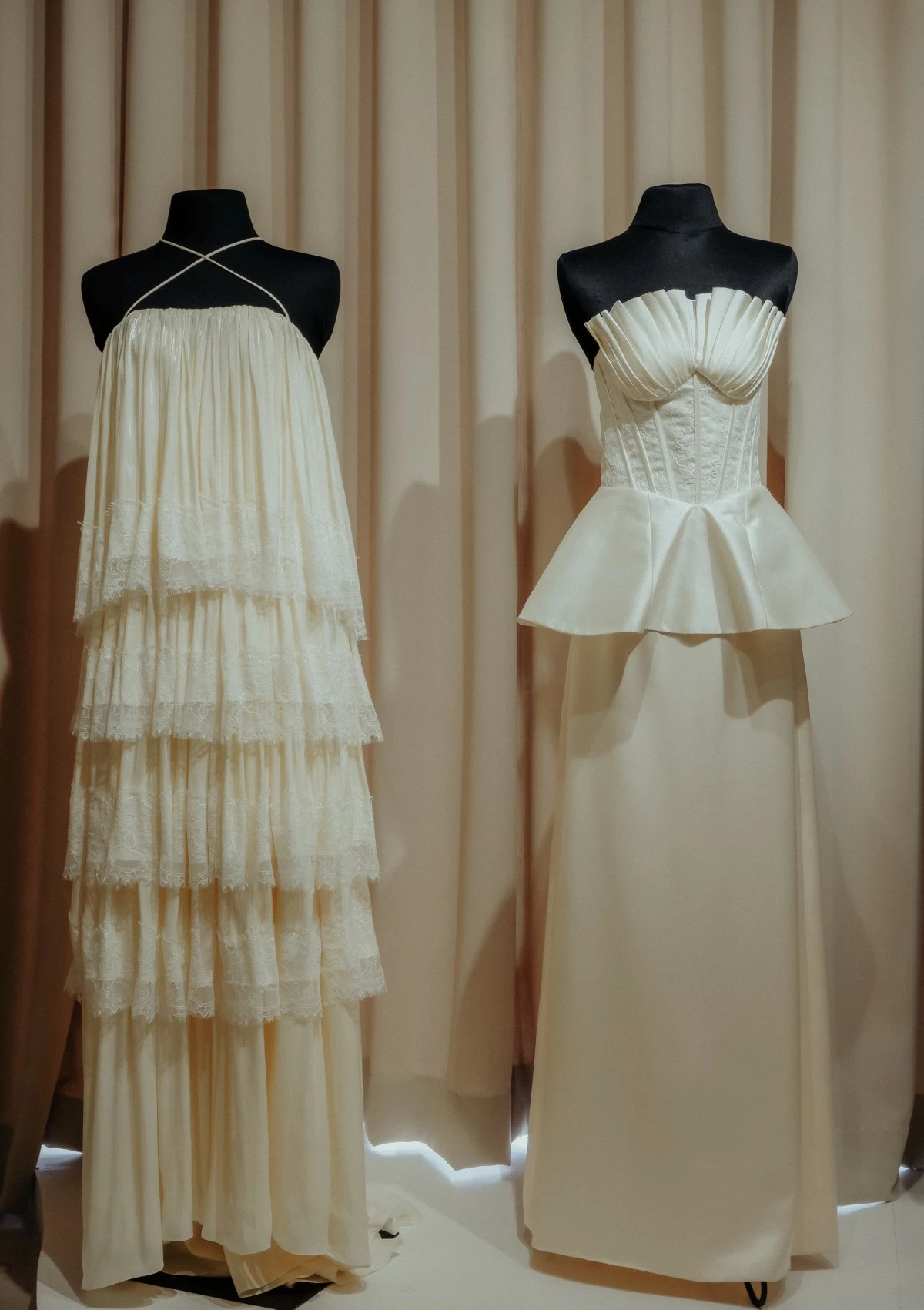
Maria Gan's sampaguita-inspired bridal collection
From ceremony to after-party
Each look was designed for a different part of the wedding celebration. Structured gowns in off-white and pearl tones offer classic options for the ceremony, while lighter pieces with sheer layers allow a bride to move more freely during the reception. Short dresses and separates provide contemporary choices for welcome dinners, after-parties, or smaller celebrations.
“Alon,” a tiered dress with a fluid silhouette, may be worn for a pre-wedding event. “Giliw” can serve as a wedding preparation look or welcome dinner dress, while “Mutya” and “Sinta” present bridal separates for someone looking for a less traditional ensemble.
“Tala” can be worn as a reception dress or for a beach wedding. “Hiraya” and “Wagas” are Maria’s interpretations of the classic bride, featuring the clean, cosmopolitan lines associated with her work.
The collection’s namesake, “Sumpa,” carries its most personal detail: an overlay embroidered with a vow. Brides may request their own vows, initials, dates, lyrics, or meaningful phrases. These can be embroidered by hand or, if the bride would like the message to resemble her handwriting more closely, through machine embroidery. Personalization may take a few weeks, depending on the length and intricacy.
“It becomes something intimate, worn close to the body. It’s a very intentional process, each word stitched with care, much like the garlands that inspired the collection,” says Maria.
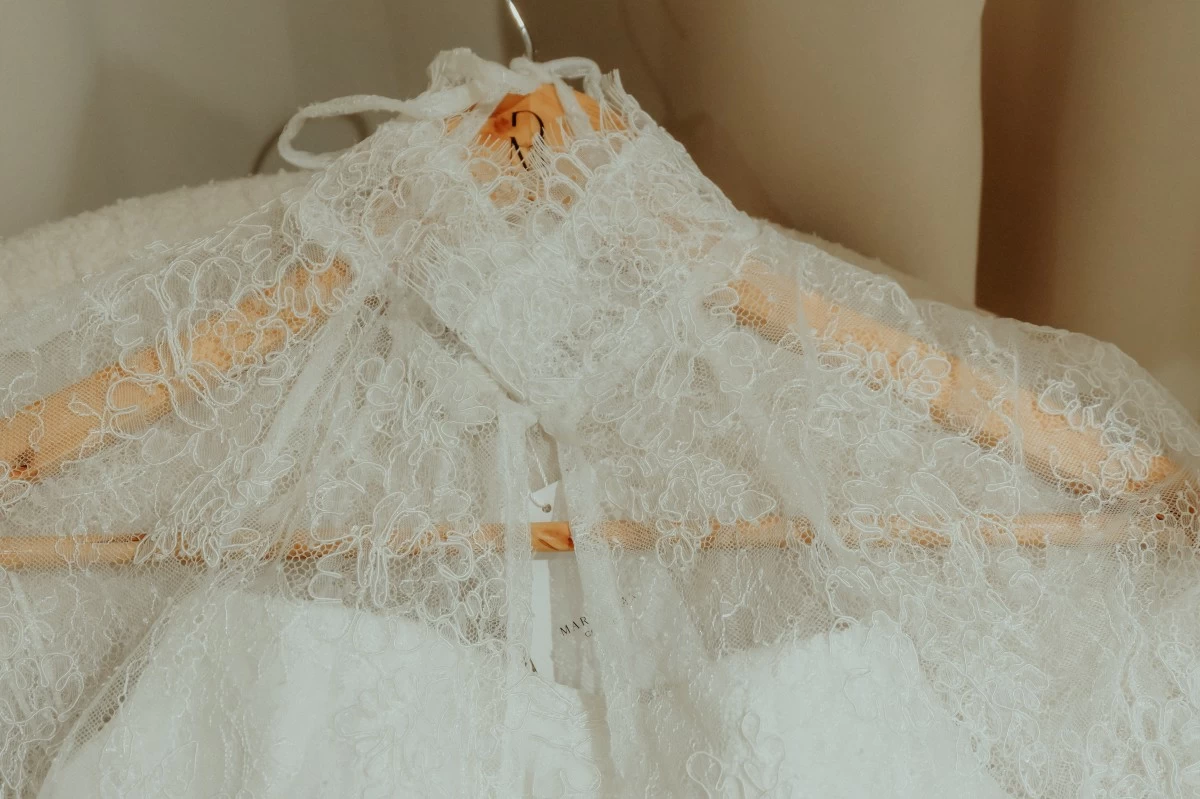
A closer look at the details of the collection
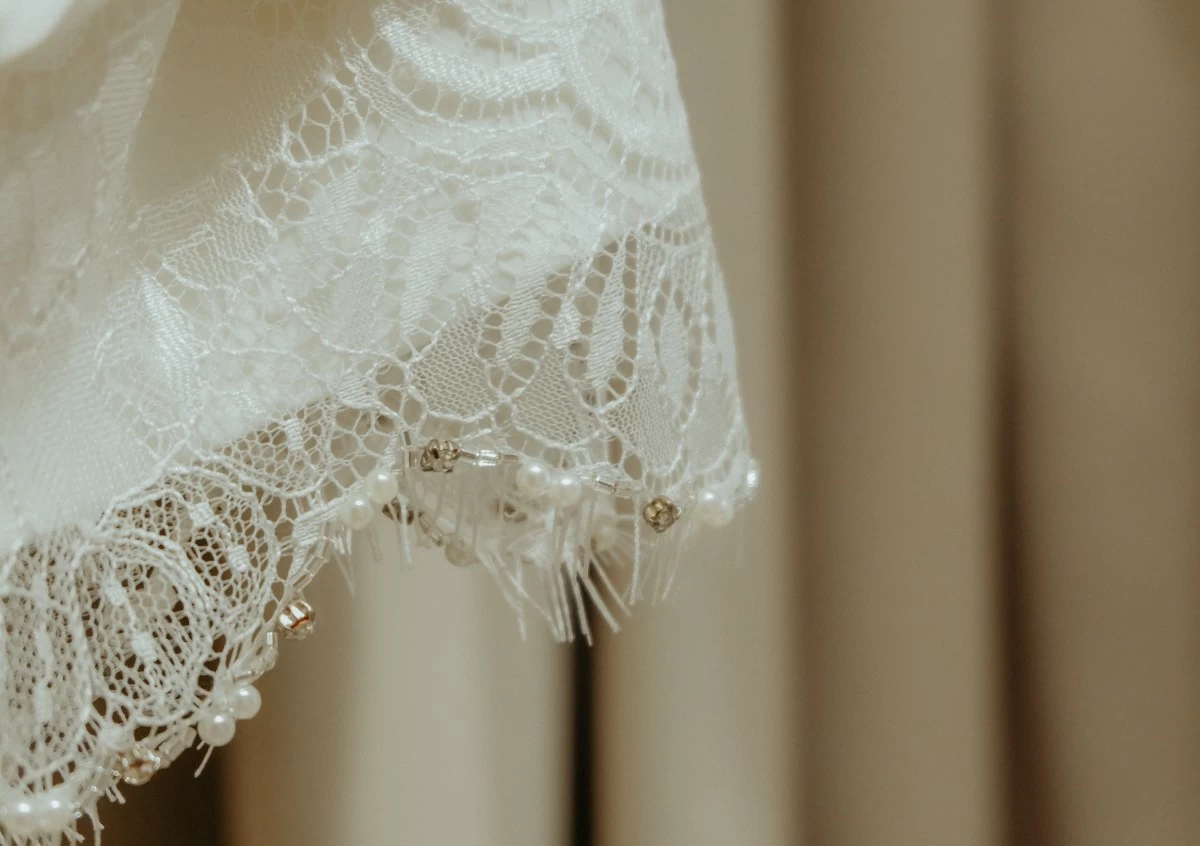
A closer look at the details of the collection
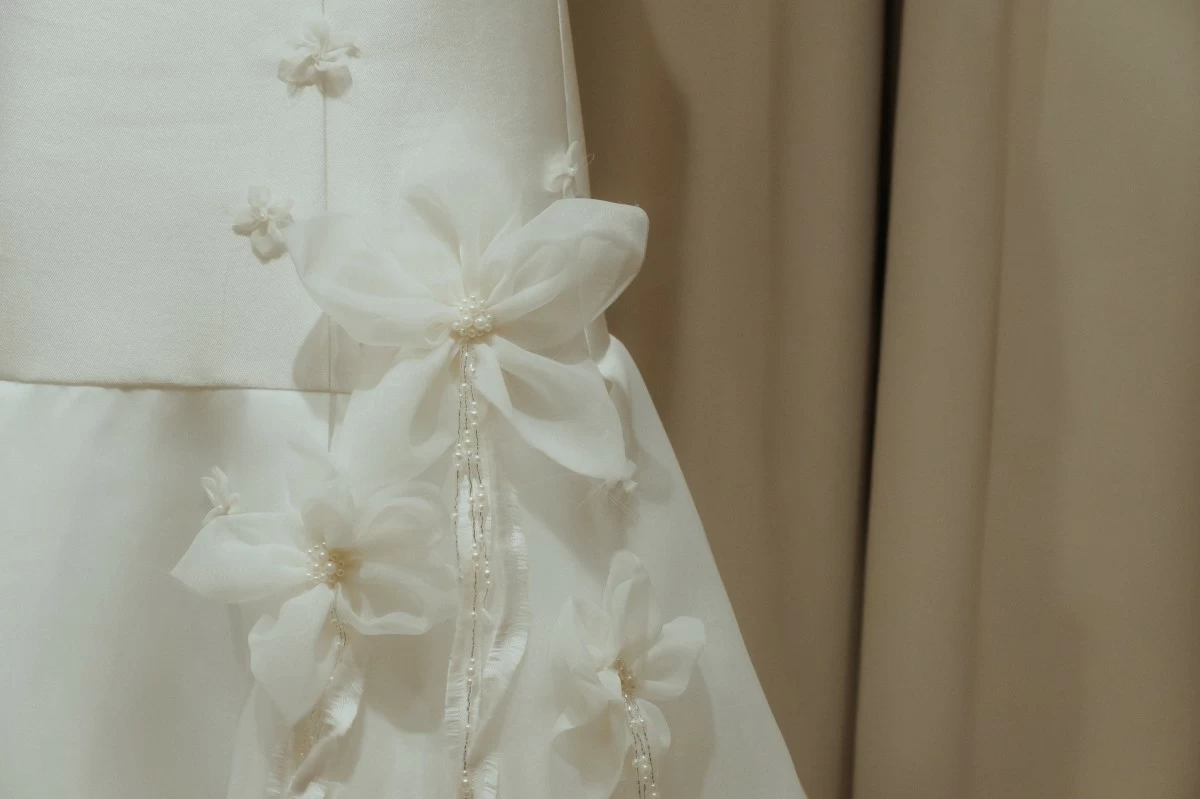
A closer look at the details of the collection
Made to be worn again
Although bridal clothes are traditionally created for one important day, Maria considered how the pieces could remain in a woman’s wardrobe afterward. Tops may be worn with trousers, while skirts can be paired with other pieces.
“Versatility was very important to me,” she says. “Many pieces can be restyled so they can live beyond the wedding day rather than existing as a single-use garment.”
This responds to what Maria has observed during the atelier’s first year. Brides are becoming less focused on grandeur and more interested in meaning, comfort, and versatility. They are also more open to cleaner lines, lighter fabrics, and pieces they can wear again.
The collection makes room for the traditional bride who values timeless elegance, the romantic drawn to softness and floral details, and the contemporary woman who prefers shorter hemlines, separates, or an unexpected silhouette.
One year at the atelier
The anniversary marks a new chapter for Maria, who has spent the past year gaining a better understanding of her clients and becoming more certain of her design identity. “I’ve learned to trust my intuition more. I realized over time that there is strength in creating intentional and personal pieces.”
That confidence can be seen in a collection where the focus remains on cut, movement, fabric, and details carrying personal significance. For Maria, bridal wear brings together memory, identity, and change. “Designing for these moments is not just about creating something beautiful, but about creating something that holds meaning. It’s a privilege to be part of such an important chapter in someone’s life.”