







Marcos raises concern over social media's impact on children


At A Glance
- President Marcos said social media and online platforms are exposing children to harmful content and distorted realities.
- He said the government is expanding digital literacy and cybersecurity initiatives while promoting children's well-being.
- Marcos also warned that disinformation and AI-generated content are undermining public trust and said press freedom must be protected.
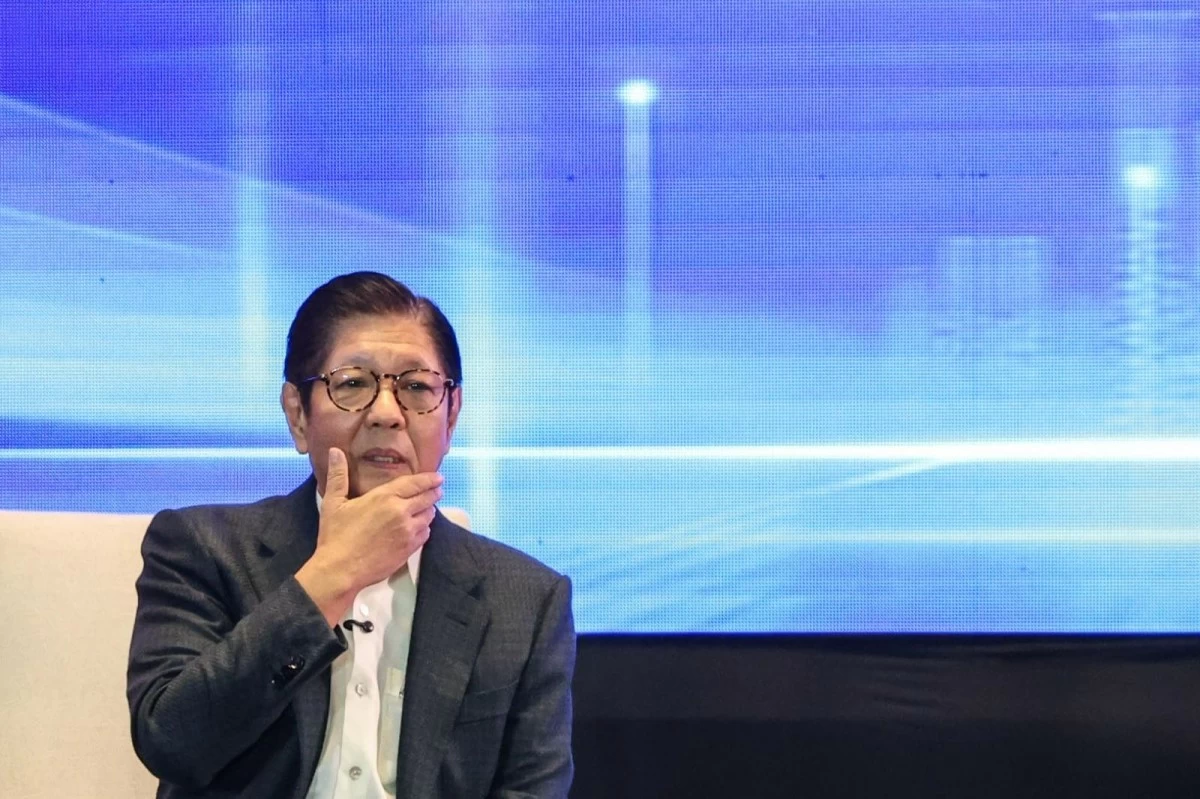
President Marcos has raised concern over the growing influence of social media and online platforms on children, saying young people are increasingly exposed to harmful content and distorted realities while their critical judgment is still developing.
Speaking at the Foreign Correspondents Association of the Philippines (FOCAP) Presidential Luncheon in Manila, Marcos said technology has become an integral part of daily life but also created risks for children who receive information and form opinions online.
“As a parent, I am increasingly mindful of the influence of social media and online platforms on our children,” he said.
Marcos said the government must balance technological innovation with greater responsibility to create a safer digital environment for young Filipinos.
“Innovation must continue, certainly, but so must the responsibility that accompanies it,” he said.
The President noted that the government is expanding digital literacy initiatives, modernizing cybersecurity initiatives, and promoting the holistic well-being of Filipinos while upholding freedom of expression.
Disinformation, AI threats
Marcos also warned that the rapid spread of false and manipulated information, including AI-generated content, is putting public trust under pressure.
He said information, whether true or fabricated, can spread instantly through digital platforms, creating challenges not only for government but also for the media, business, academe, and civil society.
The President stressed that credibility is particularly important for both government and journalists because it serves as the foundation of their work and the basis of public trust.
He noted that the government has launched Oplan Kontra Fake News to protect the public from disinformation and hold its purveyors accountable.
Press freedom pledge
Meanwhile, President Marcos reiterated his commitment to protecting press freedom, saying the role of the President is to defend it rather than diminish it.
“The Philippine government recognizes that a free, independent, and responsible press remains indispensable to any democratic society,” he said.
He said media practitioners, including photojournalists, are government partners in promoting good governance and transparency.
Stronger response to fake news
President Marcos said the government is also strengthening mechanisms to protect journalists and respond to threats in the digital environment.
Through the Presidential Task Force on Media Security, he said the government continues to strengthen legal assistance, coordination, and cybercrime response mechanisms to better protect media practitioners.
He said the government and the media may not always agree, but their shared interest should remain the pursuit of truth.
“The government and the media may not always agree, nor should they,” Marcos said, adding that both sides share an interest in ensuring that facts prevail over speculation and fake news.