







Reining in the power giants
Published Aug 15, 2026 12:05 am
|
Updated Aug 14, 2026 04:32 pm


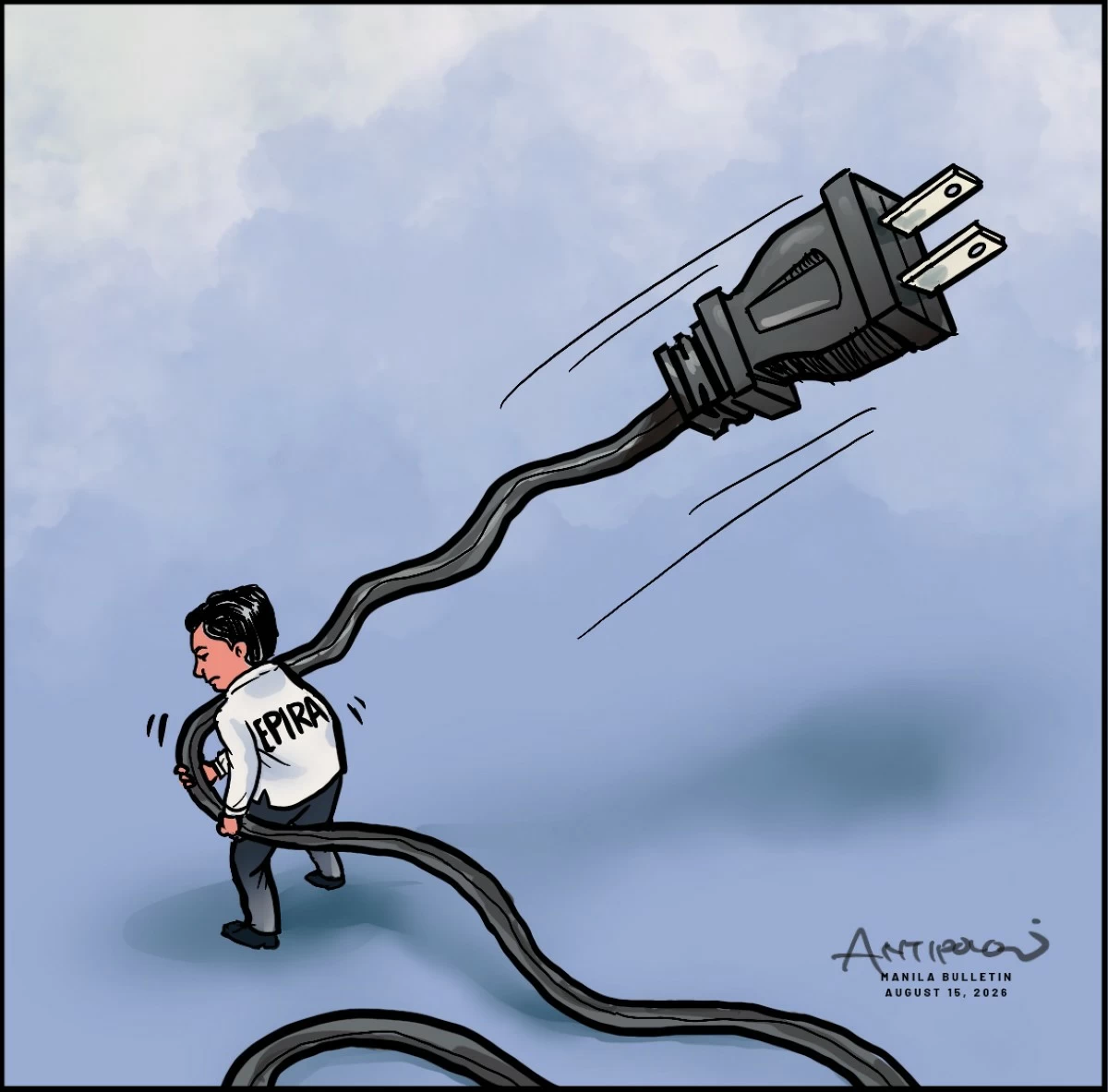
When the Philippines passed the Electric Power Industry Reform Act (EPIRA) in 2001, the promise was to privatize state power assets, unleash open competition, and lower electricity rates for Filipino consumers burdened by some of the highest utility bills in Asia. Twenty-five years later, that promise remains unfulfilled.
Instead of a dynamic energy market, the reform gave rise to a tight corporate oligopoly. According to recent research from the state-run Philippine Institute for Development Studies (PIDS), just five conglomerates control roughly 85 percent of the country’s installed generation capacity—with the two largest groups accounting for 43 percent alone.
As President Marcos and lawmakers move to amend the two-decade-old law, the government must admit that the original EPIRA rules failed to stop market concentration, and consumers pay for that failure every month. If Congress wants to lower power costs and protect the grid, it must use the pending EPIRA amendments to tighten competition safeguards, overhaul regulatory oversight, and close the loopholes that allow power giants to police themselves.
The core issue comes down to how EPIRA defined market caps. On paper, the generation sector looks reasonably competitive because a long tail of small suppliers dilutes the math. But in reality, a handful of mega-conglomerates hold all the leverage. The PIDS paper points out that these incumbents often act as “pivotal suppliers”—meaning their plants must run to meet peak demand, giving them outsized influence over spot market prices. To make matters worse, these same fossil-fuel giants are moving quickly to lock down renewable energy projects, threatening to block new competitors as the country shifts toward clean power.
Fixing this requires targeting the ways power companies pass costs onto everyday customers. The most glaring conflict of interest occurs when a power distributor buys electricity from its own sister company. Current rules allow a utility to source up to 50 percent of its power from affiliated generators. That threshold is far too loose, offering virtually no protection against self-dealing and inflated pricing.
Lawmakers should back proposals like Senate Bill 1950, which applies the strict definition of corporate “control” established by the Philippine Competition Act. Crucially, the antitrust watchdog—the Philippine Competition Commission—should lead investigations into unfair business practices, while the Energy Regulatory Commission (ERC) focuses on penalizing offenders based on those findings.
Of course, better rules will not matter if the referee lacks teeth. The ERC has struggled for years with backlogs, regulatory capture, and shortage of technical expertise. Congress should raise the maximum fine for anti-competitive behavior from a harmless ₱50 million to half a billion pesos, index it to inflation, and require companies to refund consumers. Penalties must actually hurt the corporate balance sheet rather than serve as a minor cost of doing business. Adding a dedicated economist to the commission and setting firm deadlines for decisions would also help clear the backlog.
At the same time, lawmakers must avoid taking steps backward. Proposals to let the state-owned National Power Corp. build and operate power plants nationwide risk driving away private capital, warping market prices, and sticking taxpayers with the bill. State power generation should remain strictly limited to off-grid areas and islands where private companies refuse to go.
EPIRA was originally written to dismantle a slow and expensive state monopoly, but it has created a private cartel instead. By adopting the practical reforms put forward by PIDS, Congress has a chance to fix this broken system. It is time to rewrite the rules so the power sector serves the public rather than a few powerful business interests.