






Manila Bulletin
 Philippines
National
Prosecution makes case for public chat on trial before Escudero hands down crucial ruling
Philippines
National
Prosecution makes case for public chat on trial before Escudero hands down crucial ruling
Philippines
National
Prosecution makes case for public chat on trial before Escudero hands down crucial ruling
Prosecution makes case for public chat on trial before Escudero hands down crucial ruling
Published Aug 15, 2026 01:26 pm


At A Glance
- House prosecutors warn that a gag order on Vice President Sara Duterte's impeachment trial would harm public understanding and fuel misinformation.
- Reps. Terry Ridon and Joel Chua stress impeachment is a matter of public interest, saying evidence must be explained openly to citizens.
- Robert Ace Barbers and Zia Alonto Adiong caution that spliced videos and selective clips pose greater risks than responsible commentary, urging transparency to protect truth and context.
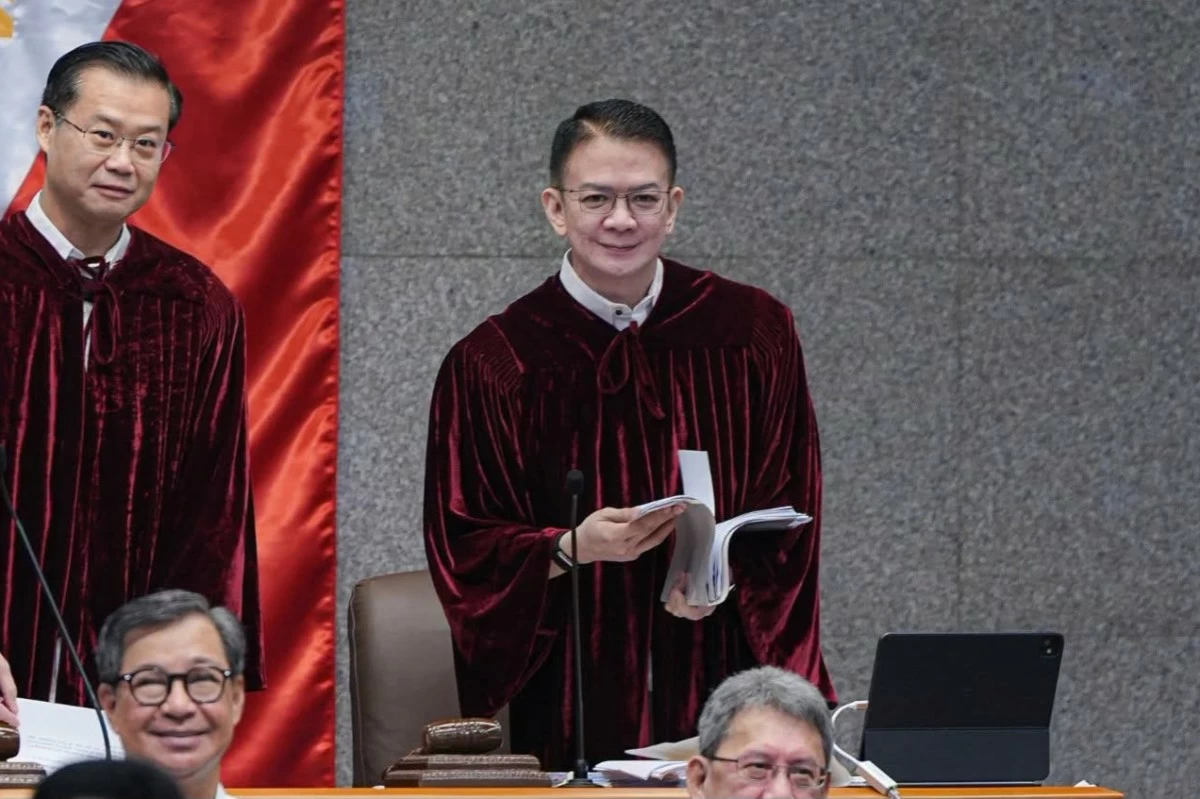
Presiding officer Senator-judge Francis "Chiz" Escudero (Facebook)
Filipinos would certainly be on the losing end should a gag order on public pronouncements about Vice President Sara Duterte's Senate impeachment trial get imposed.
House prosecution members and spokespersons stated this in no uncertain terms even as they await presiding officer Senator-judge Francis "Chiz" Escudero's ruling on the matter this coming Monday, Aug. 17.
While they would respect whatever decision the Senate impeachment court would have, solon-prosecutors Bicol Saro Party-list Rep. Terry Ridon and Manila 3rd district Rep. Joel Chua are still compelled to favor a non-restictive public discussion on the impeachment.
Fake news explosion?
The contrary could open the floodgates for fake news, they warned.
“The further you restrict official communications by the defense, the prosecution, and the court itself, dyan po nagkakaroon ng (there could be a) vacuum for misinformation, disinformation, fake news,” Ridon said.
He said the clear line should be against fake news, misinformation, and disinformation—not legitimate explanations of what actually transpired in open court.
“It does not serve the interest of the public pagka po magkakaroon ng further restrictions on trying to explain to the public yung pong pagtakbo ng mga proceedings po na ito,” Ridon said.
(It does not serve the interest of the public if there are further restrictions on trying to explain to the public how these proceedings are being conducted.)
“Every piece of evidence, technical man ito, ay dapat na ipapaliwanag ng bawat partido, ng depensa, ng prosekusyon, kahit ng korte mismo sa ating pong taong-bayan,” he noted.
(Every piece of evidence, whether technical or not, should be explained by each party—the defense, the prosecution, even the court itself—to our people.)
While Chua acknowledged that the prosecution is bound by the Senate impeachment rules, he said some flexibility should be allowed so the public can better understand what is happening inside the impeachment court.
“Ang impeachment kasi, this is imbued with public interest. Bakit po namin sinabing public interest? Unang-una, ito po nasasakdal o yung subject po ng impeachment ay public official na hinalal ng taong-bayan," Chua said.
(Impeachment is imbued with public interest. Why do we say public interest? First of all, the subject of impeachment is a public official elected by the people.)
“Kung hindi naman namin maipapaliwanag, lalong-lalo na po kami na nasa prosecution, kasi kami ang nakita ng kabuuan ng presentasyon ng ebidensya. Kung hindi naman namin ito maipapaliwanag nang maayos sa ating mga kababayan, ay baka hindi rin nila maunawaan kung ano po talaga ang nangyayari sa loob po ng impeachment court,” he said.
(If we, especially those of us in the prosecution who have seen the entirety of the evidence presentation, cannot explain this properly to our fellow citizens, then they might not understand what is really happening inside the impeachment court.)
Ridon says press briefings, media interviews, and social media posts by the prosecution are intended to help Filipinos understand the often technical proceedings and the evidence presented before the court.
Currently, the House prosecution panel conducts near daily press conferences on the high-stakes trial against Duterte based on four articles of impeachment.
Spliced videos are more dangerous
Aside from the prosecutors themselves, spokesperson Lanao del Sur 1st district Rep. Zia Alonto Adiong and Robert Ace Barbers have been fixtures in these daily briefings. They agree that restricted discussions isn't the way to go.
The two also expressed great concern over the spread of what they described as “spliced videos” on social media about the impeachment trial.
Adiong said the so-called sub judice rule should not be enforced selectively against either the prosecution or defense.
Barbers said these short edited video clips and selective excerpts of the hearings pose a greater danger to public understanding than responsible commentary from the parties in the trial.
"When testimony is taken out of context, the public is left with only half the story. Selective content can easily distort the evidence and create false narratives that spread much faster than the truth," the ex-solon from Mindanao said.
He stressed that impeachment proceedings should be evaluated based on the totality of the evidence presented before the Senate and not on isolated sound bites designed to generate online engagement or political advantage.
"The impeachment trial is a constitutional process of immense national importance. It should be decided on facts and evidence presented before the Senate—not by viral posts, selective video clips, or online misinformation," he said.
"The public deserves the truth in its full context, and every participant in the national conversation shares the responsibility of protecting it," Barbers added.