






Manila Bulletin
 Property and Living
Camella marks nearly 50 years of weaving PH's largest residential footprint
Property and Living
Camella marks nearly 50 years of weaving PH's largest residential footprint
Property and Living
Camella marks nearly 50 years of weaving PH's largest residential footprint
Camella marks nearly 50 years of weaving PH's largest residential footprint
Published Aug 15, 2026 10:23 pm


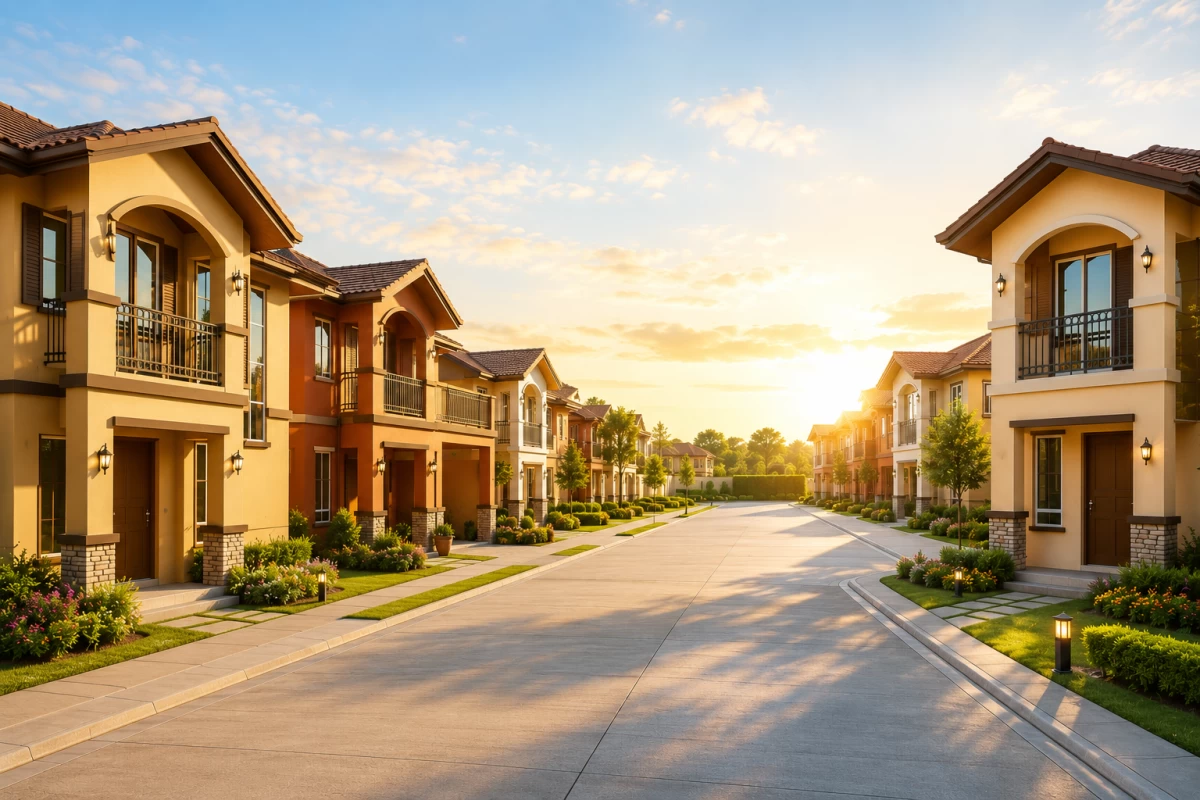
Built to evolve alongside Filipino families, Camella’s multigenerational homes offer dedicated spaces where different generations experience both personal peace and meaningful connection under one roof. (Photo: Camella Homes)
Every Filipino family begins with fibers of faith and forward-looking purpose. Each member carries personal plans, private promises, and particular responsibilities, yet every life and livelihood is linked by love, loyalty, and lasting belonging.
For overseas Filipinos, devotion transcends physical distance as hard work abroad secures a steadier future at home. At the center of this sacrifice is a singular aspiration: a permanent address in the Philippines where family bonds remain rooted. Celebrating its 49th anniversary, Camella honors these resilient families who laid its foundation. As the nation’s most trusted and preferred housing brand, Camella continues to build communities that thread trust, celebrate reunions, and preserve a legacy of progress for generations to come.
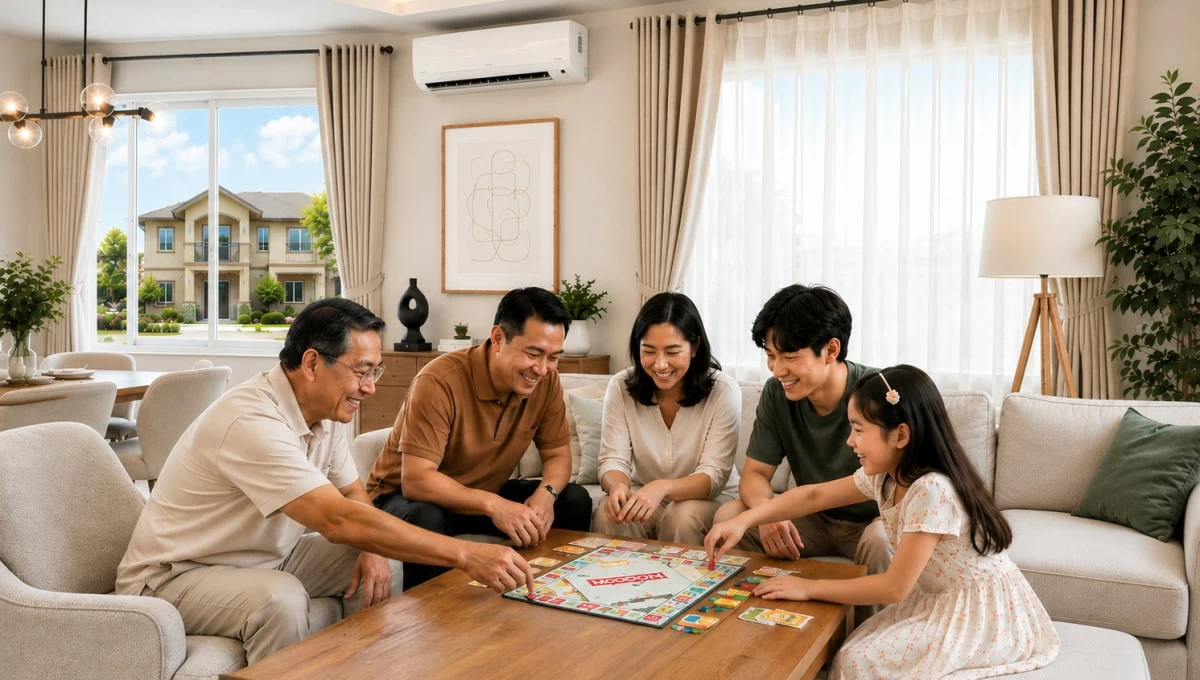
From grandparents to grandchildren, Camella creates spaces where traditions are honored, milestones are celebrated, and family bonds are strengthened every day. (Photo: Camella Homes)
Fibers of fortitude
A home represents more than a major milestone for overseas Filipinos: it proves that patient planning can lead to permanence. It becomes a place prepared for homecomings, holidays, and hopeful beginnings, where children can grow with stability and parents can enjoy peace, privacy, and protection.These individual intentions formed the first threads of Camella. Every family brought a different background, budget, and blueprint for better living, yet each believed that a home should strengthen relationships, support responsibilities, and sustain life’s seasons and stages.
For nearly five decades, Camella has studied shifting housing needs and shaped suitable solutions. It has built homes for starting couples, growing families, returning overseas Filipinos, and multigenerational households sharing one address. Personal plans became a collective commitment to accessible, assured lifelong homeownership.
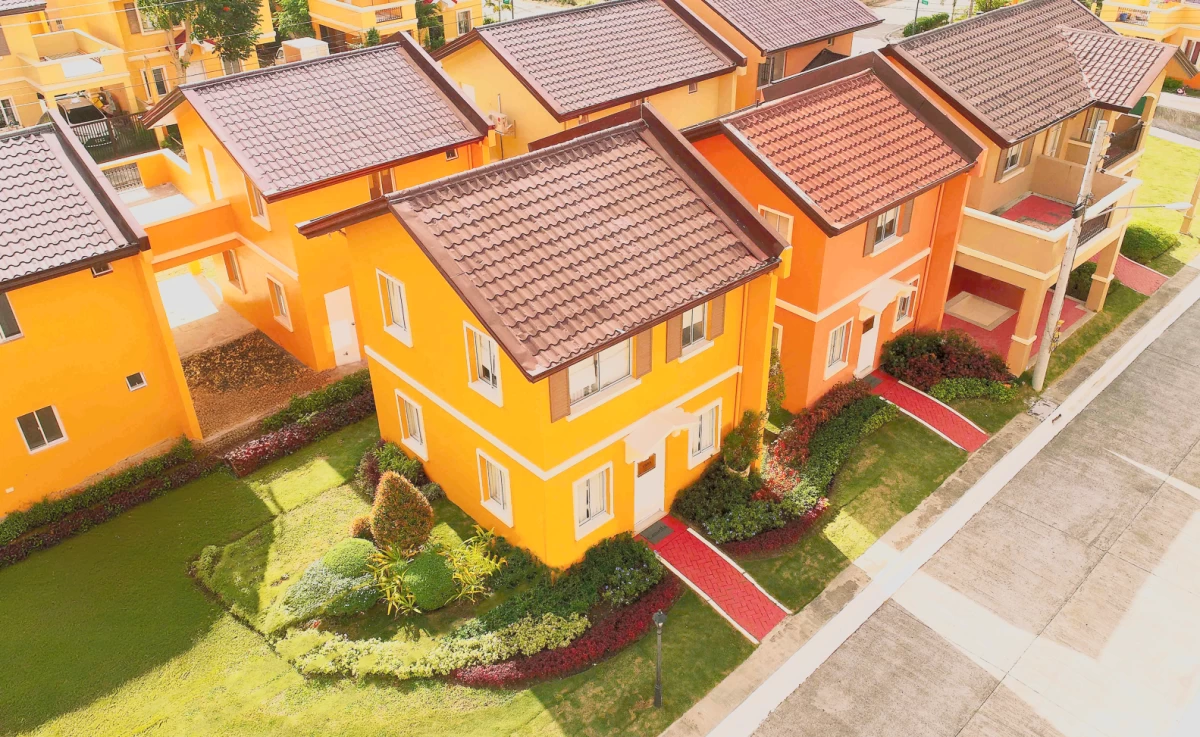
Across the Philippines, Camella communities bring families together in thoughtfully planned neighborhoods where comfort, connections, and careers grow side by side. (Photo: Camella Homes)
Threads of trust
For 49 years, Camella has tied sacrifice to security, linking years of labor with livable spaces where aspirations become rewarding realities. Families choose Camella for the confidence that their investment belongs to a flagship housing brand built on consistency, credibility, and continuing care. This connection extends beyond house-and-lot properties, bridging residents and overseas Filipinos closer to hometowns, growth corridors, regional capitals, and metropolitan centers where loved ones could settle safely and participate meaningfully in local progress.Through changing circumstances, Camella remained interwoven with the Filipino pursuit of a forever home: a place where families can begin boldly, build responsibly, and belong completely.
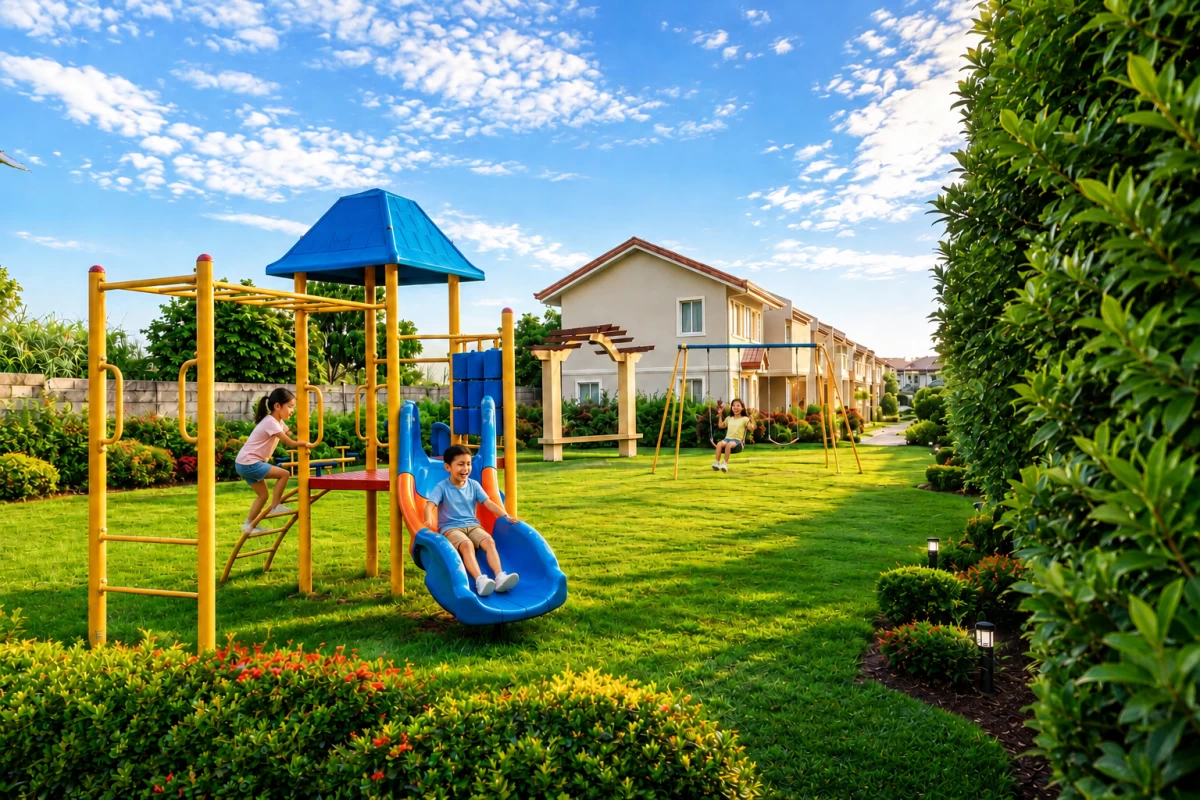
Beyond the home, Camella communities provide vibrant amenities and shared spaces that bring neighbors together, foster active lifestyles, and enrich everyday life. (Photo: Camella Homes)
A fabric of the Filipino future
As more families found forever homes, individual threads wove into a broader fabric of communities across the country.Today, Camella has built over 600,000 homes in 1,250 communities, spanning 49 provinces and 147 cities and municipalities. This scale has created an unparalleled presence across tourism destinations, urban centers, and infralink projects, establishing Camella as the country’s largest homebuilder and a feature of the national homeownership narrative.
Each property contributes to the wider fabric of Philippine society, where homes build neighborhoods that encourage enterprise and cultivate mutual responsibility. As infrastructure, schools, and commercial hubs rise around these developments, families gain seamless access to employment and essential services.
This societal fabric strengthens across generations, as children raised in Camella become the next generation of property owners, turning individual household achievements into a lasting legacy of progress and prosperity.

For overseas Filipinos, years of sacrifice abroad are woven into a lasting dream—a forever home where reunions turn into lifelong memories and loved ones build their future together. (Photo: Camella Homes)
A tapestry for tomorrow
Camella looks beyond the communities it has completed through nearly five decades to the continuing lives its homes must continue to support. Its enduring enterprise responds to emerging experiences, evolving expectations, and the everyday essentials of Filipino households.As families evolve, modern households require flexible spaces that balance private sanctuaries with shared celebrations. Camella meets this shifting dynamic with contemporary, future-ready house models designed for multi-generational living. These adaptable layouts accommodate every life stage, allowing family members to enjoy personal independence while maintaining meaningful connection under one roof.
The tapestry of Camella continues through families finding firm foundations, overseas Filipinos turning distant duty into dependable dwellings, and succeeding generations inheriting homes. Camella carries its legacy of value forward—interweaving fibers of fortitude, threads of trust, nationwide neighborhoods, and forward-looking living for Filipinos.
To know more about Camella communities nationwide, visit www.camella.com.ph and follow @CamellaOfficial.