

ADVERTISEMENT

Why your child understands Filipino but hesitates to speak it

For Buwan ng Wika, reading intervention specialist Daisy Calado shares how families can build children's confidence without making them afraid of mistakes

Published Aug 14, 2026 11:54 am
When my husband picked up our sons from school one afternoon, he noticed the guards speaking to the students in English. It surprised him. The school was also his alma mater, and he remembered Filipino being commonly spoken on campus. A guard explained that some students now had difficulty speaking and understanding Filipino, so they had learned to adjust.

(Artwork: Nancy Marie Andam)
This is not uncommon. A child may understand a question in Filipino but answer in English. Another may recognize a word but become shy when asked to say it aloud. This does not always mean a lack of interest in the language. Sometimes, it comes from a fear of making mistakes.
Daisy Jane C. Calado, a reading intervention specialist for 20 years and center director of ReadPlusPH, a learning center that helps children improve their reading skills in English and Filipino, says some children grow up thinking Filipino is difficult, particularly because many of its words seem long and unfamiliar.
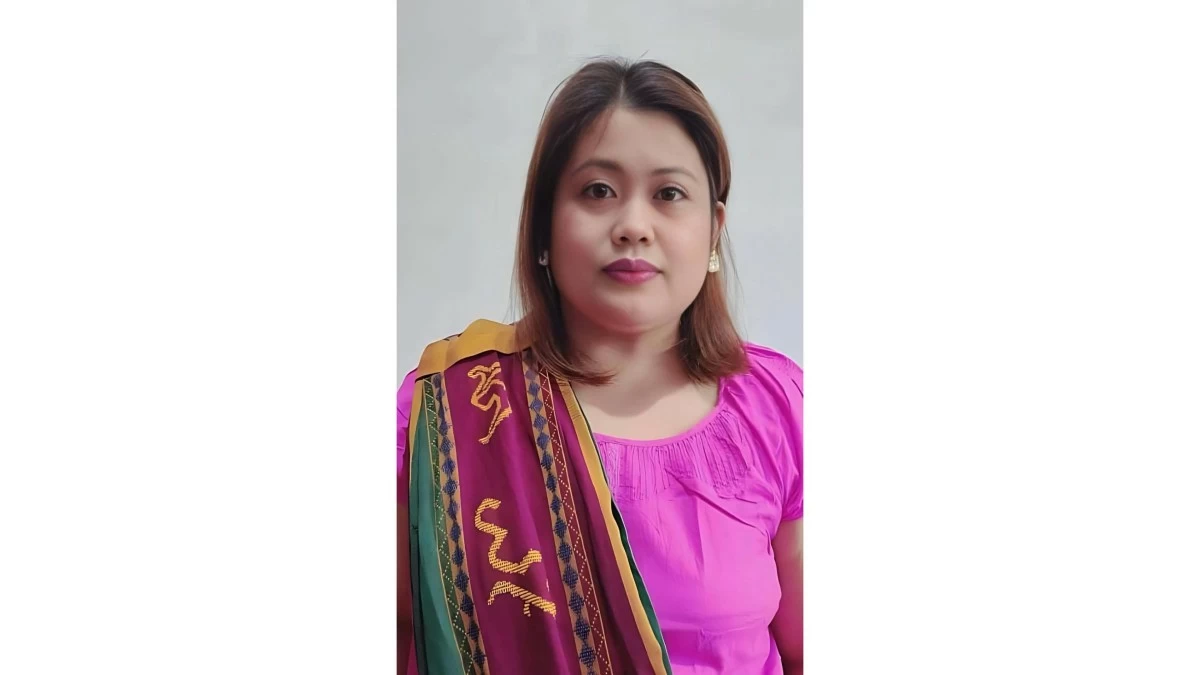
Daisy Jane C. Calado
Their confidence may also be affected by how others react when they try to speak or read the language. “Most of the time, it involves people laughing at slang or how someone reads or speaks unfamiliar words,” she tells Manila Bulletin Lifestyle. “This creates a stigma that they are doing it wrong, causing them to fear trying again to avoid being judged.”
Take away the fear of mistakes
A child may become more hesitant when others laugh at their accent, pronunciation, choice of words, or the way they read an unfamiliar passage. Instead of pointing out an error or asking the child to repeat a word in front of everyone, an adult can pronounce it correctly and invite the child to try again. “Beyond the rudiments and technicalities of the language, modeling and encouragement are two vital elements,” Daisy says.
Bring Filipino into everyday life
Filipino can be introduced without immediately turning it into a lesson. Daisy suggests starting with familiar games and rhymes. The hand-clapping game “Nanay, Tatay,” for example, introduces words for family members and household chores. The movement and rhythm make the words easier to remember, while the subject is already familiar to many children.
Age-appropriate Filipino shows about the environment, culture, and everyday experiences can also help. Interviews with Filipino athletes, artists, professionals, and other personalities allow children to hear the language spoken naturally by people they admire. In this way, Filipino is no longer associated only with homework, tests, memorization, and correction. It becomes part of stories, songs, food, sports, and conversations at home.
Families do not have to speak Filipino in every exchange. They can begin with greetings, names of familiar objects, short questions, songs, or one conversation during the day. What’s important is to give children regular opportunities to listen and respond without making each exchange feel like a test.
Choose books children can read
The right reading material can make Filipino less intimidating. Decodable books build on letter-sound patterns children already know, while the Marungko Sequence introduces sounds in a planned order rather than alphabetically.
Daisy co-wrote Lampara Books’ “Decodable Comics for Fluency,” which includes 150 books each in Filipino and English. The Filipino set progresses from simple texts to multisyllabic and frequently used words. The stories also draw from Filipino heritage and children’s everyday experiences, helping them learn about the language and culture as they read.
Consider the learner’s age
A teenager beginning to learn Filipino should not be treated like a preschooler, even if they are at a similar language level. Explain how the lessons can be useful and give older children a say in what and how they learn. Younger children may respond better to books, games, songs, and regular exposure.
Someone who is not fluent should never be made to feel less Filipino. Learning a language takes time, and progress will not be the same for everyone. Daisy recommends being honest that learning Filipino, like any language, can be difficult. Rather than expecting immediate fluency, adults can recognize each learner’s effort and remind them that laughing at someone who is still learning is never acceptable.
Appreciation for Filipino should not be limited to Buwan ng Wika. At home, families can continue sharing the language through games, local stories, songs, conversations, and traditional dishes.

Related Tags

Parenting Buwan ng Panitikang Filipino reading campaign reading
ADVERTISEMENT
.most-popular .layout-ratio{ padding-bottom: 79.13%; } @media (min-width: 768px) and (max-width: 1024px) { .widget-title { font-size: 15px !important; } }

{{ articles_filter_1561_widget.title }}

.most-popular .layout-ratio{ padding-bottom: 79.13%; } @media (min-width: 768px) and (max-width: 1024px) { .widget-title { font-size: 15px !important; } }

{{ static_articles_1562_widget.title }}

.most-popular .layout-ratio{ padding-bottom: 79.13%; } @media (min-width: 768px) and (max-width: 1024px) { .widget-title { font-size: 15px !important; } }

{{ articles_filter_1563_widget.title }}

{{ articles_filter_1564_widget.title }}

.mb-article-details { position: relative; } .mb-article-details .article-body-preview, .mb-article-details .article-body-summary{ font-size: 17px; line-height: 30px; font-family: "Libre Caslon Text", serif; color: #000; } .mb-article-details .article-body-preview iframe , .mb-article-details .article-body-summary iframe{ width: 100%; margin: auto; } .read-more-background { background: linear-gradient(180deg, color(display-p3 1.000 1.000 1.000 / 0) 13.75%, color(display-p3 1.000 1.000 1.000 / 0.8) 30.79%, color(display-p3 1.000 1.000 1.000) 72.5%); position: absolute; height: 200px; width: 100%; bottom: 0; display: flex; justify-content: center; align-items: center; padding: 0; } .read-more-background a{ color: #000; } .read-more-btn { padding: 17px 45px; font-family: Inter; font-weight: 700; font-size: 18px; line-height: 16px; text-align: center; vertical-align: middle; border: 1px solid black; background-color: white; } .hidden { display: none; }
function initializeAllSwipers() { // Get all hidden inputs with cms_article_id document.querySelectorAll('[id^="cms_article_id_"]').forEach(function (input) { const cmsArticleId = input.value; const articleSelector = '#article-' + cmsArticleId + ' .body_images'; const swiperElement = document.querySelector(articleSelector); if (swiperElement && !swiperElement.classList.contains('swiper-initialized')) { new Swiper(articleSelector, { loop: true, pagination: false, navigation: { nextEl: '#article-' + cmsArticleId + ' .swiper-button-next', prevEl: '#article-' + cmsArticleId + ' .swiper-button-prev', }, }); } }); } setTimeout(initializeAllSwipers, 3000); const intersectionObserver = new IntersectionObserver( (entries) => { entries.forEach((entry) => { if (entry.isIntersecting) { const newUrl = entry.target.getAttribute("data-url"); if (newUrl) { history.pushState(null, null, newUrl); let article = entry.target; // Extract metadata const author = article.querySelector('.author-section').textContent.replace('By', '').trim(); const section = article.querySelector('.section-info ').textContent.replace(' ', ' '); const title = article.querySelector('.article-title h1').textContent; // Parse URL for Chartbeat path format const parsedUrl = new URL(newUrl, window.location.origin); const cleanUrl = parsedUrl.host + parsedUrl.pathname; // Update Chartbeat configuration if (typeof window._sf_async_config !== 'undefined') { window._sf_async_config.path = cleanUrl; window._sf_async_config.sections = section; window._sf_async_config.authors = author; } // Track virtual page view with Chartbeat if (typeof pSUPERFLY !== 'undefined' && typeof pSUPERFLY.virtualPage === 'function') { try { pSUPERFLY.virtualPage({ path: cleanUrl, title: title, sections: section, authors: author }); } catch (error) { console.error('ping error', error); } } // Optional: Update document title if (title && title !== document.title) { document.title = title; } } } }); }, { threshold: 0.1 } ); function showArticleBody(button) { const article = button.closest("article"); const summary = article.querySelector(".article-body-summary"); const body = article.querySelector(".article-body-preview"); const readMoreSection = article.querySelector(".read-more-background"); // Hide summary and read-more section summary.style.display = "none"; readMoreSection.style.display = "none"; // Show the full article body body.classList.remove("hidden"); } document.addEventListener("DOMContentLoaded", () => { let loadCount = 0; // Track how many times articles are loaded const offset = [1, 2, 3, 4, 5, 6, 7, 8, 9, 10]; // Offset values const currentUrl = window.location.pathname.substring(1); let isLoading = false; // Prevent multiple calls if (!currentUrl) { console.log("Current URL is invalid."); return; } const sentinel = document.getElementById("load-more-sentinel"); if (!sentinel) { console.log("Sentinel element not found."); return; } function isSentinelVisible() { const rect = sentinel.getBoundingClientRect(); return ( rect.top < window.innerHeight && rect.bottom >= 0 ); } function onScroll() { if (isLoading) return; if (isSentinelVisible()) { if (loadCount >= offset.length) { console.log("Maximum load attempts reached."); window.removeEventListener("scroll", onScroll); return; } isLoading = true; const currentOffset = offset[loadCount]; window.loadMoreItems().then(() => { let article = document.querySelector('#widget_1690 > div:nth-last-of-type(2) article'); intersectionObserver.observe(article) loadCount++; }).catch(error => { console.error("Error loading more items:", error); }).finally(() => { isLoading = false; }); } } window.addEventListener("scroll", onScroll); });

Sign up by email to receive news.