

ADVERTISEMENT

Championing emerging Filipino filmmakers through mobile storytelling

Published Aug 14, 2026 06:02 pm

At A Glance

  • Film director Maki Javier launches KayaFlix, a Filipino streaming platform devoted to vertical-format teleseryes while giving emerging filmmakers a new home for their stories.
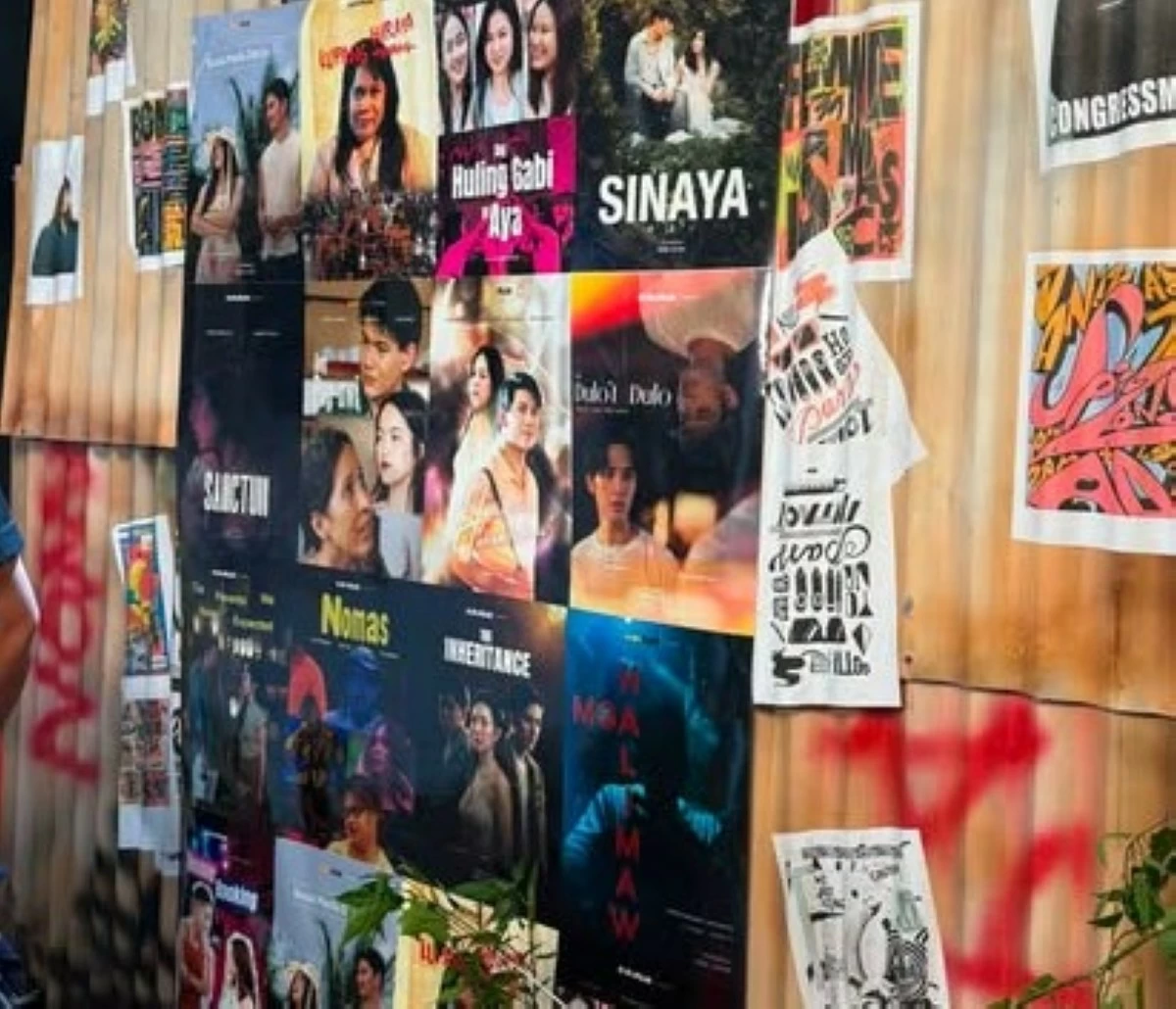
It all started with a question: What happens to good stories after the applause dies down?

The question came to film director Maki Javier while he was sitting as a judge at a student film festival at Bulacan State University.

Javier was impressed by the films, the ideas, the craft and the young filmmakers behind them. But as the festival came to an end, he began thinking about what would happen to those stories once the screenings were over.

Would anyone get to see them again?

Javier said, “I realized they deserved more than a single screening. They deserved a home."

The question lingered.

Then Javier began noticing something that was becoming increasingly difficult to ignore. Filipinos were almost always on their phones.

During commutes, while waiting for a ride, over lunch or simply passing time, people were scrolling, watching and catching up on whatever held their attention. 

Javier saw an opening.

If emerging filmmakers needed an audience and audiences were already spending so much of their time on their phones, perhaps the two could meet on the same platform.

But that raised another question: What would make Filipinos stop scrolling and actually stay to watch?

Javier went back to something Filipinos have been watching for generations, the teleserye.

For all the changes in technology and viewing habits, the teleserye remains a familiar part of Filipino entertainment, built around the things that continue to draw audiences in: love, family, conflict, humor, heartbreak and stories that feel close to home.

That became the foundation of KayaFlix.

The Filipino startup is a streaming platform devoted exclusively to vertical-format storytelling, with original Filipino teleseryes produced specifically for smartphone viewing.

Instead of adapting traditional television productions to a vertical screen, KayaFlix creates its stories with the format in mind from the very beginning.

“Technology continues to change the way we watch, but it should never change the heart of Filipino storytelling,” Javier said. “Our goal is to preserve that heart while presenting it in a format that today's audiences naturally embrace.”

The result is an attempt to marry the familiarity of the Filipino teleserye with the way people now consume content, on a screen they carry with them everywhere.

But KayaFlix is not stopping at giving viewers a new way to watch.

The platform also hopes to give emerging filmmakers a place to grow. In particular, it wants to give student filmmakers an opportunity to reach audiences beyond the festival circuit, classrooms and thesis screenings where many of their works are first seen.

KayaFlix plans to work with academic institutions across the country, opening opportunities for young directors, writers, editors, cinematographers and producers to have their work discovered by a wider Filipino audience.

For Javier, who grew up in the province, that also means looking beyond Metro Manila and the industry's established production centers for the country's next generation of storytellers.

What began with Javier wondering where student films go after the applause has now become an attempt to answer another question: Can the Filipino teleserye find a new life on the vertical screen? We’ll have to wait and see.

Related Tags

KayaFlix Maki Javier Filipino teleserye vertical streaming vertical video Filipino streaming platform
ADVERTISEMENT
.most-popular .layout-ratio{ padding-bottom: 79.13%; } @media (min-width: 768px) and (max-width: 1024px) { .widget-title { font-size: 15px !important; } }

{{ articles_filter_1561_widget.title }}

.most-popular .layout-ratio{ padding-bottom: 79.13%; } @media (min-width: 768px) and (max-width: 1024px) { .widget-title { font-size: 15px !important; } }

{{ static_articles_1562_widget.title }}

.most-popular .layout-ratio{ padding-bottom: 79.13%; } @media (min-width: 768px) and (max-width: 1024px) { .widget-title { font-size: 15px !important; } }

{{ articles_filter_1563_widget.title }}

{{ articles_filter_1564_widget.title }}

.mb-article-details { position: relative; } .mb-article-details .article-body-preview, .mb-article-details .article-body-summary{ font-size: 17px; line-height: 30px; font-family: "Libre Caslon Text", serif; color: #000; } .mb-article-details .article-body-preview iframe , .mb-article-details .article-body-summary iframe{ width: 100%; margin: auto; } .read-more-background { background: linear-gradient(180deg, color(display-p3 1.000 1.000 1.000 / 0) 13.75%, color(display-p3 1.000 1.000 1.000 / 0.8) 30.79%, color(display-p3 1.000 1.000 1.000) 72.5%); position: absolute; height: 200px; width: 100%; bottom: 0; display: flex; justify-content: center; align-items: center; padding: 0; } .read-more-background a{ color: #000; } .read-more-btn { padding: 17px 45px; font-family: Inter; font-weight: 700; font-size: 18px; line-height: 16px; text-align: center; vertical-align: middle; border: 1px solid black; background-color: white; } .hidden { display: none; }
function initializeAllSwipers() { // Get all hidden inputs with cms_article_id document.querySelectorAll('[id^="cms_article_id_"]').forEach(function (input) { const cmsArticleId = input.value; const articleSelector = '#article-' + cmsArticleId + ' .body_images'; const swiperElement = document.querySelector(articleSelector); if (swiperElement && !swiperElement.classList.contains('swiper-initialized')) { new Swiper(articleSelector, { loop: true, pagination: false, navigation: { nextEl: '#article-' + cmsArticleId + ' .swiper-button-next', prevEl: '#article-' + cmsArticleId + ' .swiper-button-prev', }, }); } }); } setTimeout(initializeAllSwipers, 3000); const intersectionObserver = new IntersectionObserver( (entries) => { entries.forEach((entry) => { if (entry.isIntersecting) { const newUrl = entry.target.getAttribute("data-url"); if (newUrl) { history.pushState(null, null, newUrl); let article = entry.target; // Extract metadata const author = article.querySelector('.author-section').textContent.replace('By', '').trim(); const section = article.querySelector('.section-info ').textContent.replace(' ', ' '); const title = article.querySelector('.article-title h1').textContent; // Parse URL for Chartbeat path format const parsedUrl = new URL(newUrl, window.location.origin); const cleanUrl = parsedUrl.host + parsedUrl.pathname; // Update Chartbeat configuration if (typeof window._sf_async_config !== 'undefined') { window._sf_async_config.path = cleanUrl; window._sf_async_config.sections = section; window._sf_async_config.authors = author; } // Track virtual page view with Chartbeat if (typeof pSUPERFLY !== 'undefined' && typeof pSUPERFLY.virtualPage === 'function') { try { pSUPERFLY.virtualPage({ path: cleanUrl, title: title, sections: section, authors: author }); } catch (error) { console.error('ping error', error); } } // Optional: Update document title if (title && title !== document.title) { document.title = title; } } } }); }, { threshold: 0.1 } ); function showArticleBody(button) { const article = button.closest("article"); const summary = article.querySelector(".article-body-summary"); const body = article.querySelector(".article-body-preview"); const readMoreSection = article.querySelector(".read-more-background"); // Hide summary and read-more section summary.style.display = "none"; readMoreSection.style.display = "none"; // Show the full article body body.classList.remove("hidden"); } document.addEventListener("DOMContentLoaded", () => { let loadCount = 0; // Track how many times articles are loaded const offset = [1, 2, 3, 4, 5, 6, 7, 8, 9, 10]; // Offset values const currentUrl = window.location.pathname.substring(1); let isLoading = false; // Prevent multiple calls if (!currentUrl) { console.log("Current URL is invalid."); return; } const sentinel = document.getElementById("load-more-sentinel"); if (!sentinel) { console.log("Sentinel element not found."); return; } function isSentinelVisible() { const rect = sentinel.getBoundingClientRect(); return ( rect.top < window.innerHeight && rect.bottom >= 0 ); } function onScroll() { if (isLoading) return; if (isSentinelVisible()) { if (loadCount >= offset.length) { console.log("Maximum load attempts reached."); window.removeEventListener("scroll", onScroll); return; } isLoading = true; const currentOffset = offset[loadCount]; window.loadMoreItems().then(() => { let article = document.querySelector('#widget_1690 > div:nth-last-of-type(2) article'); intersectionObserver.observe(article) loadCount++; }).catch(error => { console.error("Error loading more items:", error); }).finally(() => { isLoading = false; }); } } window.addEventListener("scroll", onScroll); });

Sign up by email to receive news.