






Manila Bulletin
 Philippines
National
Yap welcomes committee approval of Philippine Strategic Petroleum Reserve Act
Philippines
National
Yap welcomes committee approval of Philippine Strategic Petroleum Reserve Act
Philippines
National
Yap welcomes committee approval of Philippine Strategic Petroleum Reserve Act
Yap welcomes committee approval of Philippine Strategic Petroleum Reserve Act
Published Aug 13, 2026 09:18 am


At A Glance
- Rep. Arthur Yap hails the House Committee on Energy's approval of the Philippine Strategic Petroleum Reserve Act, establishing a 60‑day government oil reserve.
- The Department of Energy and PNOC oversee acquisition, storage, and emergency release with transparency and Congressional oversight.
- The measure balances energy security with industry safeguards, requiring minimum inventories and enabling public‑private partnerships.
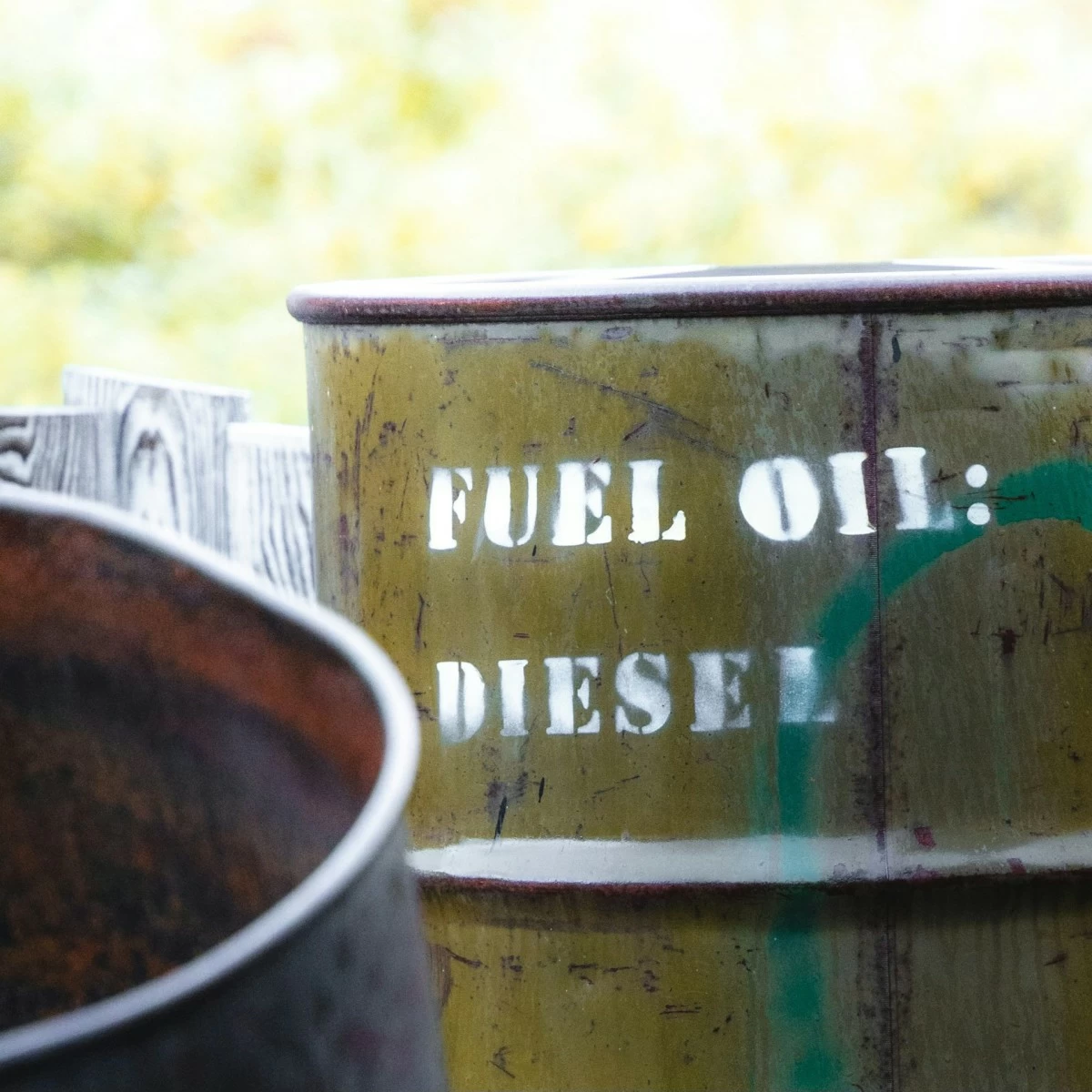
(Unsplash)
Murang Kuryente Party-list Rep. Arthur Yap hailed the committee-level approval of the proposed Philippine Strategic Petroleum Reserve (PSPR) Act, which he described as a necessary step toward strengthening the country’s energy security.
“This is not simply about building more storage facilities or keeping petroleum stocks in reserve. It is about making sure that when a global crisis hits, the Philippines is not caught unprepared,” Yap, vice chairman of the House Committee on Energy, said in a statement.
The approved substitute measure seeks to establish a government-owned strategic petroleum reserve equivalent to 60 days of supply, to be maintained for use during periods of supply disruption or significant oil price volatility.
The reserve will be distinct from the commercial inventories maintained by private oil companies.
Under the measure, the Department of Energy (DOE) will lead the implementation of the PSPR, with the Philippine National Oil Company (PNOC) or its affiliates serving as the principal operating arm.
The proposed framework covers the acquisition, storage, maintenance, rotation, and emergency release of petroleum reserves, while requiring transparency, reporting, and oversight in their management.
Yap emphasized that the bill also recognizes the realities of the downstream oil industry. It institutionalizes minimum inventory requirements for refiners and importers while providing for a phased, gradual, and commercially feasible implementation, allowing the DOE to adjust requirements based on the financial capacity and available resources of industry participants.
“We need resilience without unnecessarily disrupting the industry. The bill therefore takes a balanced approach: government builds a strategic reserve for emergencies, while private refiners and importers continue to maintain their own minimum inventories under a commercially feasible framework,” Yap said.
The proposed measure likewise contains safeguards to preserve the principles of the deregulated downstream oil industry.
The PSPR may be used only under authorized emergency conditions and cannot be used for routine market intervention or to administratively fix, cap, or control petroleum prices.
The bill also encourages public-private participation in the development of PSPR infrastructure through procurement, public-private partnerships, and other lawful arrangements. Private-sector storage capacity may be made available for the reserve subject to mutual agreement, fair market-based compensation, and commercially negotiated terms.
For Yap, these provisions are particularly important because the Philippines remains vulnerable to external shocks affecting the global petroleum market.
“We are an import-dependent country. When geopolitical conflict, natural disasters, or global market shocks disrupt the supply of crude oil and petroleum products, the effects do not stop at the pump. They cascade into transportation, agriculture, electricity, manufacturing, and ultimately the prices paid by ordinary Filipino families,” explained the "Power Bloc" member.
The bill provides that, during an authorized emergency release, priority allocations shall be made to critical sectors such as agriculture, health, public transportation, power generation, and national defense and security, based on the severity and regional impact of the supply disruption.
Yap further underscored the importance of transparency and accountability in managing the reserve.
The measure requires the DOE to submit an annual report to Congress covering reserve levels, storage capacity, expenditures, acquisition strategies, and emergency releases. It likewise mandates stakeholder consultation before changes are made to inventory requirements and other major operational policies.
“A strategic reserve is only as effective as the system governing it. That is why the bill provides for Congressional oversight, regular reporting, public consultation, auditing, and clear rules on acquisition and release. We want an energy security mechanism that is not only effective, but also transparent and accountable to the Filipino people.”
As chairperson of the technical working group (TWG), Yap thanked the government agencies, industry representatives, stakeholders, and members of the House who participated in the deliberations and contributed to refining the substitute measure.
“I thank our resource agencies, industry stakeholders, fellow Members, and everyone who participated in the [TWG]. Their expertise and constructive engagement helped us develop a measure that balances national energy security, consumer protection, fiscal responsibility, and the legitimate interests of the downstream oil industry.”