






Manila Bulletin
 Entertainment
Music and Concerts
'The limitations make you better': Why Mix Machine Analog founder Marco De Leon is pushing for analog over digital recording
Entertainment
Music and Concerts
'The limitations make you better': Why Mix Machine Analog founder Marco De Leon is pushing for analog over digital recording
Entertainment
Music and Concerts
'The limitations make you better': Why Mix Machine Analog founder Marco De Leon is pushing for analog over digital recording
'The limitations make you better': Why Mix Machine Analog founder Marco De Leon is pushing for analog over digital recording
By Ian Ureta
Published Aug 13, 2026 05:36 pm


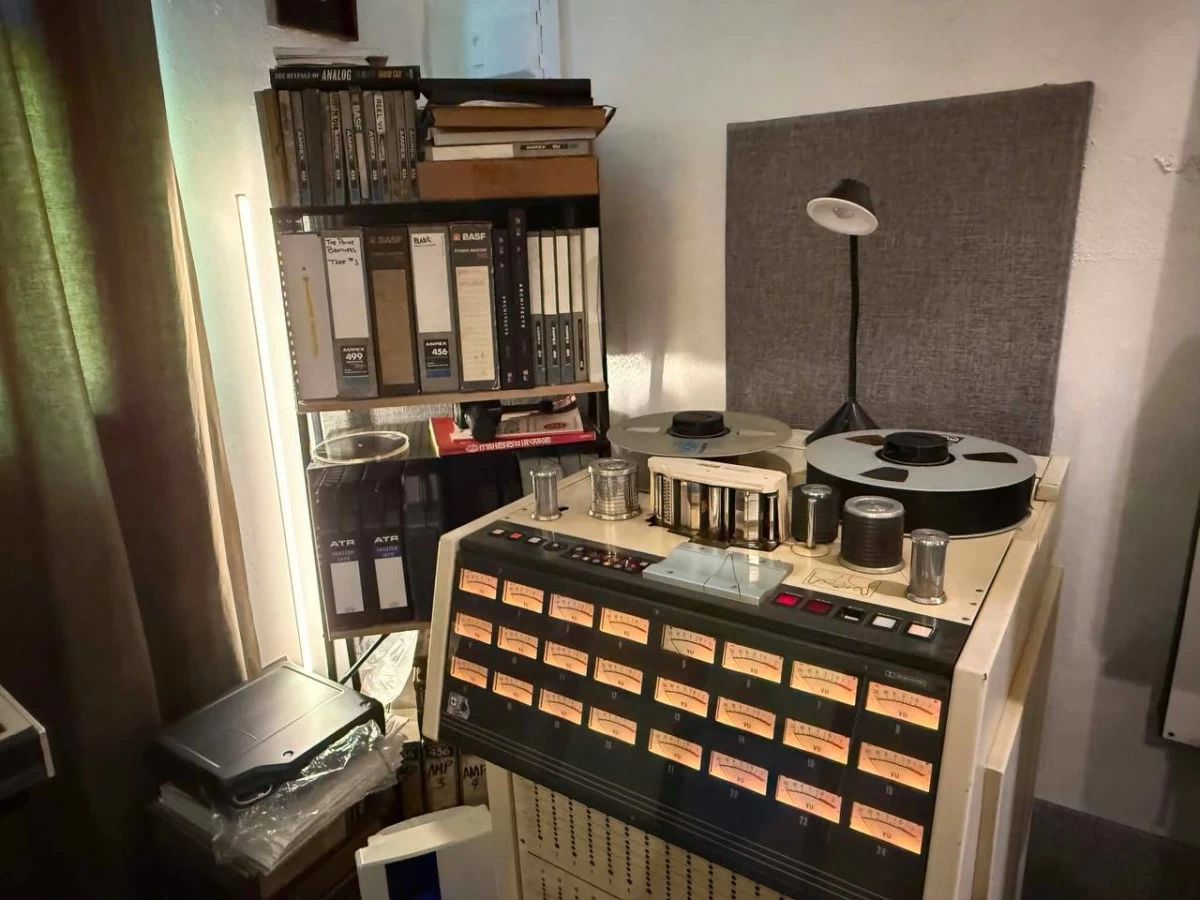
Within the current reaches of technology where music can be recorded, edited and released entirely from a laptop, Marco De Leon is deliberately taking the harder route.
As founder and chief engineer of Mix Machine Analog, De Leon has built a specialized recording practice around analog tape, real instruments, live performances and physical media. What began as a personal obsession has grown into an internationally recognized operation serving artists in the Philippines and abroad.
That work has earned De Leon membership in the Recording Academy, along with recognition from the Awit Awards, where he has served as a member and judge, a Gawad Urian nomination and a production honor from the Global Music Awards.
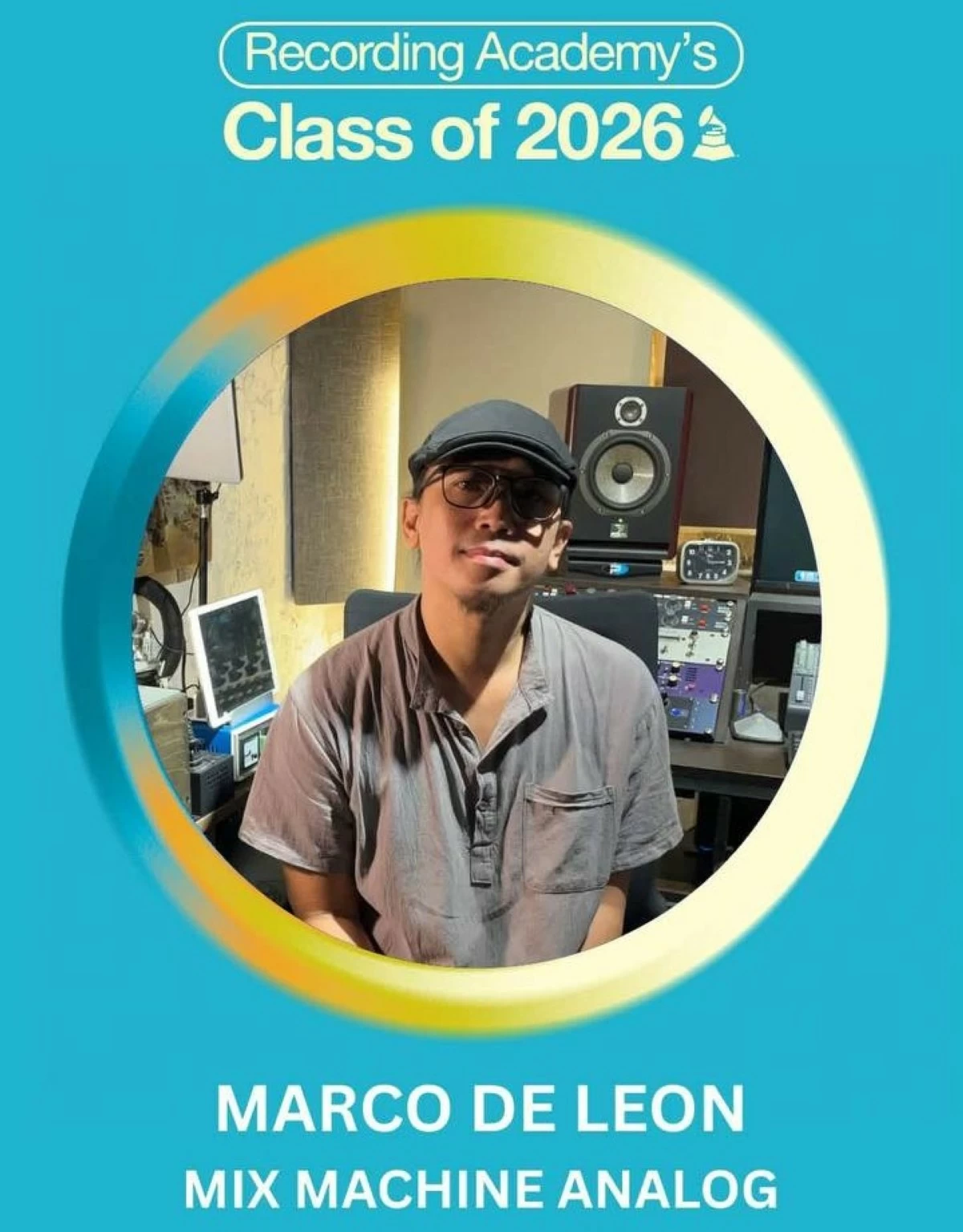
De Leon had already established himself as an engineer in the Philippine pop and rock scene before deciding to pursue a more specialized path.
“I've always known that my practice isn't really going to be appreciated by the masses here in the Philippines,” he told this writer in an exclusive interview.
Instead, he followed his interest in avant-garde music, blues, jazz fusion, psychedelic rock, garage rock and other experimental sounds. That decision eventually connected him with clients in the US, Taiwan, Japan, Thailand, Australia and Europe.
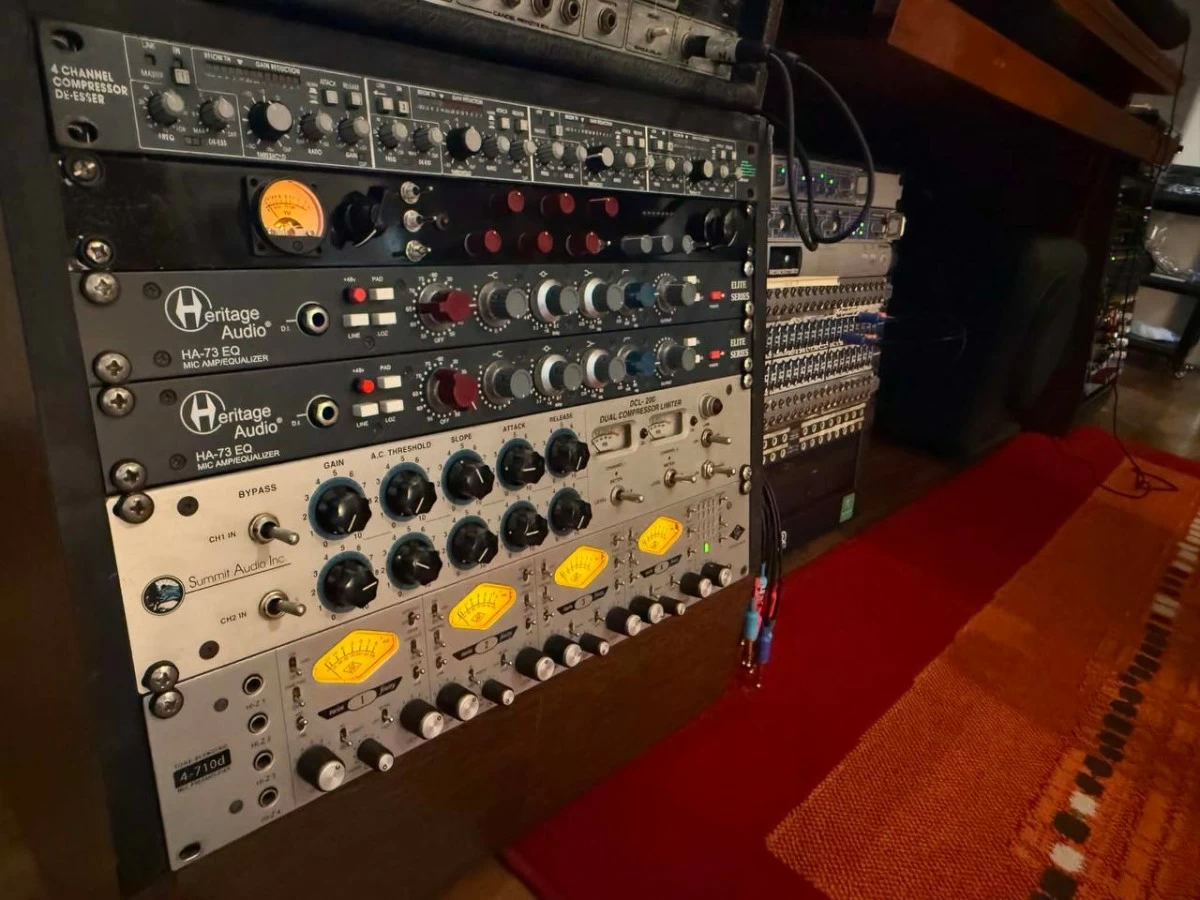
“This wasn't really driven by business or anything,” De Leon explained. “This is completely driven by an obsession of the analog format.”
For someone operating largely in an underground space, the Recording Academy recognition carries particular weight.
“I don't have the most popular studio in the Philippines, but I can say that I'm the most unique studio in the Philippines,” he said.
Fighting digital perfection
De Leon sees the renewed interest in vinyl and tape as more than a nostalgic trend.
With AI-generated music increasingly appearing across digital platforms, physical media represents a more tangible connection to music and the people who create it.
“Vinyl and tape machines and tape reels, real recordings cannot be touched by AI,” he said.
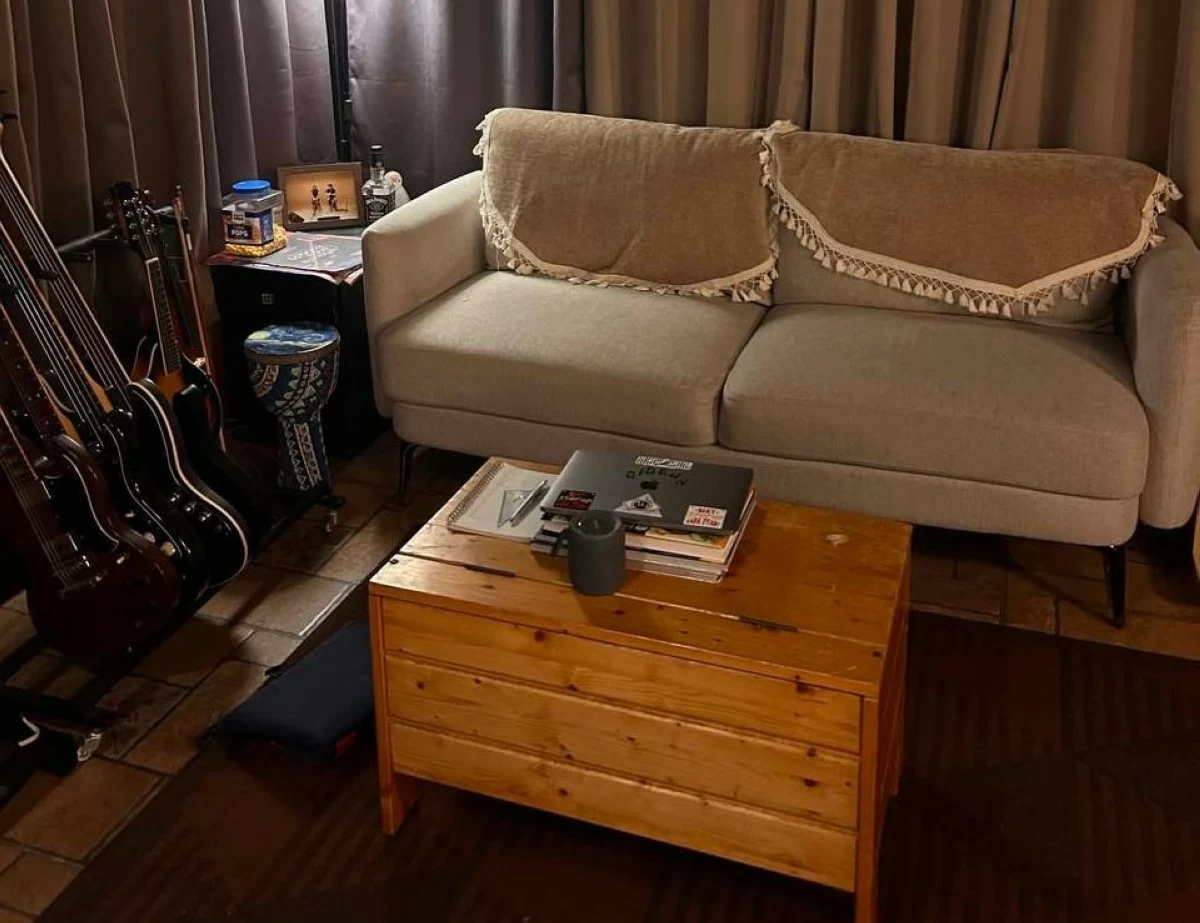
There is also a practical reason for artists to explore physical releases. While streaming can deliver huge numbers, those numbers do not necessarily translate into substantial income for independent musicians.
“When you have a physical format, the people who buy it have a stronger connection with the music than just streaming their album or songs on a playlist,” De Leon said.
For him, that connection is part of what has been lost as music has become increasingly convenient. That philosophy is also reflected in how De Leon records.
Bringing the soul back
Ultimately, De Leon's ambitions for Mix Machine Analog extend beyond keeping tape machines alive. “I want artists to start recording the way they perform,” he said. “I want them to hear themselves the way they really are.”
That philosophy is also at the heart of the legacy he hopes to build: encouraging more Filipino musicians, producers and engineers to explore analog production and physical media.
“If more people get into this, put up studios like this and start doing physical media, there would be more awareness,” he said.
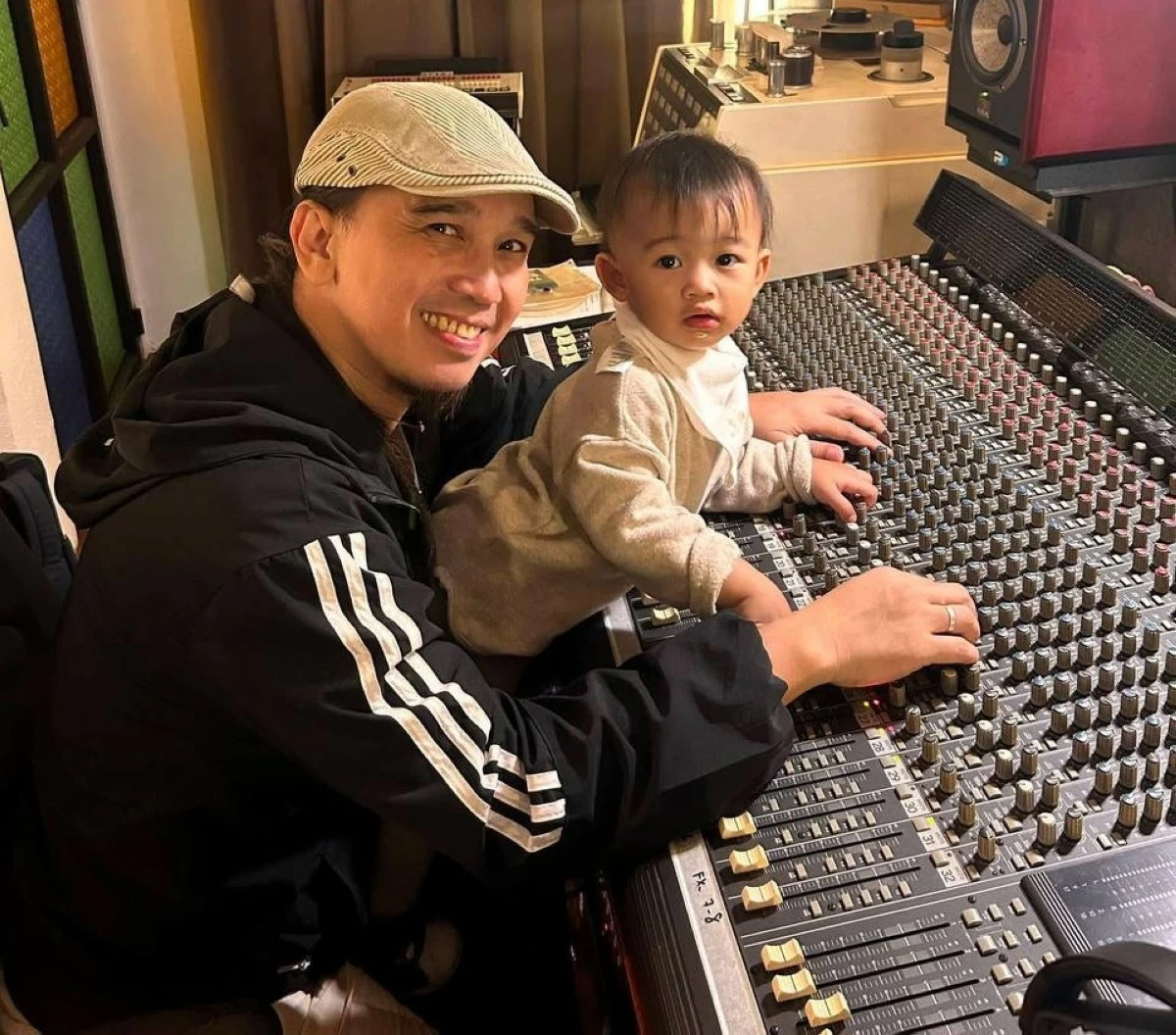
For De Leon, the future of recording isn't about choosing between analog and digital. It is about restoring balance and making sure that convenience never completely replaces character.
At Mix Machine Analog, the answer is refreshingly simple: put musicians in a room, press record and let them play.