






 Philippines
National
Lacson files bills seeking to raise retirement age for PNP, BJMP, BFP personnel to 57
Philippines
National
Lacson files bills seeking to raise retirement age for PNP, BJMP, BFP personnel to 57
Lacson files bills seeking to raise retirement age for PNP, BJMP, BFP personnel to 57


At A Glance
- Senator Panfilo "Ping" Lacson has filed two measures seeking to raise the compulsory retirement age for personnel of the Philippine National Police (PNP) as well as the Bureau of Jail Management and Penology (BJMP) and Bureau of Fire Protection (BFP) from 56 to 57.
Senator Panfilo “Ping” Lacson has filed two measures seeking to raise the compulsory retirement age for personnel of the Philippine National Police (PNP) as well as the Bureau of Jail Management and Penology (BJMP) and Bureau of Fire Protection (BFP) from 56 to 57.
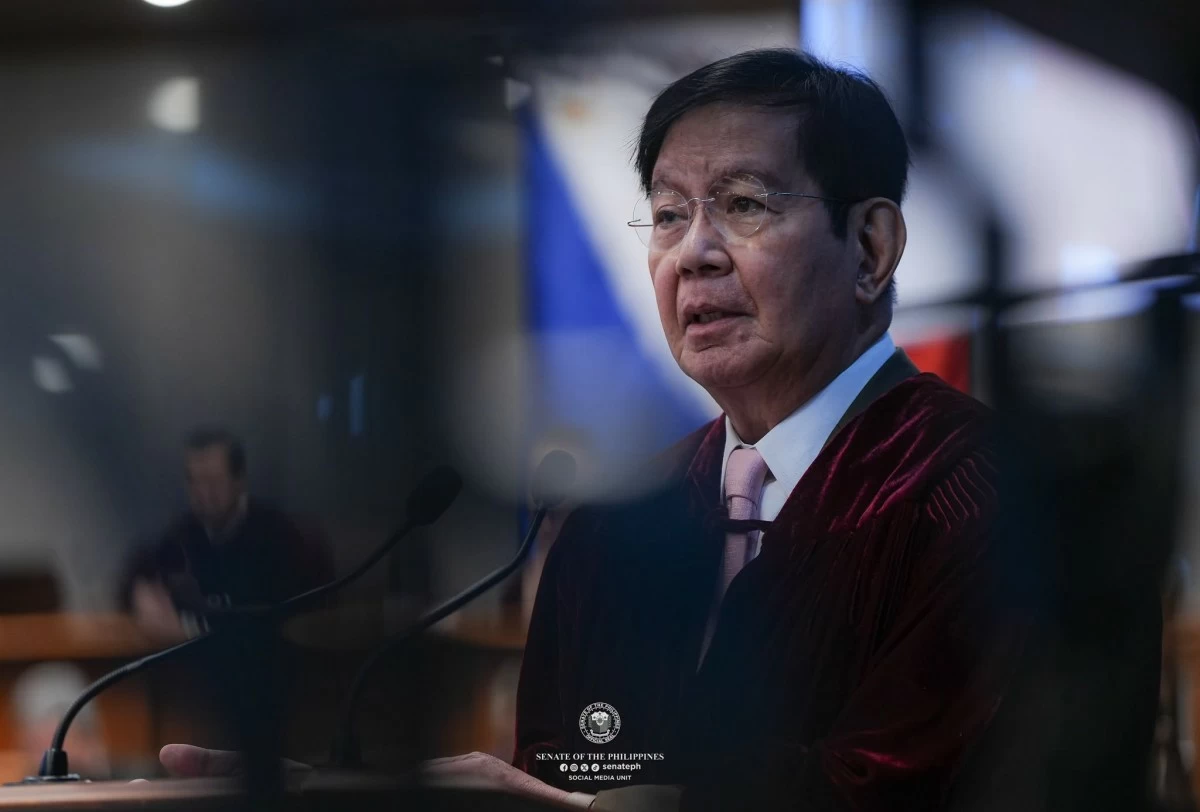
In filing Senate Bill Nos. 2395 and 2396, Lacson proposed adjusting the age of retirement to allow the three agencies to maximize the expertise, leadership and institutional knowledge of their senior officers, while giving them more time to pass these on to younger personnel.
“This bill, which seeks to increase the retirement age of the members of the PNP to fifty-seven (57) years old, intends to give the PNP leadership more time to implement their intended institutional reforms and for the institution to maximize the years-worth of knowledge and skills of their personnel,” Lacson said in SB No. 2395, which seeks to increase the retirement age for PNP uniformed personnel from 56 to 57.
The senator also said SB No. 2396, which similarly seeks to increase the compulsory retirement age for BJMP and BFP members to 57, aims “to give the senior officers of the BJMP and BFP the opportunity to maximize their expertise, leadership, and institutional knowledge while providing additional time to impart the same to the younger officers of the bureau.”
Both measures are also aligned with the adjustment in the compulsory retirement age of members of the Armed Forces of the Philippines (AFP).
Lacson, who served as Chief, PNP from 1999 to 2001, noted that the PNP currently has 230,410 uniformed personnel while the BJMP has 26,000 staff and the BFP has 41,286 personnel.
Also, SB 2395 seeks to amend the retirement age for PNP uniformed personnel to "age fifty-seven (57)."
But “uniformed personnel who have less than one year in the service upon the effectivity of this act shall have the option to retire at the age of 56, and shall be considered compulsorily retired (and) that the incumbent Chief of the PNP shall be compulsorily retired at the age of fifty-six (56).”
Senate Bill 2396, meanwhile, seeks to include BJMP and BFP uniformed personnel among those whose compulsory retirement age would be 57.
However, under the proposed amendment, however, “in case of any officer with the rank of chief superintendent, director, or deputy director general, the Commission may allow his retention in the service for an unextendible period of one year.”