ADVERTISEMENT

Five years of fruitful endeavors: A new chapter for development and prosperity

Published Aug 13, 2026 12:08 am  |  Updated Aug 12, 2026 04:22 pm
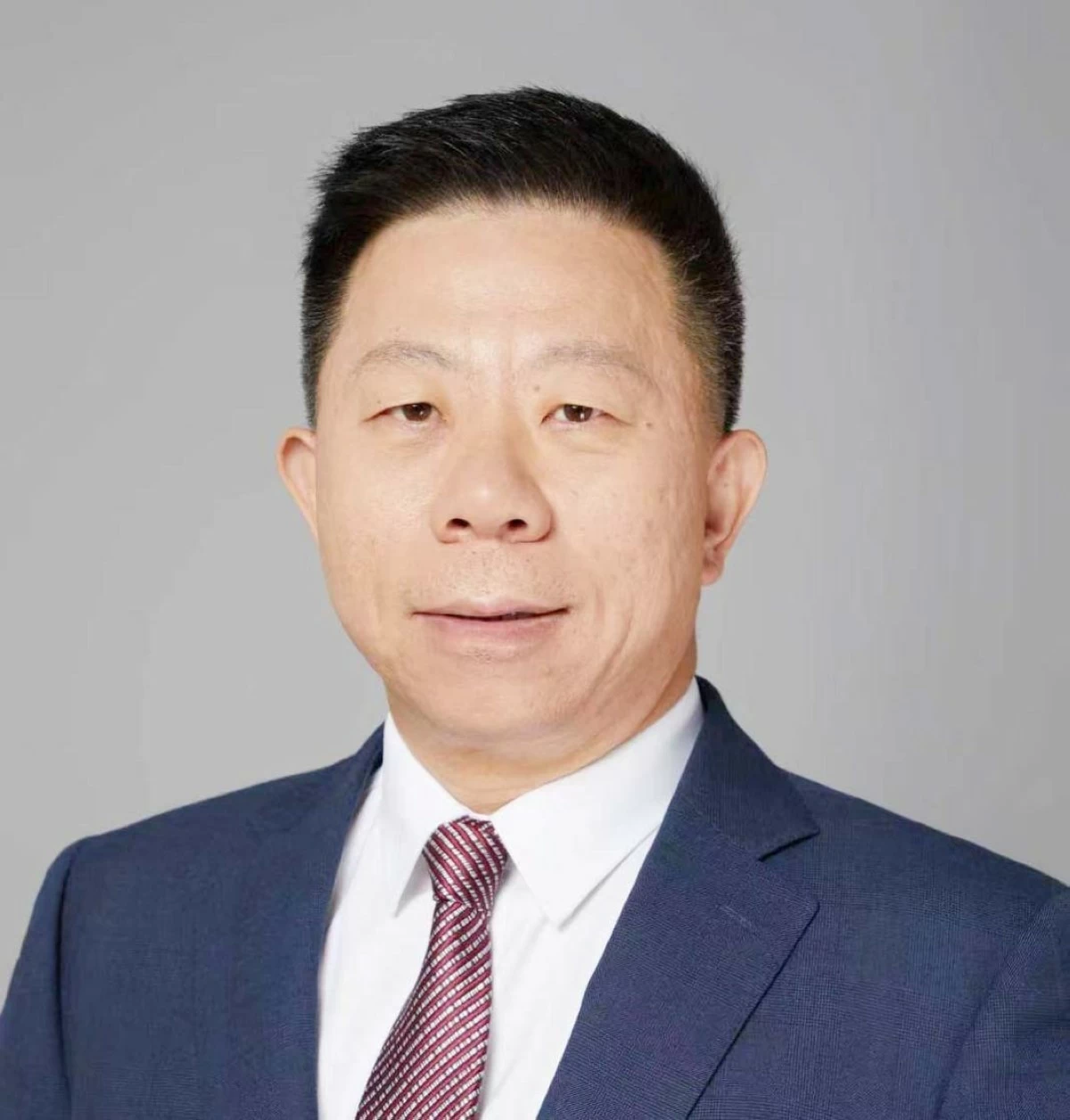
CHINESE AMBASSADOR TO THE PHILIPPINES JING QUAN
By CHINESE AMBASSADOR TO THE PHILIPPINES JING QUAN
Development is an eternal theme of human society. Five years ago, in the face of the uneven recovery of the global economy and the sluggish growth of developing countries, President Xi Jinping solemnly proposed the Global Development Initiative (GDI) at the general debate of the 76th session of the United Nations General Assembly, putting forward a Chinese solution and making a Chinese contribution to reinvigorating global development.
The Initiative serves the broadest interests of humanity. It advocates forging a united, equal, balanced and inclusive global development partnership, and calls on all parties to accelerate the implementation of the UN 2030 Agenda for Sustainable Development. It upholds the principles of staying committed to development as a priority, a people-centered approach, benefits for all, innovation-driven development, harmony between man and nature, and results-oriented actions, thus sounding a strong call of our times for promoting common development.
Five years on, the GDI has played a greater role in driving global development, developed better cooperation mechanisms and delivered a steady stream of cooperation outcomes. It has evolved from a Chinese proposal into an international consensus, winning wide appreciation and drawing active participation from the international community. More than 130 countries and international organizations have expressed support for the GDI and participated in its cooperation, while nearly 100 countries and international and regional organizations have signed GDI cooperation documents with China. The Group of Friends of the GDI has expanded to 88 member countries. More than $23 billion has been mobilized, supporting the implementation of over 1,800 “small and beautiful” livelihood projects and providing training for more than 200,000 people in different professions, bringing tangible benefits to people in more than 120 countries.
Over the past five years, China has deepened development strategy coordination with ASEAN countries, advanced people-centered flagship projects to improve people’s well-being, and pooled new drivers of innovation through cooperation in new quality productive forces, with a view to making Southeast Asia a demonstration region for the GDI cooperation.
Working together to alleviate poverty. In Takeo Province, Cambodia, China has built a China-Cambodia Friendship Poverty Alleviation Demonstration Village and distributed “care packages” to local children, providing basic meals for more than 10,000 children.
Promoting food security. In Khon Kaen Province, Thailand, China has helped build a water-retention weir project that stores rainwater during the rainy season for irrigation in the dry season. The project has addressed challenges arising from inadequate water management and irrigation systems in northeastern Thailand, effectively strengthening local food security while reducing flood risks.
Empowering green development. In Laos, China has helped develop the Monsoon Wind Power Project, the largest single-site wind power project in Southeast Asia, with a total installed capacity of 600 megawatts. The project provides employment opportunities for around 1,000 local residents and is expected to reduce carbon emissions by an average of 1.56 million tonnes annually, contributing to Laos’ vision of becoming the “Battery of Southeast Asia.”
Enhancing connectivity. In Timor-Leste, China has helped build the country’s first modern container terminal at Tibar Port, equipped with modern logistics, loading and unloading facilities. The project has significantly enhanced Timor-Leste’s trade appeal and level of connectivity.
These are just a few examples of the many tangible outcomes generated through GDI cooperation. The Initiative has become one of the most influential international public goods today, providing practical support to countries in Southeast Asia in addressing their development gaps and exploring development paths suited to their respective national conditions.
The Philippines is a member of the Group of Friends of the GDI. We hope that the Philippines will work with China to keep development high on the agenda, properly manage differences through dialogue and consultation, and make mutually beneficial cooperation once again the underlying tone of China-Philippines relations. Let’s share the benefits of GDI cooperation, build a common path toward development and prosperity, and work together to create a brighter future for the region.

Related Tags

Global Development Initiative Chinese Ambassador to the Philippines GDI Cooperation
ADVERTISEMENT
.most-popular .layout-ratio{ padding-bottom: 79.13%; } @media (min-width: 768px) and (max-width: 1024px) { .widget-title { font-size: 15px !important; } }

{{ articles_filter_1561_widget.title }}

.most-popular .layout-ratio{ padding-bottom: 79.13%; } @media (min-width: 768px) and (max-width: 1024px) { .widget-title { font-size: 15px !important; } }

{{ static_articles_1562_widget.title }}

.most-popular .layout-ratio{ padding-bottom: 79.13%; } @media (min-width: 768px) and (max-width: 1024px) { .widget-title { font-size: 15px !important; } }

{{ articles_filter_1563_widget.title }}

{{ articles_filter_1564_widget.title }}

.mb-article-details { position: relative; } .mb-article-details .article-body-preview, .mb-article-details .article-body-summary{ font-size: 17px; line-height: 30px; font-family: "Libre Caslon Text", serif; color: #000; } .mb-article-details .article-body-preview iframe , .mb-article-details .article-body-summary iframe{ width: 100%; margin: auto; } .read-more-background { background: linear-gradient(180deg, color(display-p3 1.000 1.000 1.000 / 0) 13.75%, color(display-p3 1.000 1.000 1.000 / 0.8) 30.79%, color(display-p3 1.000 1.000 1.000) 72.5%); position: absolute; height: 200px; width: 100%; bottom: 0; display: flex; justify-content: center; align-items: center; padding: 0; } .read-more-background a{ color: #000; } .read-more-btn { padding: 17px 45px; font-family: Inter; font-weight: 700; font-size: 18px; line-height: 16px; text-align: center; vertical-align: middle; border: 1px solid black; background-color: white; } .hidden { display: none; }
function initializeAllSwipers() { // Get all hidden inputs with cms_article_id document.querySelectorAll('[id^="cms_article_id_"]').forEach(function (input) { const cmsArticleId = input.value; const articleSelector = '#article-' + cmsArticleId + ' .body_images'; const swiperElement = document.querySelector(articleSelector); if (swiperElement && !swiperElement.classList.contains('swiper-initialized')) { new Swiper(articleSelector, { loop: true, pagination: false, navigation: { nextEl: '#article-' + cmsArticleId + ' .swiper-button-next', prevEl: '#article-' + cmsArticleId + ' .swiper-button-prev', }, }); } }); } setTimeout(initializeAllSwipers, 3000); const intersectionObserver = new IntersectionObserver( (entries) => { entries.forEach((entry) => { if (entry.isIntersecting) { const newUrl = entry.target.getAttribute("data-url"); if (newUrl) { history.pushState(null, null, newUrl); let article = entry.target; // Extract metadata const author = article.querySelector('.author-section').textContent.replace('By', '').trim(); const section = article.querySelector('.section-info ').textContent.replace(' ', ' '); const title = article.querySelector('.article-title h1').textContent; // Parse URL for Chartbeat path format const parsedUrl = new URL(newUrl, window.location.origin); const cleanUrl = parsedUrl.host + parsedUrl.pathname; // Update Chartbeat configuration if (typeof window._sf_async_config !== 'undefined') { window._sf_async_config.path = cleanUrl; window._sf_async_config.sections = section; window._sf_async_config.authors = author; } // Track virtual page view with Chartbeat if (typeof pSUPERFLY !== 'undefined' && typeof pSUPERFLY.virtualPage === 'function') { try { pSUPERFLY.virtualPage({ path: cleanUrl, title: title, sections: section, authors: author }); } catch (error) { console.error('ping error', error); } } // Optional: Update document title if (title && title !== document.title) { document.title = title; } } } }); }, { threshold: 0.1 } ); function showArticleBody(button) { const article = button.closest("article"); const summary = article.querySelector(".article-body-summary"); const body = article.querySelector(".article-body-preview"); const readMoreSection = article.querySelector(".read-more-background"); // Hide summary and read-more section summary.style.display = "none"; readMoreSection.style.display = "none"; // Show the full article body body.classList.remove("hidden"); } document.addEventListener("DOMContentLoaded", () => { let loadCount = 0; // Track how many times articles are loaded const offset = [1, 2, 3, 4, 5, 6, 7, 8, 9, 10]; // Offset values const currentUrl = window.location.pathname.substring(1); let isLoading = false; // Prevent multiple calls if (!currentUrl) { console.log("Current URL is invalid."); return; } const sentinel = document.getElementById("load-more-sentinel"); if (!sentinel) { console.log("Sentinel element not found."); return; } function isSentinelVisible() { const rect = sentinel.getBoundingClientRect(); return ( rect.top < window.innerHeight && rect.bottom >= 0 ); } function onScroll() { if (isLoading) return; if (isSentinelVisible()) { if (loadCount >= offset.length) { console.log("Maximum load attempts reached."); window.removeEventListener("scroll", onScroll); return; } isLoading = true; const currentOffset = offset[loadCount]; window.loadMoreItems().then(() => { let article = document.querySelector('#widget_1690 > div:nth-last-of-type(2) article'); intersectionObserver.observe(article) loadCount++; }).catch(error => { console.error("Error loading more items:", error); }).finally(() => { isLoading = false; }); } } window.addEventListener("scroll", onScroll); });

Sign up by email to receive news.