






Manila Bulletin
 Philippines
National
DSWD cites SWS survey showing decline in hunger among 'Walang Gutom' beneficiaries
Philippines
National
DSWD cites SWS survey showing decline in hunger among 'Walang Gutom' beneficiaries
Philippines
National
DSWD cites SWS survey showing decline in hunger among 'Walang Gutom' beneficiaries
DSWD cites SWS survey showing decline in hunger among 'Walang Gutom' beneficiaries
Published Aug 13, 2026 03:43 pm


At A Glance
- The SWS survey, commissioned by Globe Telecom and conducted among 2,400 respondents, found that the proportion of WGP beneficiaries who reported experiencing hunger fell by 6.7 percentage points, from 33.6 percent in the first round to 26.9 percent in the second.
- Department of Social Welfare and Development (DSWD) Secretary Rex Gatchalian cited the findings during a Presidential Communications Office press briefing at Malacañang on Thursday, Aug. 13.
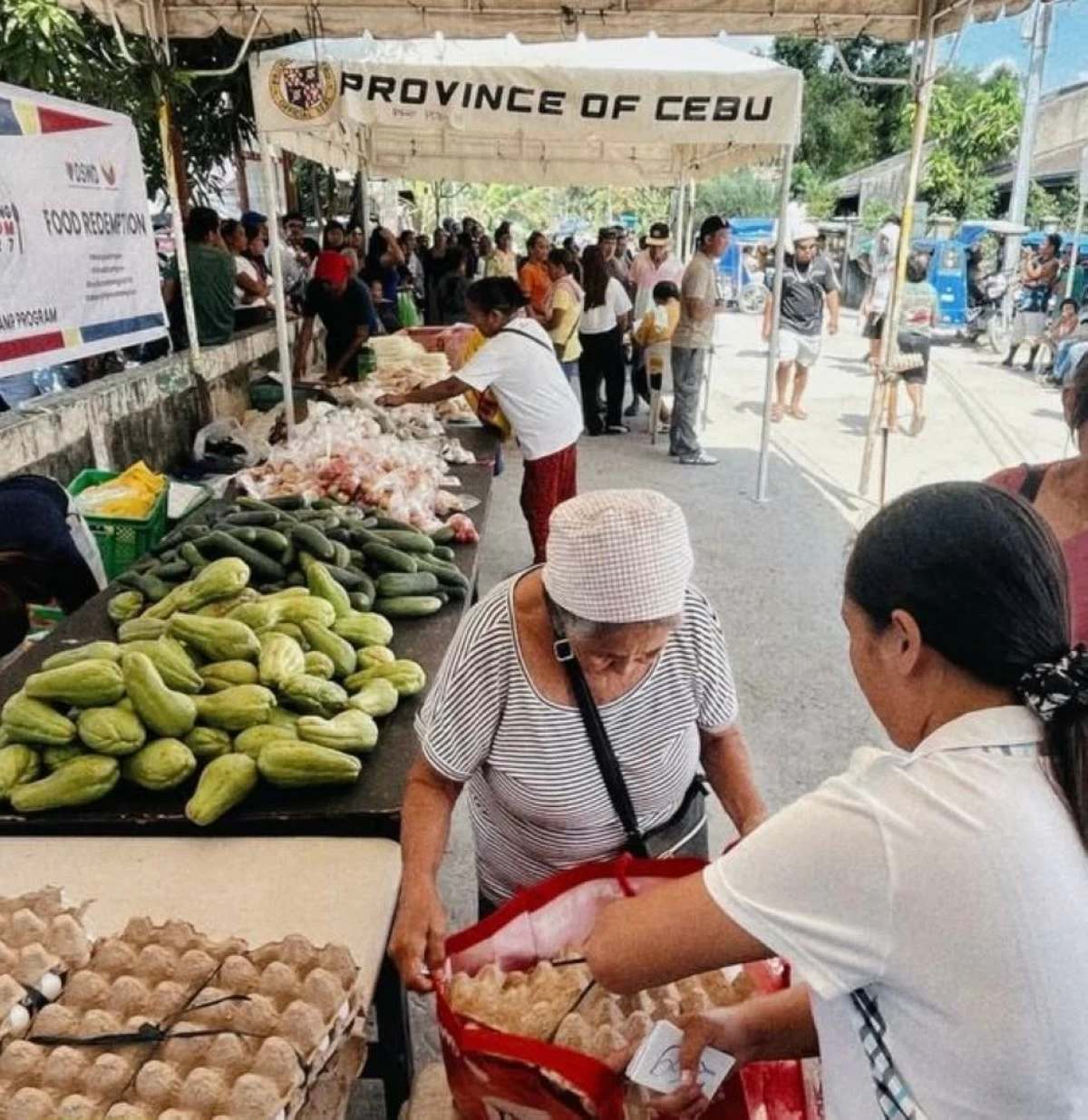
(DSWD Walang Gutom Program Facebook page)
The proportion of households experiencing hunger fell more sharply among beneficiaries of the Walang Gutom Program (WGP) than among non-beneficiary households, according to a two-round survey by the Social Weather Stations (SWS).
The survey, commissioned by Globe Telecom and conducted among 2,400 respondents, found that the proportion of WGP beneficiaries who reported experiencing hunger fell by 6.7 percentage points, from 33.6 percent in the first round to 26.9 percent in the second.
Among non-beneficiary households, reported hunger declined by 1.4 percentage points, from 38.3 percent to 36.9 percent.
Department of Social Welfare and Development (DSWD) Secretary Rex Gatchalian cited the findings during a Presidential Communications Office press briefing at Malacañang on Thursday, Aug. 13.
“Kaya na namin na ngayon sabihin na 600,000 na pamilyang Pilipino ang kumakain na nang tama (We can now say that 600,000 Filipino families are now eating properly),” he said.
The first round of the survey was conducted from Feb. 24 to March 8, while the second round was conducted from June 22 to July 1.
It examined changes in hunger, food insecurity, and respondents’ perceptions of their food poverty status among WGP beneficiaries and non-beneficiaries.
“Ang survey na ito is commissioned by Globe hindi ho DSWD ang nag-commission. Ang kinuha nilang nag-fifield survey will be SWS dahil SWS yung nagpapatakbo ng regular na quarterly survey on such topics (This survey was commissioned by Globe, not the DSWD. They commissioned SWS to conduct the field survey because SWS conducts a regular quarterly survey on such topics),” Gatchalian explained.
“The questionnaire that we used, that Globe commissioned them to use, is the same questionnaire na ginagamit doon sa regular run nila quarterly (The questionnaire that we used, which Globe commissioned them to use, is the same questionnaire used in their regular quarterly survey),” he added.
The survey also showed an improvement in the food insecurity indicator among WGP beneficiaries.
The proportion declined by 4.7 percentage points, from 94 percent in the first round to 89.3 percent in the second.
In contrast, the proportion among non-beneficiaries increased by 0.6 percentage point, from 95.9 percent to 96.5 percent.
The share of WGP beneficiaries who considered themselves food poor also declined by 1.4 percentage points, from 79 percent to 77.6 percent.
Among non-beneficiaries, the proportion increased by 1.3 percentage points, from 84.4 percent to 85.7 percent.
Gatchalian said the DSWD currently has 600,000 WGP household beneficiaries and plans to add another 150,000 this year.
“Ayon sa Philippine Statistics Authority, may 750,000 tayo na rated na food poor families, ay maipapasok na natin (According to the Philippine Statistics Authority, we have 750,000 families classified as food poor, so we can include them),” he said.
Under the WGP, beneficiaries receive ₱3,000 in food credits through electronic benefit transfer cards.
The credits can be used to purchase nutritious food but cannot be converted to cash.
The program also requires beneficiaries to attend “Kalusugan, Kakayahan at Kabuhayan” or 3K sessions, which cover nutrition, livelihood, and skills development.
The WGP was launched in 2023 and institutionalized in 2024 through Executive Order No. 44.