






 Business
Trade & Industry
BOC courts energy, automotive, food giants for elite importers office
Business
Trade & Industry
BOC courts energy, automotive, food giants for elite importers office
BOC courts energy, automotive, food giants for elite importers office


At A Glance
- Twenty-four leading importers have already engaged with the Bureau of Customs (BOC) over the creation of an elite importer group, including energy giants Petron Corp. and Shell Philippines, as well as major players in the aviation, automotive, food, and manufacturing industries.
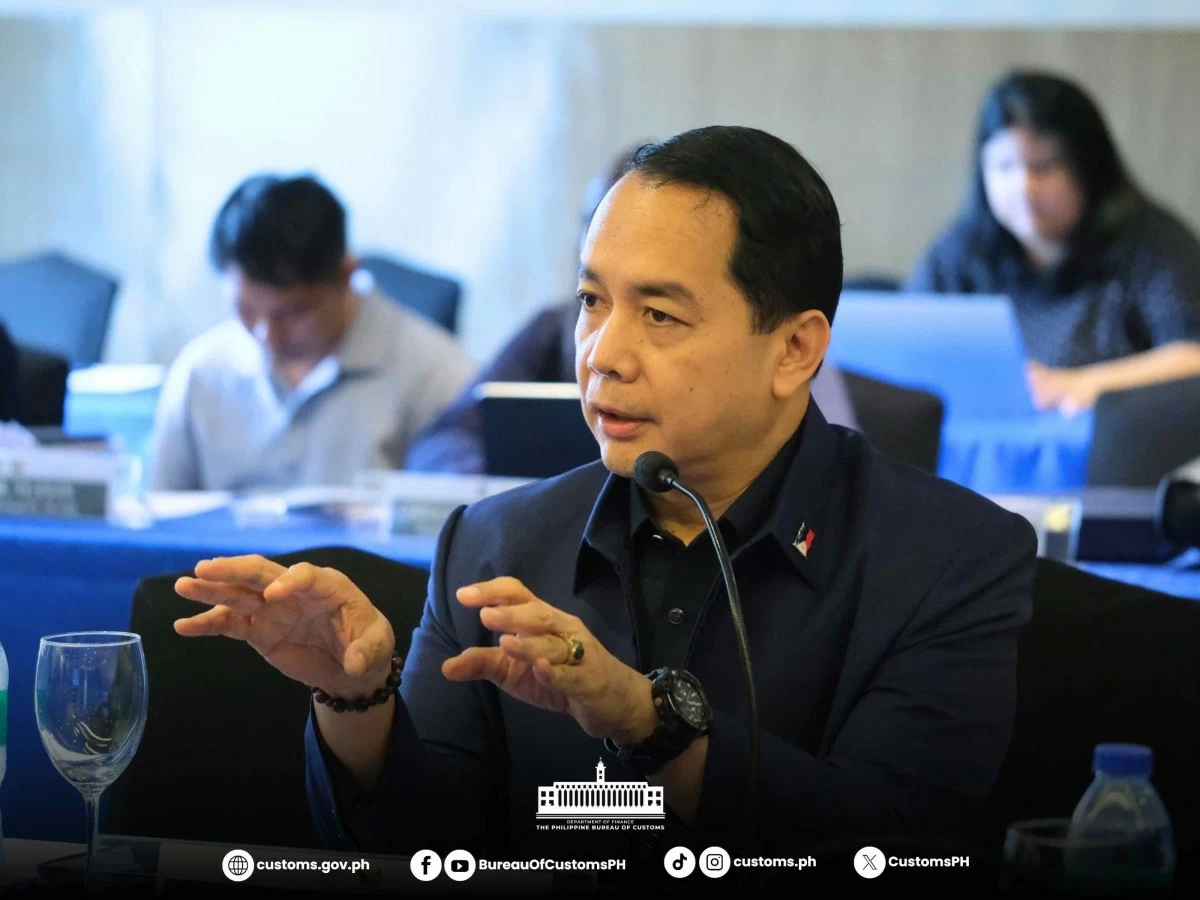
Twenty-four leading importers have already engaged with the Bureau of Customs (BOC) over the creation of an elite importer group, including energy giants Petron Corp. and Shell Pilipinas Corp., as well as major players in the aviation, automotive, food, and manufacturing industries.
This comes as the BOC eyes the rollout of its Top Importers Office (TIO) by the third quarter of 2026, which Manila Bulletin earlier reported would be composed of a maximum of 2,000 major importers whose taxes make up roughly three-fourths of the bureau’s annual haul.
According to the BOC, Customs Commissioner Ariel F. Nepomuceno held the bureau’s consultations with stakeholders, engaging with leading energy and petroleum firms, including Petron, Insular Oil Corp., Shell Pilipinas, Chevron Philippines Inc., Seaoil, Unioil, and Jetti Petroleum.
Major players in the aviation, automotive, technology, food, healthcare, and manufacturing industries were also consulted, including Philippine Airlines (PAL), Mitsubishi, Suzuki Philippines, HP PPS Philippines, Coca-Cola Europacific Aboitiz Philippines (CCEAP), Mondelez, Monde Nissin Corp., Century Pacific Food Inc. (CNPF), Golden Arches Development Corp. (GADC), Mondo Cucina, Wills International, IE Medica, Medethix, Lifeline Diagnostics Supplies, Concepcion Durables, Concepcion-Carrier, and SCG Marketing.
Overall, the BOC has engaged with at least 24 major importers potentially securing their spots in the elite group.
Headed by BOC Director George JT D. Aliño II, TIO was established to serve as a “strategic link to foster seamless collaboration between key trade partners and the bureau’s operational units,” acting as the primary point of contact for the country’s high-volume traders.
During the initial consultation sessions held in July, the BOC formally introduced TIO as a “central coordinating hub” intended to promote a more efficient and reliable trading environment.
It was during the consultations that industry leaders had a chance to voice pressing challenges in their respective industries.
“Company representatives raised specific operational concerns involving import clearances, processing delays, and inter-office coordination,” the BOC said.
In response, TIO has already launched structured assistance and tracking mechanisms to ensure that these issues are systematically routed to the appropriate BOC offices for “timely evaluation and action.”
Nepomuceno said TIO “will serve as our direct bridge to key stakeholders, making our coordination faster and clearer.”
“Through open dialogue, we will not only respond to operational issues, but we will also identify the root cause of problems to provide lasting solutions,” Nepomuceno added.
Building the office aligns with the BOC’s push for integrity, accountability, and modernization. - Derco Rosal