






Manila Bulletin
 Philippines
National
Zubiri denies handling senators' infra project lists as Senate chief
Philippines
National
Zubiri denies handling senators' infra project lists as Senate chief
Philippines
National
Zubiri denies handling senators' infra project lists as Senate chief
Zubiri denies handling senators' infra project lists as Senate chief
By Dhel Nazario
Published Aug 12, 2026 03:34 pm


At A Glance
- Senate Majority Leader Juan Miguel Zubiri denied handling senators' project lists during his tenure as Senate president, saying he never requested, held or personally handled any list of infrastructure requests.
- He said all proposed budget amendments went through the Senate Finance Committee, which oversees the Senate's budget process, and that no such requests passed through his office.
- Zubiri defended institutional budget amendments for infrastructure projects, saying they are legitimate as long as projects are properly implemented, not ghost or substandard projects, and free from legislators' personal interests or corrupt interference.
Senate Majority Leader Juan Miguel “Migz” Zubiri on Wednesday, Aug. 12, denied personally handling or requesting lists of senators’ infrastructure project requests when he served as Senate president, following testimony linking him to a “leadership fund” for priority projects.
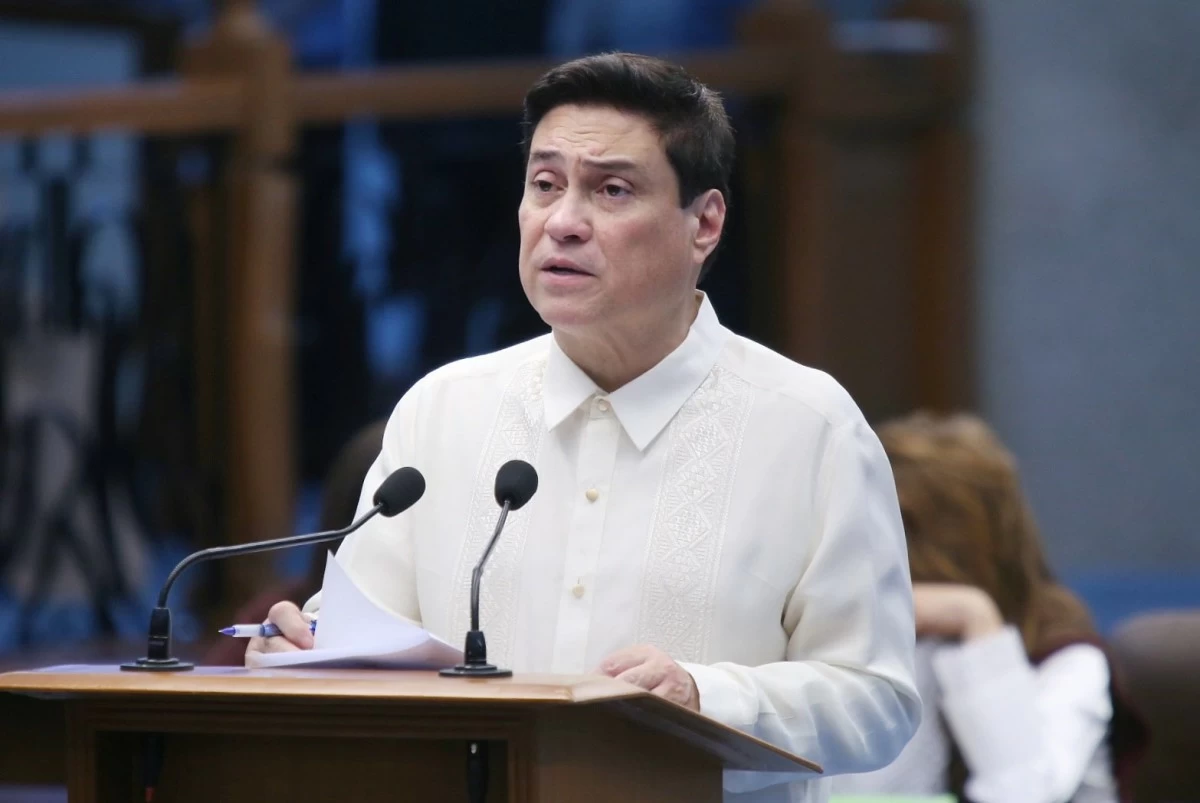
Senate Majority Leader Juan Miguel "Migz" Zubiri (Senate PRIB photo)
Former Department of Public Works and Highways (DPWH) Secretary Manuel Bonoan testified before the Sandiganbayan that Zubiri, then Senate president in 2024, had direct discretion over funds allocated for senators’ priority infrastructure projects.
In a statement, Zubiri said he never requested, held or handled any list of project requests from senators during his tenure as Senate president.
“For the record, as Senate President, I never requested, held or handled any list of project requests from senators. I refused to handle any such list,” Zubiri said.
He also denied receiving proposed budget amendments, saying all requests went through the Senate Committee on Finance, which oversees the chamber’s budget process.
“Walang pong dumaan na proposed budget amendments sa ating tanggapan. Alam ng mga senador yan. Lahat ng request ay coursed through the Senate Committee on Finance (No proposed budget amendments passed through our office. The senators know that. All requests were coursed through the Senate Committee on Finance),” he said.
Zubiri said there was nothing inherently wrong with lawmakers proposing institutional amendments to the national budget to fund infrastructure projects in underserved communities, provided these were requested and approved by the implementing agency and properly implemented.
He cited roads, bridges, airports, seaports, and other critical infrastructure as examples of projects that could benefit from such amendments.
“Almost all legislators, from senators to members of the House of Representatives, introduce amendments to the budget,” Zubiri said.
He also invoked former Senate President Franklin Drilon, saying Drilon’s work on institutional budget amendments helped transform Iloilo City into an internationally recognized urban center.
“That is part of our responsibility as legislators: to help bring much-needed development to communities that have long been left behind,” Zubiri said.
However, Zubiri stressed that budget amendments should not be used to facilitate corruption or personal interests.
He said projects must be properly implemented and should not be “ghost projects” or substandard, while legislators who propose them should not exert improper influence over their implementation.
“Again, I reiterate that there is nothing wrong with institutional amendments, for as long as projects are properly implemented, that they are neither ghost projects nor substandard projects, and that they are devoid of any influence from the proponent legislators that could lead to corruption,” he said.
Bonoan gave his testimony as a prosecution witness in the malversation trial of former Senator Ramon “Bong” Revilla Jr. before the Sandiganbayan.