






Manila Bulletin
 Philippines
National
PNP warns against syndicates targeting fishermen to disrupt anti-illegal drug gains
Philippines
National
PNP warns against syndicates targeting fishermen to disrupt anti-illegal drug gains
Philippines
National
PNP warns against syndicates targeting fishermen to disrupt anti-illegal drug gains
PNP warns against syndicates targeting fishermen to disrupt anti-illegal drug gains
Published Aug 12, 2026 05:17 pm


At A Glance
- The Philippine National Police said it has tightened local monitoring of anti-drug operations to prevent syndicates from shifting tactics and targeting vulnerable communities as pressure on drug groups increases.
- Police Gen. Jose Melencio C. Nartatez Jr., PNP chief, cited an operation in Tawi-Tawi where a suspected drug group reportedly targeted small fishermen, highlighting the need to detect new methods before they become established.
- More than ₱122 billion worth of illegal drugs have been seized and over 206,000 drug personalities arrested in four years as Nartatez stressed stronger intelligence-sharing and coordination among law enforcement agencies.
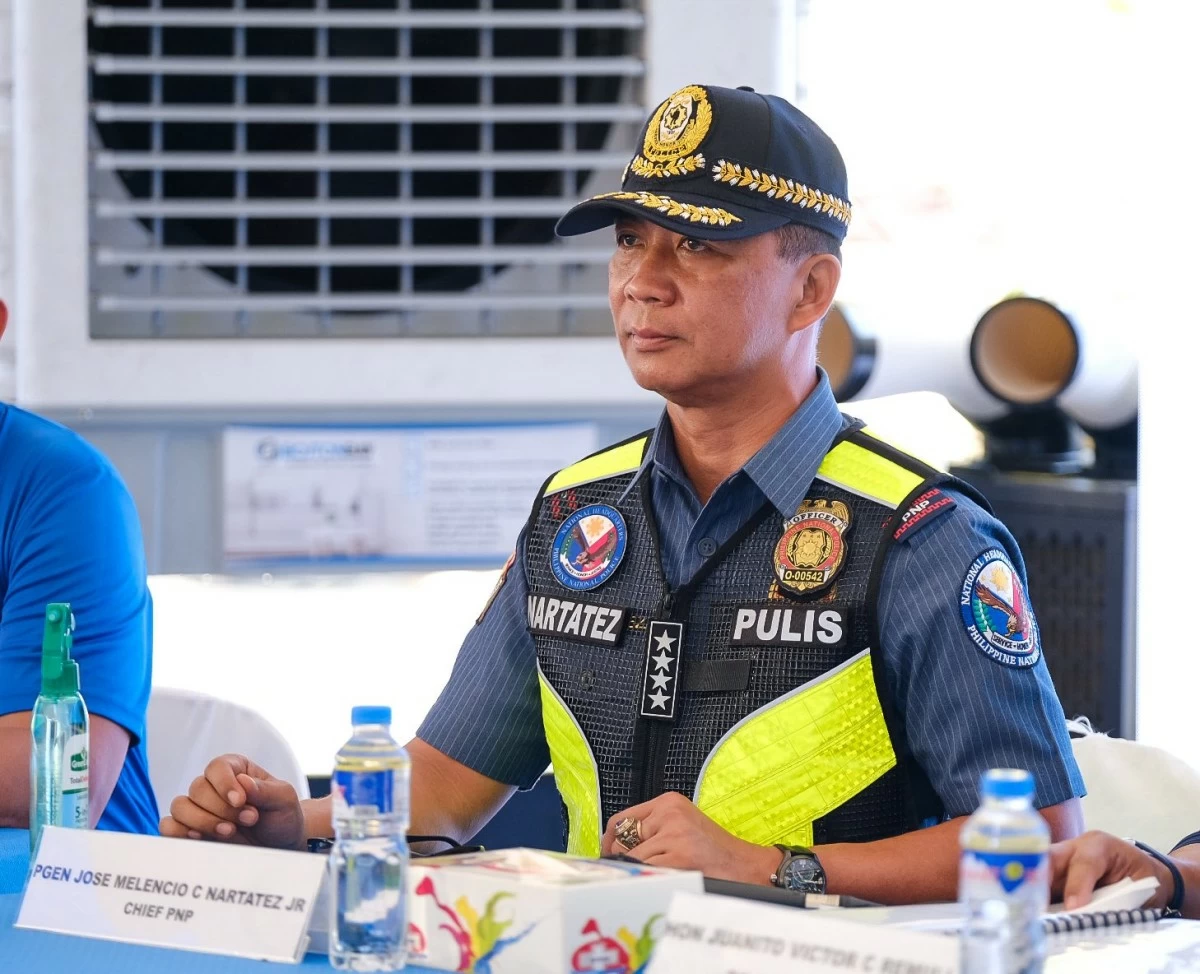
PNP Chief Police General Jose Melencio C. Nartatez Jr. (Photo: PNP)
The Philippine National Police (PNP) said it has tightened its monitoring of anti-illegal drug operations at the local level to prevent syndicates from changing tactics and exploiting communities, most recently local fisherfolk, that may be more vulnerable to recruitment.
Police General Jose Melencio C. Nartatez Jr., PNP chief, said police units must track the results of their operations down to the station level as law enforcement agencies step up intelligence-sharing and joint operations.
“We are on the right track in the campaign against illegal drugs and we will continue to pursue strategic measures to deny drug syndicates the opportunity to establish and sustain their operations in any part of the country,” Nartatez said.
The PNP chief said the intensified campaign has placed pressure on drug syndicates, with more than P122 billion worth of illegal drugs confiscated over the past four years.
More than 206,000 drug personalities have also been arrested during the period, including thousands of high-value targets, based on the latest report of the Philippine Drug Enforcement Agency (PDEA), the lead agency in illegal drug operations.
Nartatez said the figures should not lead police units to ease up on their operations. Instead, chiefs of police down to the municipal and city levels must monitor developments and detect changes in the way syndicates operate.
He cited an anti-illegal drug operation in Bongao, Tawi-Tawi last Aug. 9 where a suspected drug group reportedly targeted local fishermen. Accordingly, the group was reportedly targeting small fishermen, including those from other islands who would visit the area before going to sea to use drugs because they believed these would help them perform their work.
The operation conducted by the Philippine Drug Enforcement Agency (PDEA) in the Bangsamoro region and the Marine Battalion Landing Team-4 in Barangay Paniongan led to a three-hour gunfight that killed PDEA agent Enfernie Jim Dayag and suspected drug personality Jimhar Jawadil, alias “Boss M,” an Abu Sayyaf Group surrenderee.
Meanwhile, three Marines were also wounded in the operation.
Authorities recovered about 270 grams of suspected shabu worth an estimated P1.836 million, along with several firearms and ammunition.
Authorities also recovered weapons including a KG-9 submachine gun, an M1 Garand with 221 rounds of ammunition, four .45-caliber firearms with live ammunition, identification documents, four mobile phones, and drug paraphernalia.
Nartatez said the reported recruitment of fishermen in Tawi-Tawi showed how drug groups could adjust their methods when law enforcement pressure increases.
He said police must detect and address such new methods before they become established, and it requires coordination with other law enforcement and security agencies.