

ADVERTISEMENT

Legarda seeks granting of calamity pay, safer working arrangements for workers

Published Aug 12, 2026 12:44 pm

At A Glance

  • Sen. Loren Legarda renewed her push for Senate Bill No. 520 or the proposed Calamity Work Compensation Act, which would grant covered private-sector employees required to report onsite an additional 30 percent of their daily wage during Signal No. 3, No. 4, or No. 5, or an equivalent level of calamity.
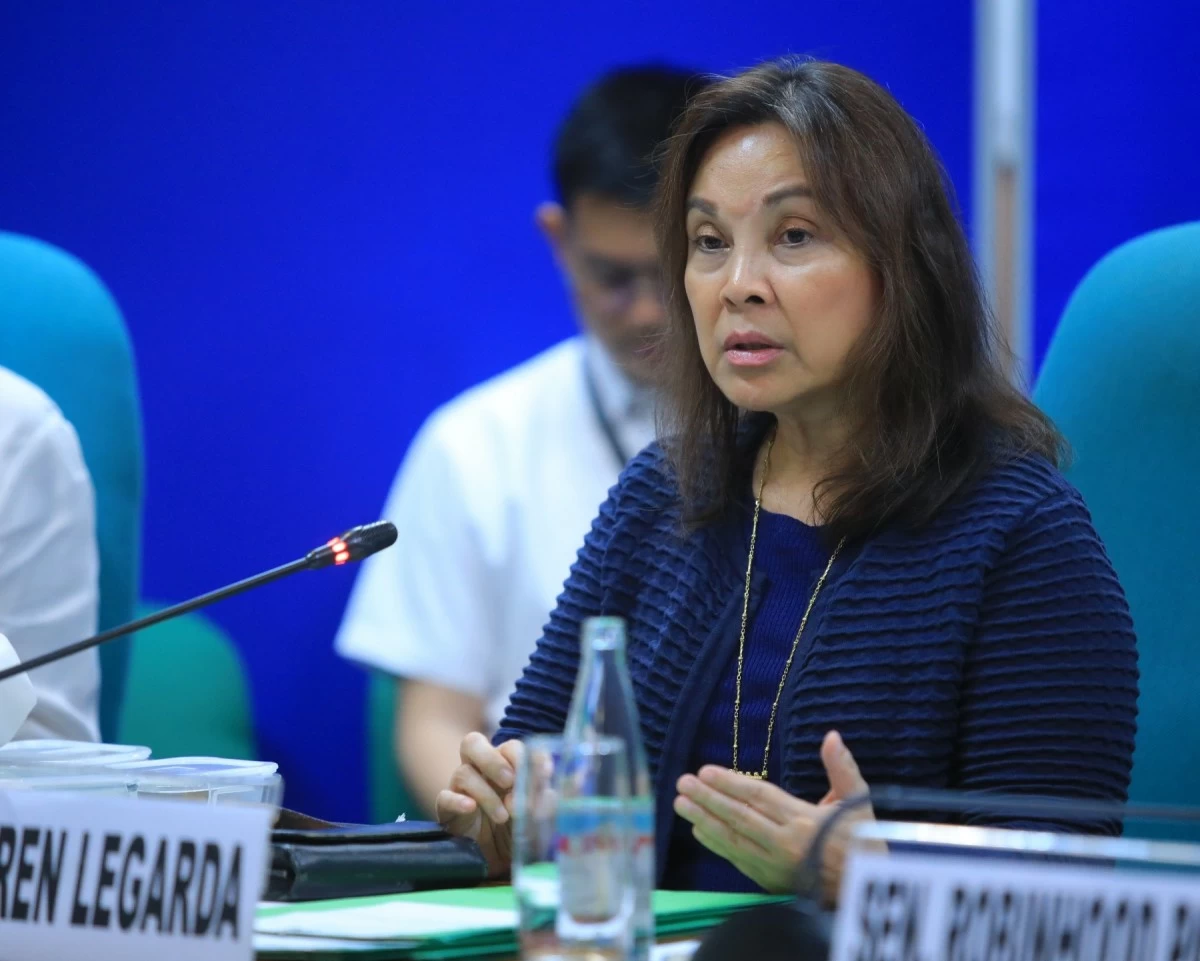
Senator Loren Legarda has called on the government to provide stronger protection for workers who continue to sustain the economy during calamities.

Legarda said it is imperative to grant fair compensation, safe working arrangements, and adequate support for the added risks and expenses they face.

“Behind every number is a Filipino worker who rises every day to earn a living and bring something home to their family. Let us consider an employee who has to find a ride amidst the floods, pay higher fares, and endure a longer commute, all while worrying about whether they will make it home safely to their family,” Legarda said.

The senator made the call using the June 2026 Labor Force Survey as reference. The survey showed that the number of employed Filipinos rose to 50.66 million with the services sector accounting for the largest share of employment at 62.7 percent.

They are followed by the agriculture sector at 20 percent and the industry sector at 17.3 percent. 

The lawmaker noted that workers in the transport, food supply, healthcare, utilities, media, retail, construction, agriculture, education, public services, and other onsite sectors continue to perform duties despite severe weather and transport disruptions.

“If a worker is required to report for duty amidst a typhoon or flooding to keep operations running and services continuing, it is only right to acknowledge and compensate for the added risk and expense imposed upon them. This must be accompanied by fair additional compensation and adequate protection,” Legarda said.

“The discussion on protection should not be limited. We need to strengthen safety measures, emergency assistance, insurance, and social protection for all workers, regardless of the nature of their livelihood,” she added.

The lawmaker also underscored the need to strengthen protection for informal, platform-based, and self-employed workers, including delivery riders, drivers, vendors, and other daily earners whose livelihoods often require them to remain on the road or in public spaces despite dangerous weather. 

She cited the recent death of a delivery rider in Antipolo City, who died after a tree and utility pole fell on him while he sought shelter amid heavy rain, as a painful reminder that worker protection must also extend to those outside traditional employer-employee arrangements. 

“Many delivery riders, drivers, vendors, and other daily wage earners continue to work despite bad weather because if they do not earn today, their families might have no money for expenses the next day,” she pointed out. 

In this regard, Legarda renewed her push for Senate Bill No. 520 or the proposed Calamity Work Compensation Act, which would grant covered private-sector employees required to report onsite an additional 30 percent of their daily wage during Signal No. 3, No. 4, or No. 5, or an equivalent level of calamity. 

The proposed additional compensation recognizes the additional burdens faced by workers, including limited transportation, increased commuting costs, restricted access to food and necessities, and heightened safety risks. 

But the measure does not encourage workers to put themselves in danger, nor does it replace hazard pay or any other legally mandated benefit, according to the senator.

SB No. 520 also allows employers to implement a Calamity Work Contingency Plan in lieu of monetary compensation, subject to the approval of the Department of Labor and Employment (DOLE) and the concurrence of workers’ representatives, where applicable. 

Such arrangements may include safe transportation, food, temporary shelter, and occupational safety measures.

“A worker’s safety should not be sacrificed for a day’s earnings. Every day—and especially during times of calamity—the dignity and protection of each individual must be ensured, and they must be given the assurance that they have something to lean on in times of need,” Legarda stressed. 

Related Tags

Loren Legarda worker compensation DOLE calamity calamity pay
ADVERTISEMENT
.most-popular .layout-ratio{ padding-bottom: 79.13%; } @media (min-width: 768px) and (max-width: 1024px) { .widget-title { font-size: 15px !important; } }

{{ articles_filter_1561_widget.title }}

.most-popular .layout-ratio{ padding-bottom: 79.13%; } @media (min-width: 768px) and (max-width: 1024px) { .widget-title { font-size: 15px !important; } }

{{ static_articles_1562_widget.title }}

.most-popular .layout-ratio{ padding-bottom: 79.13%; } @media (min-width: 768px) and (max-width: 1024px) { .widget-title { font-size: 15px !important; } }

{{ articles_filter_1563_widget.title }}

{{ articles_filter_1564_widget.title }}

.mb-article-details { position: relative; } .mb-article-details .article-body-preview, .mb-article-details .article-body-summary{ font-size: 17px; line-height: 30px; font-family: "Libre Caslon Text", serif; color: #000; } .mb-article-details .article-body-preview iframe , .mb-article-details .article-body-summary iframe{ width: 100%; margin: auto; } .read-more-background { background: linear-gradient(180deg, color(display-p3 1.000 1.000 1.000 / 0) 13.75%, color(display-p3 1.000 1.000 1.000 / 0.8) 30.79%, color(display-p3 1.000 1.000 1.000) 72.5%); position: absolute; height: 200px; width: 100%; bottom: 0; display: flex; justify-content: center; align-items: center; padding: 0; } .read-more-background a{ color: #000; } .read-more-btn { padding: 17px 45px; font-family: Inter; font-weight: 700; font-size: 18px; line-height: 16px; text-align: center; vertical-align: middle; border: 1px solid black; background-color: white; } .hidden { display: none; }
function initializeAllSwipers() { // Get all hidden inputs with cms_article_id document.querySelectorAll('[id^="cms_article_id_"]').forEach(function (input) { const cmsArticleId = input.value; const articleSelector = '#article-' + cmsArticleId + ' .body_images'; const swiperElement = document.querySelector(articleSelector); if (swiperElement && !swiperElement.classList.contains('swiper-initialized')) { new Swiper(articleSelector, { loop: true, pagination: false, navigation: { nextEl: '#article-' + cmsArticleId + ' .swiper-button-next', prevEl: '#article-' + cmsArticleId + ' .swiper-button-prev', }, }); } }); } setTimeout(initializeAllSwipers, 3000); const intersectionObserver = new IntersectionObserver( (entries) => { entries.forEach((entry) => { if (entry.isIntersecting) { const newUrl = entry.target.getAttribute("data-url"); if (newUrl) { history.pushState(null, null, newUrl); let article = entry.target; // Extract metadata const author = article.querySelector('.author-section').textContent.replace('By', '').trim(); const section = article.querySelector('.section-info ').textContent.replace(' ', ' '); const title = article.querySelector('.article-title h1').textContent; // Parse URL for Chartbeat path format const parsedUrl = new URL(newUrl, window.location.origin); const cleanUrl = parsedUrl.host + parsedUrl.pathname; // Update Chartbeat configuration if (typeof window._sf_async_config !== 'undefined') { window._sf_async_config.path = cleanUrl; window._sf_async_config.sections = section; window._sf_async_config.authors = author; } // Track virtual page view with Chartbeat if (typeof pSUPERFLY !== 'undefined' && typeof pSUPERFLY.virtualPage === 'function') { try { pSUPERFLY.virtualPage({ path: cleanUrl, title: title, sections: section, authors: author }); } catch (error) { console.error('ping error', error); } } // Optional: Update document title if (title && title !== document.title) { document.title = title; } } } }); }, { threshold: 0.1 } ); function showArticleBody(button) { const article = button.closest("article"); const summary = article.querySelector(".article-body-summary"); const body = article.querySelector(".article-body-preview"); const readMoreSection = article.querySelector(".read-more-background"); // Hide summary and read-more section summary.style.display = "none"; readMoreSection.style.display = "none"; // Show the full article body body.classList.remove("hidden"); } document.addEventListener("DOMContentLoaded", () => { let loadCount = 0; // Track how many times articles are loaded const offset = [1, 2, 3, 4, 5, 6, 7, 8, 9, 10]; // Offset values const currentUrl = window.location.pathname.substring(1); let isLoading = false; // Prevent multiple calls if (!currentUrl) { console.log("Current URL is invalid."); return; } const sentinel = document.getElementById("load-more-sentinel"); if (!sentinel) { console.log("Sentinel element not found."); return; } function isSentinelVisible() { const rect = sentinel.getBoundingClientRect(); return ( rect.top < window.innerHeight && rect.bottom >= 0 ); } function onScroll() { if (isLoading) return; if (isSentinelVisible()) { if (loadCount >= offset.length) { console.log("Maximum load attempts reached."); window.removeEventListener("scroll", onScroll); return; } isLoading = true; const currentOffset = offset[loadCount]; window.loadMoreItems().then(() => { let article = document.querySelector('#widget_1690 > div:nth-last-of-type(2) article'); intersectionObserver.observe(article) loadCount++; }).catch(error => { console.error("Error loading more items:", error); }).finally(() => { isLoading = false; }); } } window.addEventListener("scroll", onScroll); });

Sign up by email to receive news.