







Quezon City credits flood projects as evacuees down 80%
By Trixee Rosel
Published Aug 12, 2026 09:55 am


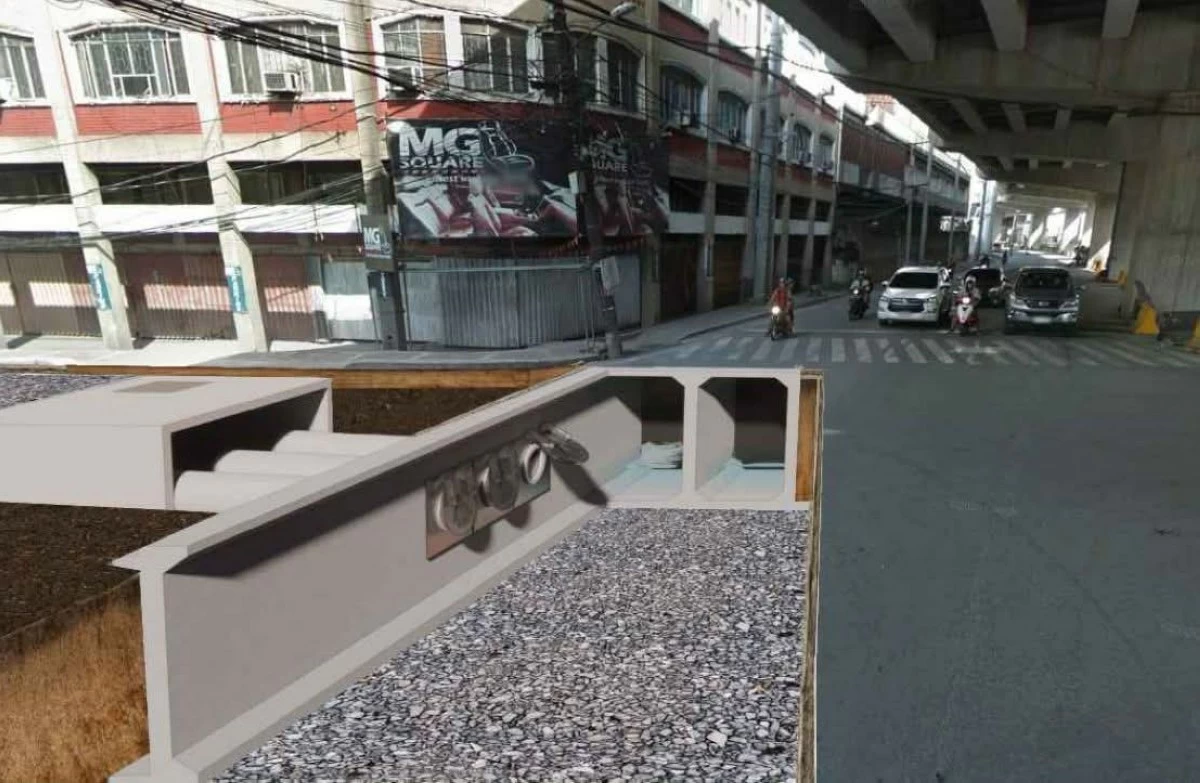
Three detention basins are being constructed along G. Araneta Avenue as part of Quezon City’s flood-mitigation efforts under its QC Drainage Masterplan.
Quezon City recorded an 80-percent decline in families in evacuation centers amid the intensified southwest monsoon or “habagat,” compared with the number during its onset last year.

A covered basketball court with a 1,700-cubic-meter detention basin underneath was opened in Barangay Sta. Monica as part of Quezon City’s flood-mitigation efforts.
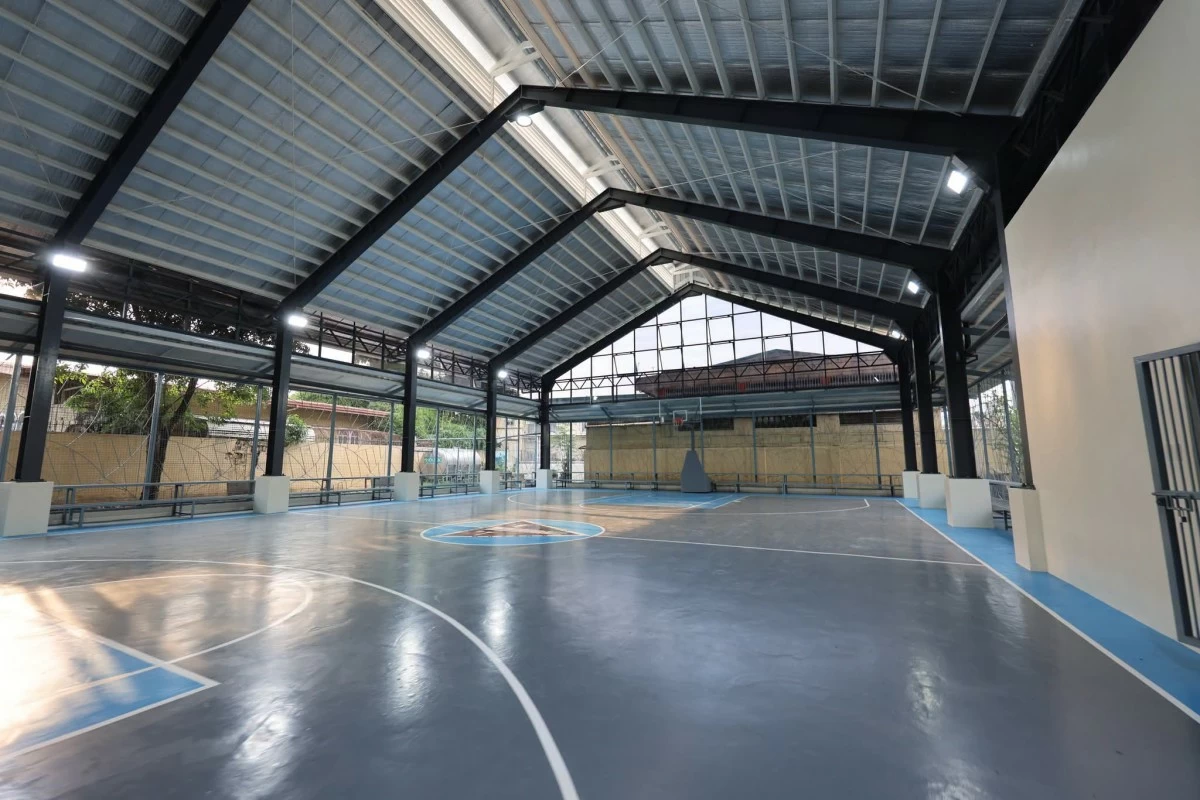
A covered basketball court with a detention basin underneath was opened in Gloria 2 Subdivision in Barangay Tandang Sora to help address flooding in the community.
As of Aug. 11, the city recorded 2,146 affected families or 8,220 individuals in evacuation centers, down from 10,576 families or 35,847 individuals recorded during the onset of habagat on July 23, 2025.
The city government attributed the decline to its continuing investments in flood mitigation infrastructure, disaster preparedness and response, climate adaptation, and coordination with national government agencies despite heavy rains and flooding from Aug. 2 to 11.
“Our priority has always been to protect the lives of our QCitizens. The significant reduction in the number of evacuees and the performance of our flood mitigation measures are encouraging signs that our investments are making a difference,” Mayor Joy Belmonte said.
Belmonte said the city would continue investing in flood mitigation and climate adaptation and strengthening disaster response to protect communities during extreme weather events.
“Zero casualty is always our goal,” she said.
Flood mitigation measures bolster protection
Through the Quezon City Department of Engineering (QCDE), the city has expanded its flood mitigation network under the QC Drainage Masterplan, including detention basins, retention ponds, flap gates, restored waterways and improved drainage systems.
Among the areas that saw improvements was G. Araneta Avenue, where three detention basins are being constructed at the intersections of N.S. Amoranto Avenue, Maria Clara Street and Mauban Street.
Even before their completion, the three basins temporarily stored about 2,990 cubic meters of floodwater during the recent rains, or 58 percent of their combined designed capacity.
Once completed, the facilities will have a combined capacity of 5,140 cubic meters of stormwater.
The QCDE also observed improvements in the depth and duration of flooding along G. Araneta Avenue following interventions by the city government and the Department of Public Works and Highways (DPWH).
The city also installed five flap gates along Araneta Creek to prevent creek water from flowing back into the drainage system during heavy rains.
A recently completed retention pond and detention basin at the Quezon Memorial Circle likewise helped manage excess rainwater during the onset of Habagat.
No flooding was reported in Barangays Sta. Monica and Tandang Sora near recently completed detention basin facilities during the recent rains.
In coordination with the DPWH, the city also conducted dredging and pumping operations to speed up the removal of floodwater, while QCDE teams cleared and declogged drainage systems in affected areas.
City pumping operations have a capacity of up to 3,480 cubic meters.
The flood mitigation measures were complemented by heightened disaster preparedness and response operations, with the Quezon City Disaster Risk Reduction and Management Department coordinating disaster monitoring, emergency response, evacuation and assistance efforts throughout the habagat.
The city government also provided food, health and other essential assistance to more than 2,000 affected families.
The latest Habagat response reflects the city’s continuing shift from simply responding to disasters toward reducing risks before disasters occur through flood mitigation, climate adaptation and stronger emergency preparedness.
The city government stressed that sustained coordination with the national government remains critical, particularly in addressing flooding involving drainage networks, waterways and flood-control systems extending beyond its jurisdiction.
It said it would continue implementing its Drainage Masterplan, expanding flood-mitigation infrastructure and strengthening community preparedness toward a more flood-resilient Quezon City and its goal of zero casualties during disasters.