







DTI moves to tighten standards for aluminum products


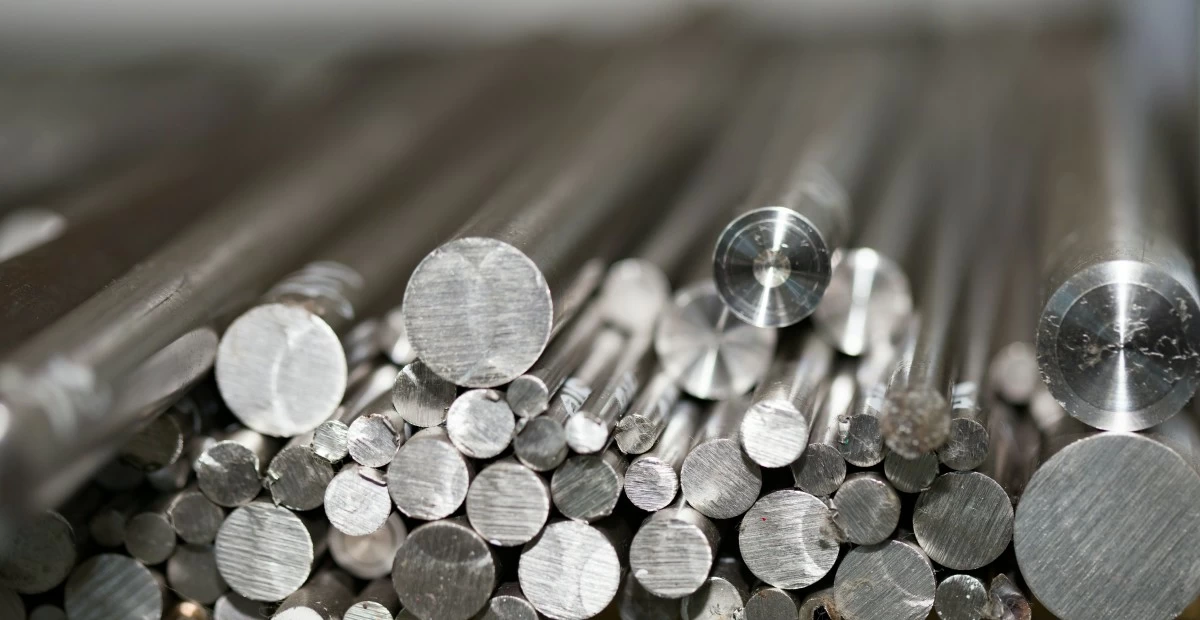
The Department of Trade and Industry (DTI) is looking into the implementation of a mandatory certification scheme for certain aluminum products to promote compliance with the necessary quality and safety requirements.
Under a draft department administrative order (DAO), the DTI is proposing a regulatory framework to ensure that aluminum products to be manufactured, imported, distributed, sold, or used in the country are aligned with the country’s product standards.
The proposed mandatory product certification covers wrought aluminum and aluminum alloy products, whether locally manufactured or imported and produced through extrusion or cold-drawn processes.
The regulation does not apply to prefabricated and pre-assembled products, including aluminum foil, aluminum cookware, aluminum pressure vessels, and aluminum fittings such as connectors, couplings, elbows, and brackets.
“However, all aluminum components covered by the scope of this order and incorporated into such products shall comply with the requirements and provisions,” the draft DAO said.
Under a mandatory certification scheme, both local and foreign manufacturers of the covered aluminum products are required to apply for the Philippine Standard (PS) quality and safety certification mark license prior to selling or distributing their products in the country.
Pending submission of the necessary documentary requirements, each PS license application shall be factory-, plant-, or site-specific, as well as local office- or agent-specific.
The DTI said the PS license shall only be issued upon satisfactory results of the factory audit and determination of product conformance with the Philippine National Standards (PNS).
The PS license is effective for a period of three years from the date of issuance, subject to surveillance audits to monitor compliance.
DTI-Bureau of Philippine Standards (BPS) Assistant Director Margarita Magsaysay said the proposed DAO was crafted in response to the growing demand for aluminum products, driven by increased industrial activity and sustained economic growth.
“As the use of aluminum products expands, we must also ensure that the products entering and being distributed in our market meet relevant requirements for safety, quality, performance, and reliability,” she said in a public consultation on Wednesday, Aug. 12.
Magsaysay said strengthening regulations for aluminum products would guarantee that they “possess the necessary performance and structural integrity for intended applications, whether they are used in equipment, buildings, infrastructure, or other critical applications.”
The DTI expects the establishment of a regulatory framework to strengthen consumer protection against substandard products, promote fair competition among manufacturers and traders, and advance the industry’s contribution to environmental sustainability.