ADVERTISEMENT

Composer Jesse Lucas on why 'Andres KKK' is even more timely, relevant today

Published Aug 12, 2026 11:14 am

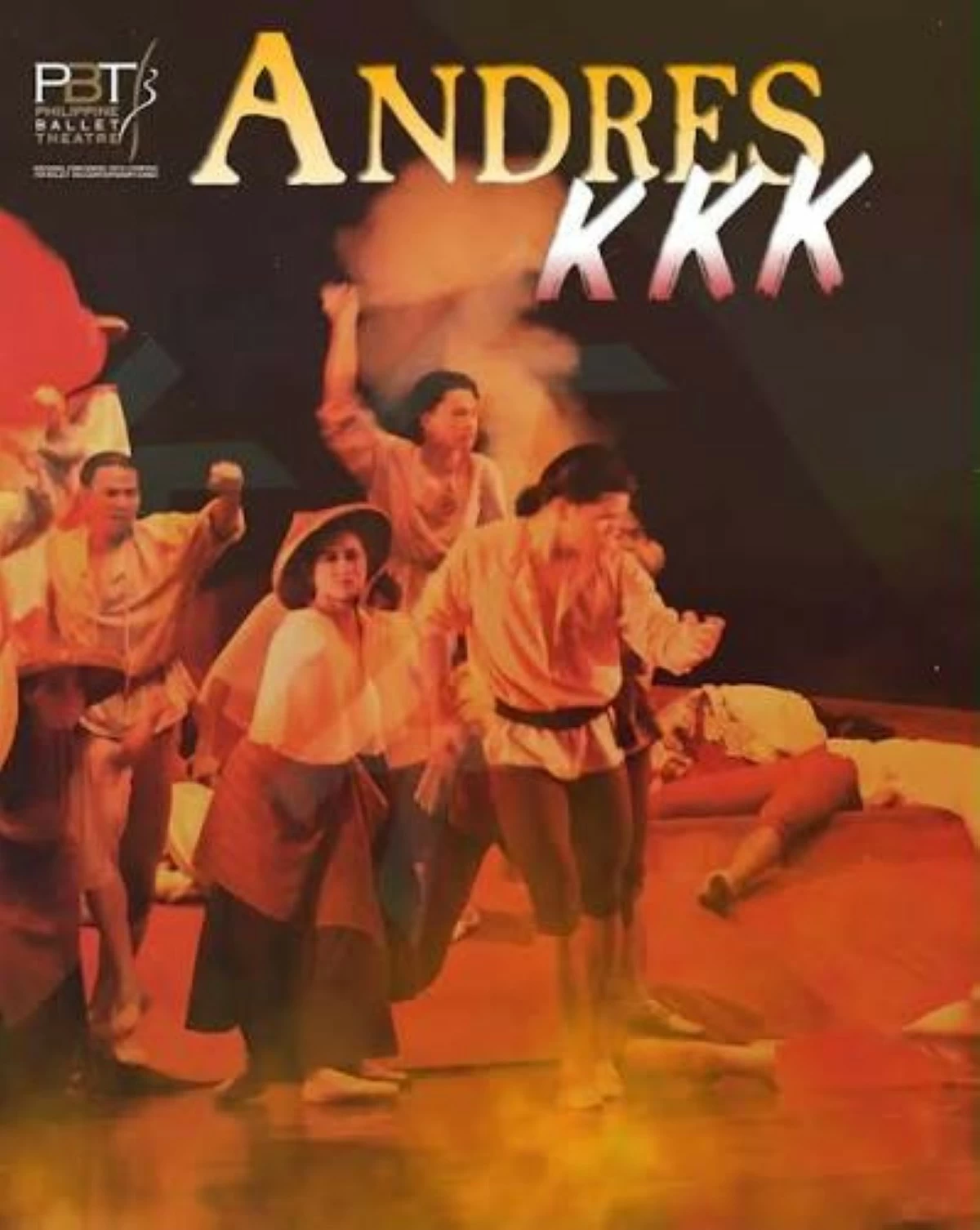
Composer Jesse Lucas is returning to a piece of his musical history as Philippine Ballet Theatre (PBT) revives "Andres KKK," the contemporary ballet that became one of the earliest major breakthroughs of his career.

Originally choreographed by Gener Caringal, "Andres KKK" premiered in 1996 at the Cultural Center of the Philippines. Thirty years later, the production is returning to the stage under the artistic direction of Ronilo Jaynario, with Lucas' original score continuing to give life to the story of Andres Bonifacio.
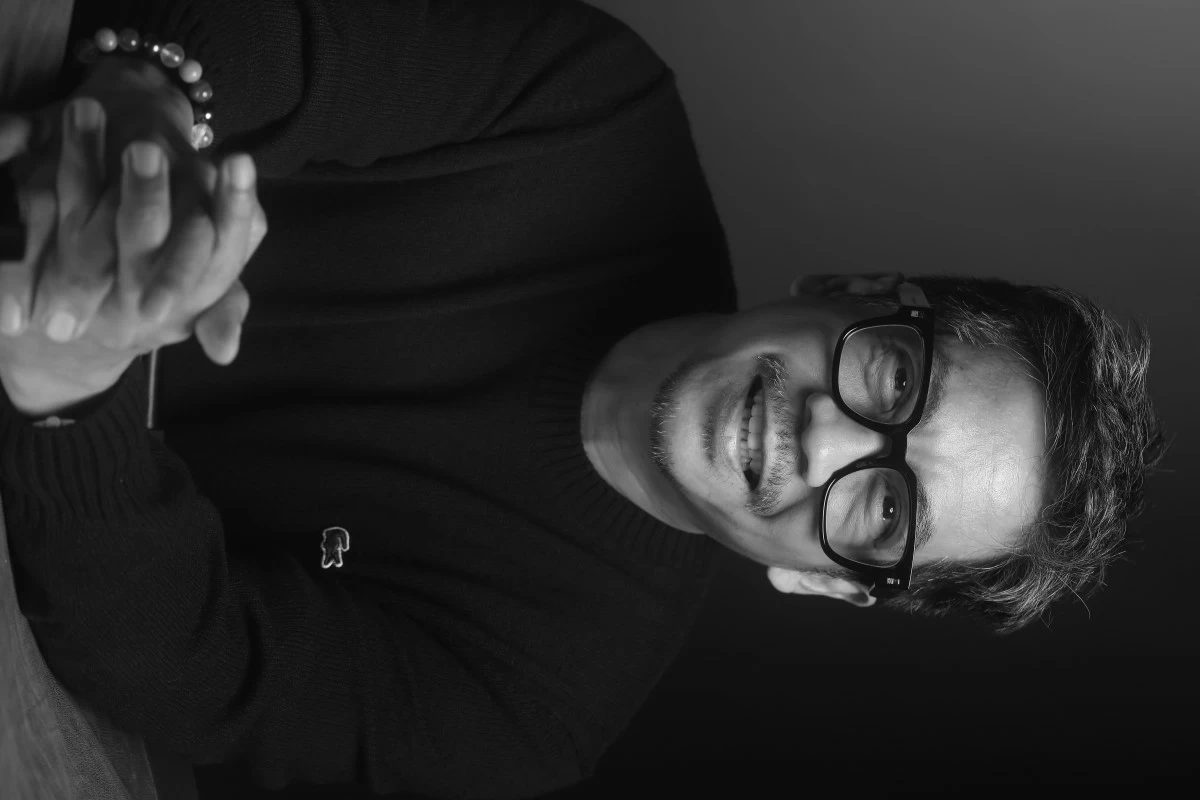
For Lucas, the revival is both exciting and deeply meaningful. “I am excited and grateful,” he said, recalling that he was only 27 when Caringal entrusted him with the music for the production.

The collaboration became an important milestone in Lucas' career and the beginning of a long creative partnership with Caringal. It eventually led to other ballet works, including PBT's "Sarimanok," "Darangen ni Bantugen" and "Chanted Journeys" as well as Ballet Philippines' "Darna."

HJLucas said seeing "Andres KKK" return after three decades is particularly rewarding because the work continues to connect with audiences. “With this restaging, I feel that the work has transcended time and continues to find relevance through a new generation of dancers and audiences,” he said.

Lucas was given a basic story structure by Caringal, including timestamps, and was tasked with creating the musical drama and emotional arc of the ballet. His score combined chants, indigenous instruments and synthesizers; an ambitious mix at a time when electronic technology was still relatively new.

One of his most rewarding moments came when he finally saw Caringal's choreography. “As a composer, you begin with only your imagination and your musical ideas,” Lucas said. “To finally see those ideas translated into movement by strong dancers is a very fulfilling experience.” Now, a new generation of dancers gets to interpret that same music.

For Lucas, "Andres KKK" is not simply a work about the past. Its themes remain relevant to Filipinos today. “The themes of Bonifacio; love of country, courage, and standing up for what is right, remain relevant today,” he said.

He hopes younger audiences will see parallels between Bonifacio's struggle and present-day issues, particularly the continuing tension between those in power and those fighting for justice and country.

Lucas also sees music as an important part of preserving that history. “Music serves as a historical marker,” he said, explaining that music often reflects the social movements and emotions of the period in which it was created.
A multi-awarded composer, Lucas has written music for film, television, theater and dance, working with leading Philippine arts groups including Tanghalang Pilipino, Dulaang UP, Ballet Philippines and PBT. His awards include the Gawad Urian, FAMAS, Aliw, Gawad Tanglaw and Young Critics Circle.

He won Best Music at the 2005 Screamfest International Film Festival in Los Angeles and was inducted into the FAMAS Hall of Fame for Best Music in 2010.

Lucas will attend the special Andres KKK performances this August to watch, support and celebrate the new production. For him, the revival is a reminder that music and the stories it helps tell can outlive the moment they were created for.

Thirty years after its debut, Andres KKK is getting another chance to speak to Filipino audiences, this time through the movements of a new generation of dancers and the enduring sound of Jesse Lucas.

Related Tags

Ballet Andres Bonifacio
ADVERTISEMENT
.most-popular .layout-ratio{ padding-bottom: 79.13%; } @media (min-width: 768px) and (max-width: 1024px) { .widget-title { font-size: 15px !important; } }

{{ articles_filter_1561_widget.title }}

.most-popular .layout-ratio{ padding-bottom: 79.13%; } @media (min-width: 768px) and (max-width: 1024px) { .widget-title { font-size: 15px !important; } }

{{ static_articles_1562_widget.title }}

.most-popular .layout-ratio{ padding-bottom: 79.13%; } @media (min-width: 768px) and (max-width: 1024px) { .widget-title { font-size: 15px !important; } }

{{ articles_filter_1563_widget.title }}

{{ articles_filter_1564_widget.title }}

.mb-article-details { position: relative; } .mb-article-details .article-body-preview, .mb-article-details .article-body-summary{ font-size: 17px; line-height: 30px; font-family: "Libre Caslon Text", serif; color: #000; } .mb-article-details .article-body-preview iframe , .mb-article-details .article-body-summary iframe{ width: 100%; margin: auto; } .read-more-background { background: linear-gradient(180deg, color(display-p3 1.000 1.000 1.000 / 0) 13.75%, color(display-p3 1.000 1.000 1.000 / 0.8) 30.79%, color(display-p3 1.000 1.000 1.000) 72.5%); position: absolute; height: 200px; width: 100%; bottom: 0; display: flex; justify-content: center; align-items: center; padding: 0; } .read-more-background a{ color: #000; } .read-more-btn { padding: 17px 45px; font-family: Inter; font-weight: 700; font-size: 18px; line-height: 16px; text-align: center; vertical-align: middle; border: 1px solid black; background-color: white; } .hidden { display: none; }
function initializeAllSwipers() { // Get all hidden inputs with cms_article_id document.querySelectorAll('[id^="cms_article_id_"]').forEach(function (input) { const cmsArticleId = input.value; const articleSelector = '#article-' + cmsArticleId + ' .body_images'; const swiperElement = document.querySelector(articleSelector); if (swiperElement && !swiperElement.classList.contains('swiper-initialized')) { new Swiper(articleSelector, { loop: true, pagination: false, navigation: { nextEl: '#article-' + cmsArticleId + ' .swiper-button-next', prevEl: '#article-' + cmsArticleId + ' .swiper-button-prev', }, }); } }); } setTimeout(initializeAllSwipers, 3000); const intersectionObserver = new IntersectionObserver( (entries) => { entries.forEach((entry) => { if (entry.isIntersecting) { const newUrl = entry.target.getAttribute("data-url"); if (newUrl) { history.pushState(null, null, newUrl); let article = entry.target; // Extract metadata const author = article.querySelector('.author-section').textContent.replace('By', '').trim(); const section = article.querySelector('.section-info ').textContent.replace(' ', ' '); const title = article.querySelector('.article-title h1').textContent; // Parse URL for Chartbeat path format const parsedUrl = new URL(newUrl, window.location.origin); const cleanUrl = parsedUrl.host + parsedUrl.pathname; // Update Chartbeat configuration if (typeof window._sf_async_config !== 'undefined') { window._sf_async_config.path = cleanUrl; window._sf_async_config.sections = section; window._sf_async_config.authors = author; } // Track virtual page view with Chartbeat if (typeof pSUPERFLY !== 'undefined' && typeof pSUPERFLY.virtualPage === 'function') { try { pSUPERFLY.virtualPage({ path: cleanUrl, title: title, sections: section, authors: author }); } catch (error) { console.error('ping error', error); } } // Optional: Update document title if (title && title !== document.title) { document.title = title; } } } }); }, { threshold: 0.1 } ); function showArticleBody(button) { const article = button.closest("article"); const summary = article.querySelector(".article-body-summary"); const body = article.querySelector(".article-body-preview"); const readMoreSection = article.querySelector(".read-more-background"); // Hide summary and read-more section summary.style.display = "none"; readMoreSection.style.display = "none"; // Show the full article body body.classList.remove("hidden"); } document.addEventListener("DOMContentLoaded", () => { let loadCount = 0; // Track how many times articles are loaded const offset = [1, 2, 3, 4, 5, 6, 7, 8, 9, 10]; // Offset values const currentUrl = window.location.pathname.substring(1); let isLoading = false; // Prevent multiple calls if (!currentUrl) { console.log("Current URL is invalid."); return; } const sentinel = document.getElementById("load-more-sentinel"); if (!sentinel) { console.log("Sentinel element not found."); return; } function isSentinelVisible() { const rect = sentinel.getBoundingClientRect(); return ( rect.top < window.innerHeight && rect.bottom >= 0 ); } function onScroll() { if (isLoading) return; if (isSentinelVisible()) { if (loadCount >= offset.length) { console.log("Maximum load attempts reached."); window.removeEventListener("scroll", onScroll); return; } isLoading = true; const currentOffset = offset[loadCount]; window.loadMoreItems().then(() => { let article = document.querySelector('#widget_1690 > div:nth-last-of-type(2) article'); intersectionObserver.observe(article) loadCount++; }).catch(error => { console.error("Error loading more items:", error); }).finally(() => { isLoading = false; }); } } window.addEventListener("scroll", onScroll); });

Sign up by email to receive news.