







Affordable homes buck Metro Manila condo glut—Colliers


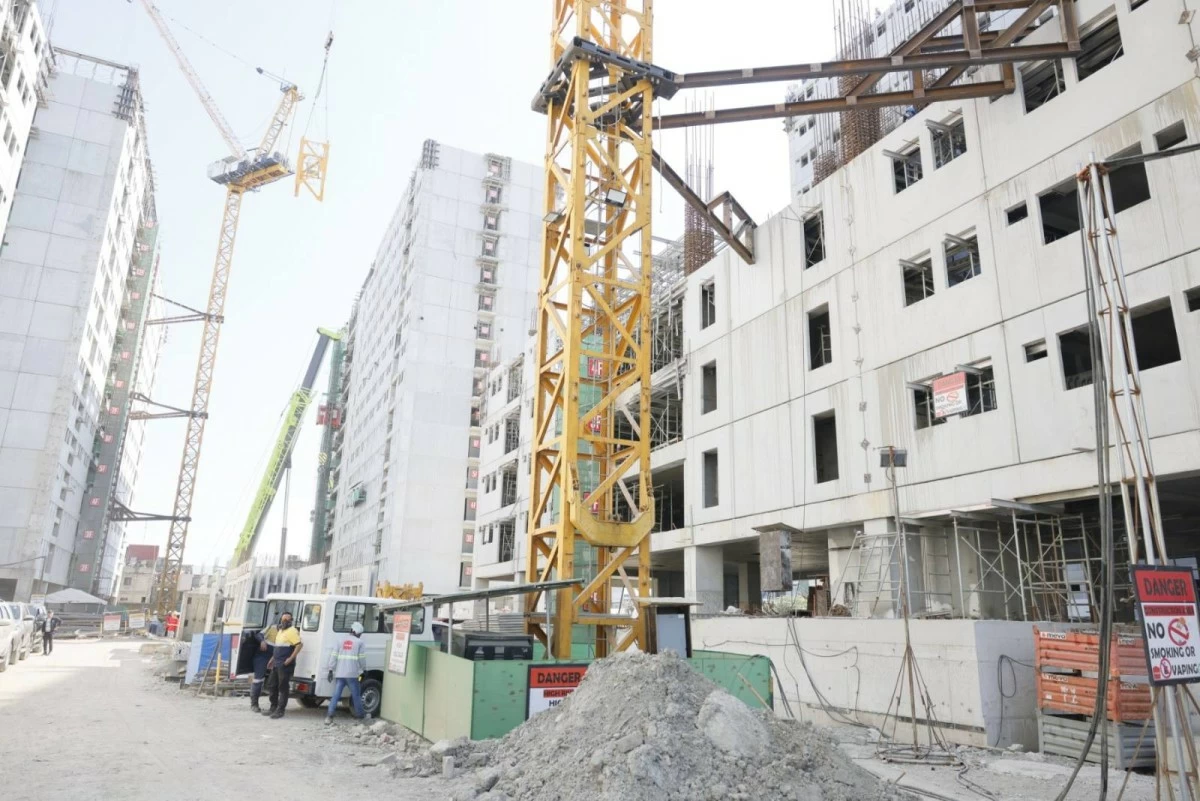
Economic and affordable condominiums have emerged as the main drivers of housing demand in Metro Manila as developers grapple with about 80,000 unsold units and residential vacancies are poised to hit a record high this year, according to property consultancy Colliers Philippines.
In its Q2 2026 Metro Manila Residential Report published on Wednesday, Aug. 12, Colliers said demand shifted markedly toward condominium projects priced between ₱1.8 million and ₱3.6 million in the first half of 2026, supported by government housing programs and improved affordability.
The report was authored by Colliers Philippines research director Joey Roi Bondoc, assistant manager Martin Aguila, and senior analyst Brent Respicio.
Economic and affordable units accounted for a combined 67 percent of Metro Manila condominium net take-up in the first half, more than double their 33-percent share a year ago.
Economic units accounted for 29 percent of net take-up, while affordable projects comprised the largest share at 38 percent. Colliers noted that the mid-income segment, which historically dominated pre-selling demand, suffered a significant number of buyer backouts during the period.
Colliers attributed the shift partly to government support, particularly the Pambansang Pabahay para sa Pilipino (4PH) Program and lower mortgage rates from state-run Home Development Mutual Fund (HDMF) or more popularly known as Pag-IBIG Fund.
Pag-IBIG is offering promotional housing loan rates as low as 4.5 percent annually until end-2026 for qualified borrowers purchasing homes above the ₱1.8-million socialized housing ceiling, while its maximum loan amount has been raised to ₱10 million from ₱6 million.
Despite stronger demand for cheaper units, Metro Manila’s broader condominium market remains weighed down by a substantial inventory overhang.
Colliers said unsold condominium inventory stood at about 80,000 units as of the second quarter, including 32,600 ready-for-occupancy (RFO) units, prompting developers to prioritize clearing existing inventory instead of launching new projects.
Only 1,200 condominium units were launched in the second quarter, bringing first-half launches to 2,600 units, down 64 percent year-on-year. Net take-up also fell 60 percent quarter-on-quarter to 500 units in the second quarter, the lowest quarterly level in five quarters.
Metro Manila’s secondary condominium vacancy rate rose to 24.9 percent in the second quarter from 24.7 percent in the previous three months. Colliers expects vacancy to peak at a record 25.6 percent by end-2026 before declining starting in 2027 as completions taper.
Bay Area is expected to see vacancy approach 60 percent amid substantial new supply and is projected to overtake Fort Bonifacio as Metro Manila’s largest residential condominium hub by year-end, with about 46,300 units.
Meanwhile, higher construction material prices stemming from the Middle East conflict have delayed project turnovers in Makati central business district (CBD), Ortigas Center, C5 Corridor, and Alabang. Colliers said higher costs and narrower profit margins have prompted some developers to postpone projects, including ultra-luxury developments in Makati CBD.
Amid Metro Manila’s oversupply, Colliers urged developers to expand further into provincial markets, where average take-up rates for house-and-lot projects in key areas ranged from 88 percent to 96 percent as of the first quarter, while condominium projects posted rates of between 82 percent and 91 percent.
“We believe that accelerating license-to-sell approvals is critical to housing recovery. Regulatory bottlenecks are restricting new supply despite strong demand in Metro Manila and key provincial markets. Faster approvals would bring more homes to buyers, narrow the housing gap, improve affordability, and support broader economic growth nationwide. Solving the housing gap requires strong public-private partnership (PPP),” Bondoc said.
Colliers also proposed raising the ₱3.6-million value-added tax (VAT) exemption threshold for residential properties, noting that about 9,300 unsold RFO condominium units in Metro Manila were priced between ₱3.601 million and ₱5 million as of the second quarter.
Developers are likewise tapping growing demand for leisure-oriented properties outside Metro Manila, with recently launched beachfront developments in Batangas province recording take-up rates of between 80 percent and 90 percent within a quarter of their launch. Colliers also noted strong demand in Mactan and Samal islands.