ADVERTISEMENT

Low AI adoption in retail and in all Philippines to stunt GDP growth

Published Aug 11, 2026 02:14 pm
Whie the hype surrounding AI is at an all time high, the Philippines is on the verge of missing out on massive economic gains, because as a nation, we have not learned to use artificial intelligence to our advantage. Both local and foreign studies show that the country’s sluggish adoption rate could severely stunt long-term gross domestic product (GDP) growth.
A study by global management consulting firm Kearney estimates that robust AI adoption could add roughly $92 billion to the Philippine economy by 2030. Meanwhile, the Department of Trade and Industry (DTI) puts its own projections even higher, suggesting AI could unlock up to ₱2.6 trillion a year for the country.
Yet, the gap between potential and reality remains vast.
Hype vs. reality
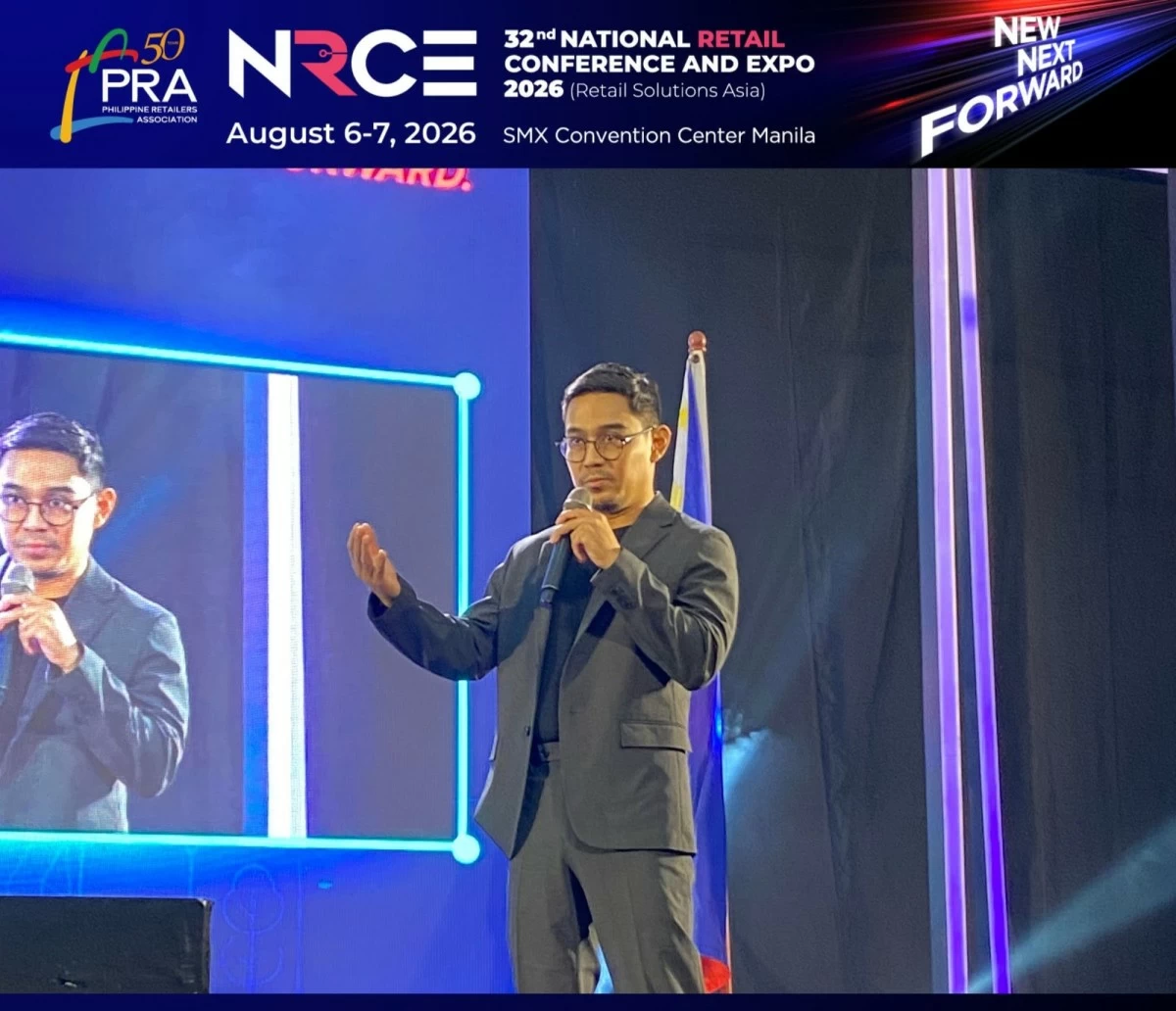
"But here’s the uncomfortable truth about AI adoption: real, value-creating adoption is still low; not just in retail, and not just in the Philippines," notes RJ Paculan, Innovation Strategist at TBWASMP.
The issue isn't that enterprises aren't opening accounts or experimenting with the technology; it's that they aren't integrating it into their core operations. A 2025 McKinsey study highlights this exact friction point: while 88% of organizations use AI in some capacity, a mere seven percent have successfully scaled it across their business.
In the local retail sector, the numbers are even more stark, falling far below the already conservative national average. According to a 2025 Gallup report, only 33 percent of retail employees use AI even a few times a year.
To be fair, the Philippines isn't alone in this struggle. Globally, organizations are hitting a wall when it comes to turning pilots into profits. A 2025 MIT study revealed that a staggering 95 percent of Generative AI pilots deliver no measurable return on investment.
"FOMO wearing a business suit"
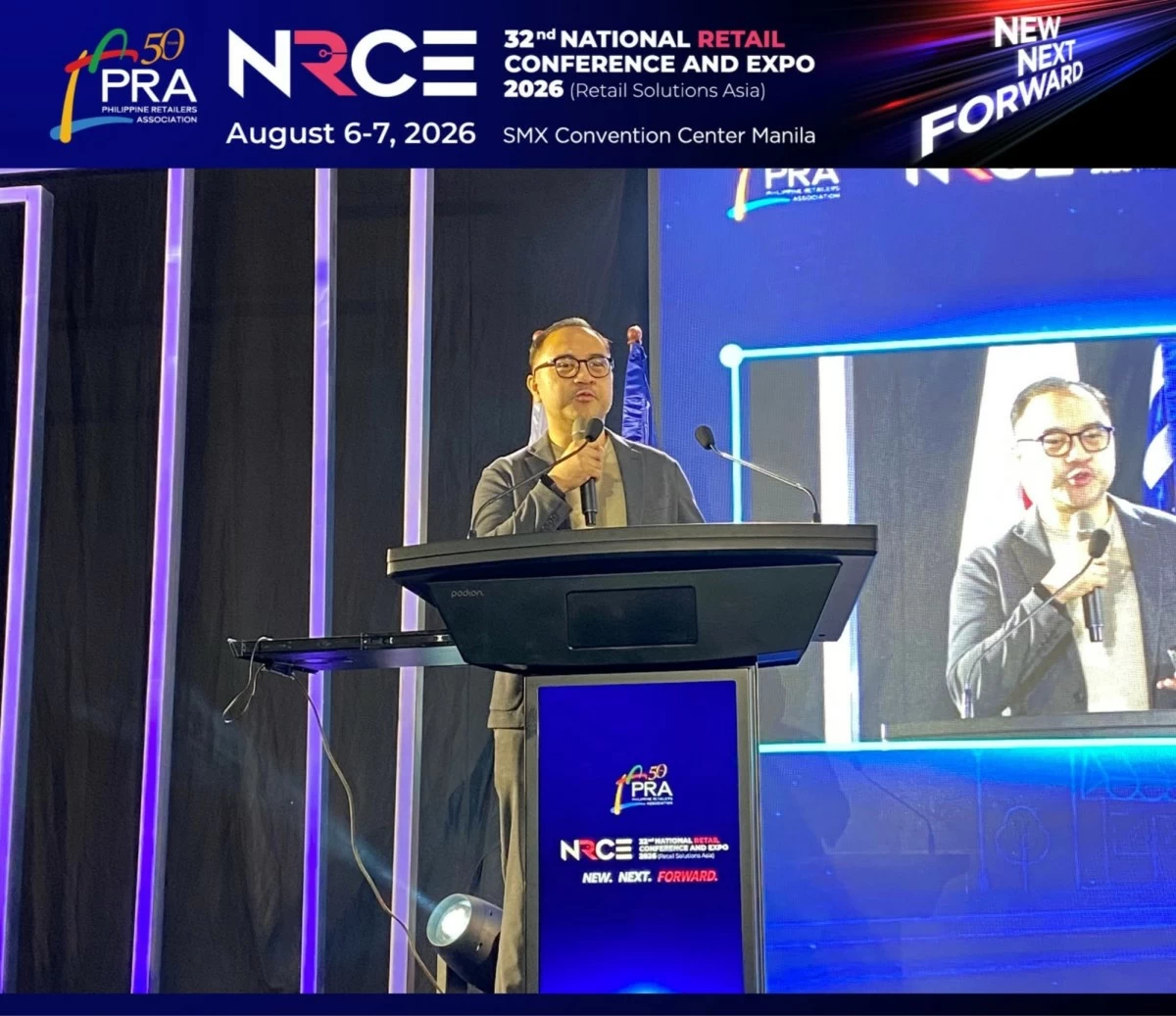
The problem is, most companies look at AI entirely wrong, treating it as a novel tool to study. "I have sat in countless meetings where the client opens with: 'Paolo, we need to do something with AI," says Paolo Broma, Innovation Lead at TBWASMP. "Do something with AI" is not a business objective. It’s FOMO wearing a business suit,” Broma points out.
The bottomless rabbit hole
Attempting to master AI is perhaps the deepest imaginable rabbit hole in human history. “Literally every week there’s a new tool, a new model, a major upgrade to an existing one. People feel that if they haven’t started, they’re too far behind to ever catch up — so they don’t start at all,” says Broma. But Paculan offers sober consolation: “The technology is New — and it will keep being new every single week. You will never feel fully caught up, and that’s fine; nobody is.”
So the REAL question is, where DOES one begin with AI?
To help local businesses bridge the gap between AI dabbling and harnessing AI as a game changing business solution, executives from TBWASMP will be discussing these concepts in depth at the upcoming National Retailers Conference and Expo, happening on Aug. 6 and 7 at the SMX Convention Center in Mall of Asia. TBWASMP innovation executives will give actionable advice on how businesses can start using AI to its full potential in their aptly titled talk “Where Do I Even Begin with AI?”
ADVERTISEMENT
.most-popular .layout-ratio{ padding-bottom: 79.13%; } @media (min-width: 768px) and (max-width: 1024px) { .widget-title { font-size: 15px !important; } }

{{ articles_filter_1561_widget.title }}

.most-popular .layout-ratio{ padding-bottom: 79.13%; } @media (min-width: 768px) and (max-width: 1024px) { .widget-title { font-size: 15px !important; } }

{{ static_articles_1562_widget.title }}

.most-popular .layout-ratio{ padding-bottom: 79.13%; } @media (min-width: 768px) and (max-width: 1024px) { .widget-title { font-size: 15px !important; } }

{{ articles_filter_1563_widget.title }}

{{ articles_filter_1564_widget.title }}

.mb-article-details { position: relative; } .mb-article-details .article-body-preview, .mb-article-details .article-body-summary{ font-size: 17px; line-height: 30px; font-family: "Libre Caslon Text", serif; color: #000; } .mb-article-details .article-body-preview iframe , .mb-article-details .article-body-summary iframe{ width: 100%; margin: auto; } .read-more-background { background: linear-gradient(180deg, color(display-p3 1.000 1.000 1.000 / 0) 13.75%, color(display-p3 1.000 1.000 1.000 / 0.8) 30.79%, color(display-p3 1.000 1.000 1.000) 72.5%); position: absolute; height: 200px; width: 100%; bottom: 0; display: flex; justify-content: center; align-items: center; padding: 0; } .read-more-background a{ color: #000; } .read-more-btn { padding: 17px 45px; font-family: Inter; font-weight: 700; font-size: 18px; line-height: 16px; text-align: center; vertical-align: middle; border: 1px solid black; background-color: white; } .hidden { display: none; }
function initializeAllSwipers() { // Get all hidden inputs with cms_article_id document.querySelectorAll('[id^="cms_article_id_"]').forEach(function (input) { const cmsArticleId = input.value; const articleSelector = '#article-' + cmsArticleId + ' .body_images'; const swiperElement = document.querySelector(articleSelector); if (swiperElement && !swiperElement.classList.contains('swiper-initialized')) { new Swiper(articleSelector, { loop: true, pagination: false, navigation: { nextEl: '#article-' + cmsArticleId + ' .swiper-button-next', prevEl: '#article-' + cmsArticleId + ' .swiper-button-prev', }, }); } }); } setTimeout(initializeAllSwipers, 3000); const intersectionObserver = new IntersectionObserver( (entries) => { entries.forEach((entry) => { if (entry.isIntersecting) { const newUrl = entry.target.getAttribute("data-url"); if (newUrl) { history.pushState(null, null, newUrl); let article = entry.target; // Extract metadata const author = article.querySelector('.author-section').textContent.replace('By', '').trim(); const section = article.querySelector('.section-info ').textContent.replace(' ', ' '); const title = article.querySelector('.article-title h1').textContent; // Parse URL for Chartbeat path format const parsedUrl = new URL(newUrl, window.location.origin); const cleanUrl = parsedUrl.host + parsedUrl.pathname; // Update Chartbeat configuration if (typeof window._sf_async_config !== 'undefined') { window._sf_async_config.path = cleanUrl; window._sf_async_config.sections = section; window._sf_async_config.authors = author; } // Track virtual page view with Chartbeat if (typeof pSUPERFLY !== 'undefined' && typeof pSUPERFLY.virtualPage === 'function') { try { pSUPERFLY.virtualPage({ path: cleanUrl, title: title, sections: section, authors: author }); } catch (error) { console.error('ping error', error); } } // Optional: Update document title if (title && title !== document.title) { document.title = title; } } } }); }, { threshold: 0.1 } ); function showArticleBody(button) { const article = button.closest("article"); const summary = article.querySelector(".article-body-summary"); const body = article.querySelector(".article-body-preview"); const readMoreSection = article.querySelector(".read-more-background"); // Hide summary and read-more section summary.style.display = "none"; readMoreSection.style.display = "none"; // Show the full article body body.classList.remove("hidden"); } document.addEventListener("DOMContentLoaded", () => { let loadCount = 0; // Track how many times articles are loaded const offset = [1, 2, 3, 4, 5, 6, 7, 8, 9, 10]; // Offset values const currentUrl = window.location.pathname.substring(1); let isLoading = false; // Prevent multiple calls if (!currentUrl) { console.log("Current URL is invalid."); return; } const sentinel = document.getElementById("load-more-sentinel"); if (!sentinel) { console.log("Sentinel element not found."); return; } function isSentinelVisible() { const rect = sentinel.getBoundingClientRect(); return ( rect.top < window.innerHeight && rect.bottom >= 0 ); } function onScroll() { if (isLoading) return; if (isSentinelVisible()) { if (loadCount >= offset.length) { console.log("Maximum load attempts reached."); window.removeEventListener("scroll", onScroll); return; } isLoading = true; const currentOffset = offset[loadCount]; window.loadMoreItems().then(() => { let article = document.querySelector('#widget_1690 > div:nth-last-of-type(2) article'); intersectionObserver.observe(article) loadCount++; }).catch(error => { console.error("Error loading more items:", error); }).finally(() => { isLoading = false; }); } } window.addEventListener("scroll", onScroll); });

Sign up by email to receive news.