







Deforestation and persistent flooding
Uncovering the broader environmental truth
Published Aug 11, 2026 09:43 pm


Each year, extensive flooding in the lowland regions affects the personal and economic well-being of millions of Filipinos. For those involved in disaster-reduction strategies and flood-mitigation management, the severity of flooding appears to have worsened in recent decades.
In December 2011, just days before Christmas, Tropical Storm Sendong (internationally known as Washi) struck Mindanao, bringing a month's worth of rainfall within hours. Residents were already asleep when the storm hit. The disaster was compounded by high tide, heavily silted waterways, and land conditions that limited water absorption.
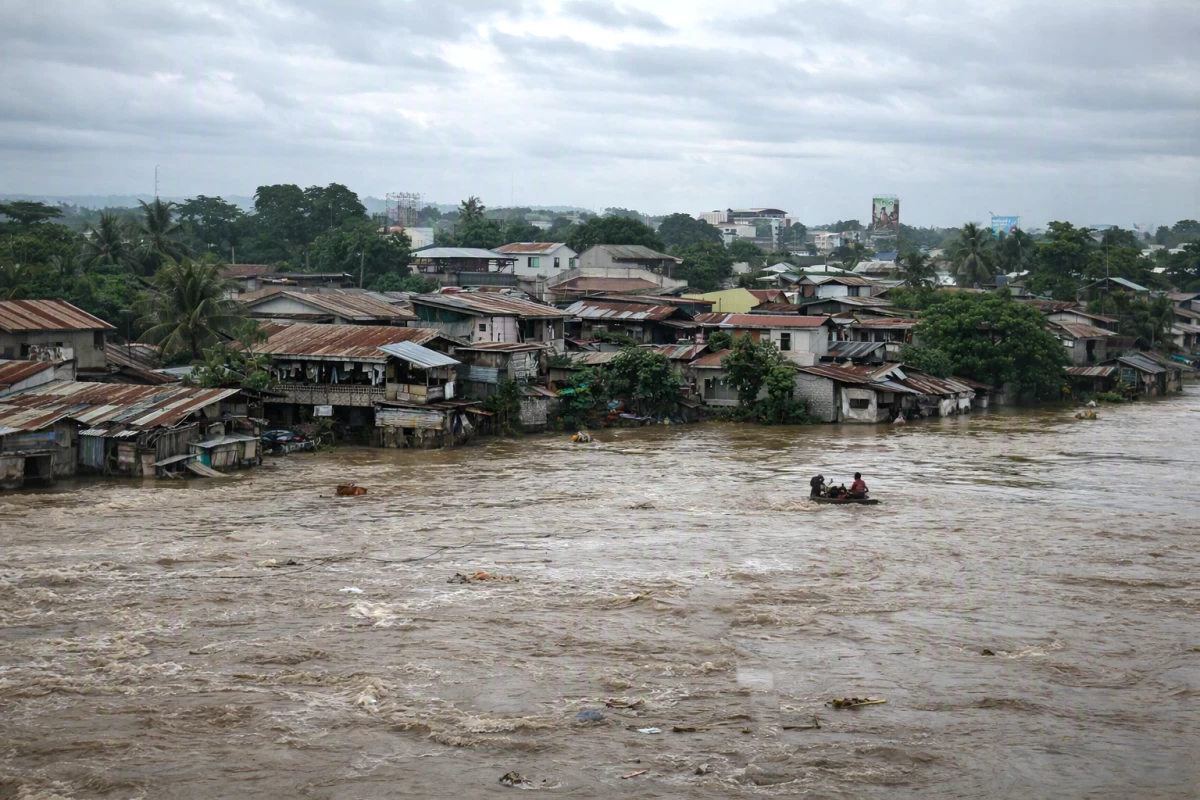
In a report published by a national daily, Philippine Red Cross Secretary General Gwendolyn Pang described the disaster as an overwhelming and unprecedented crisis for the region.
Benito Ramos, then administrator of the Office of Civil Defense, noted that the storm was the first of such magnitude to affect the area in his lifetime. He explained that tropical cyclones typically track northwestward toward Luzon or the Visayas, normally leaving Mindanao unaffected.
This may partly explain why some residents in the affected areas disregarded Storm Signal No. 2, issued by the Philippine Atmospheric, Geophysical and Astronomical Services Administration (PAGASA) and local disaster management agencies.
But intense rainfall was only one factor. The destruction caused by Sendong was also linked to extensive deforestation in the area, particularly from logging and mining.
This raises an important question: Should deforestation be held accountable for the country’s persistent flooding?
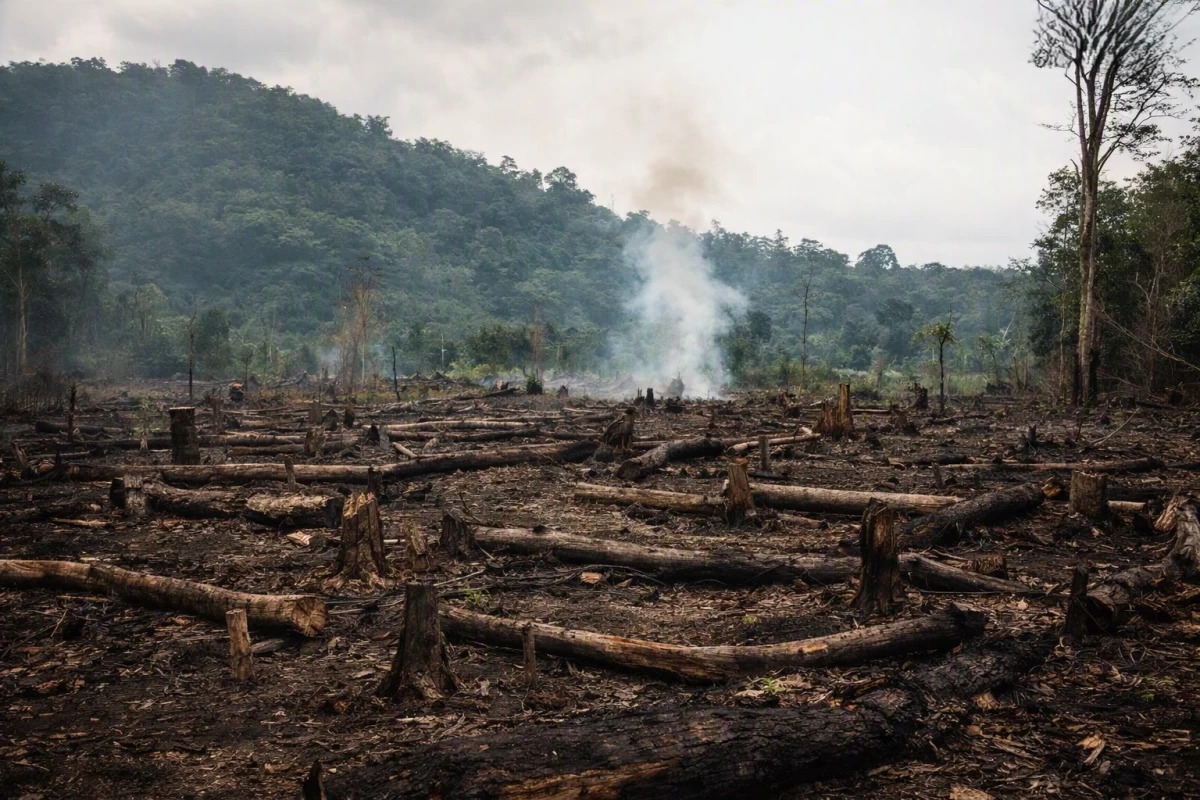
A newly cleared forest plot, highlighting the environmental toll of deforestation.
The United Nations Food and Agriculture Organization (FAO), in its publication Forests and Floods: Drowning in Fiction or Thriving on Facts?, noted that forests can reduce runoff on a local scale through increased infiltration and water storage. But their ability to prevent major downstream floods is limited.
During major rainfall events, particularly after prolonged rain, forest soil becomes saturated. Water then runs off the surface instead of filtering into the soil, the FAO publication explained.
This does not diminish the importance of forests. In the Philippines, 1.42 million hectares of tree cover were lost from 2001 to 2022, equivalent to a 7.6-percent reduction in the country’s tree cover, according to the Climate Change Commission (CCC). The 2022 Philippine Forestry Statistics put the country’s remaining forest cover at 7.22 million hectares, or 24.07 percent of its land area, compared with 17.8 million hectares in 1934.
Flooding, however, is not caused by deforestation alone. PAGASA explains that floods result from a complex combination of weather, climate and human activities, with most occurring after moderate-to-large-scale rainfall events.
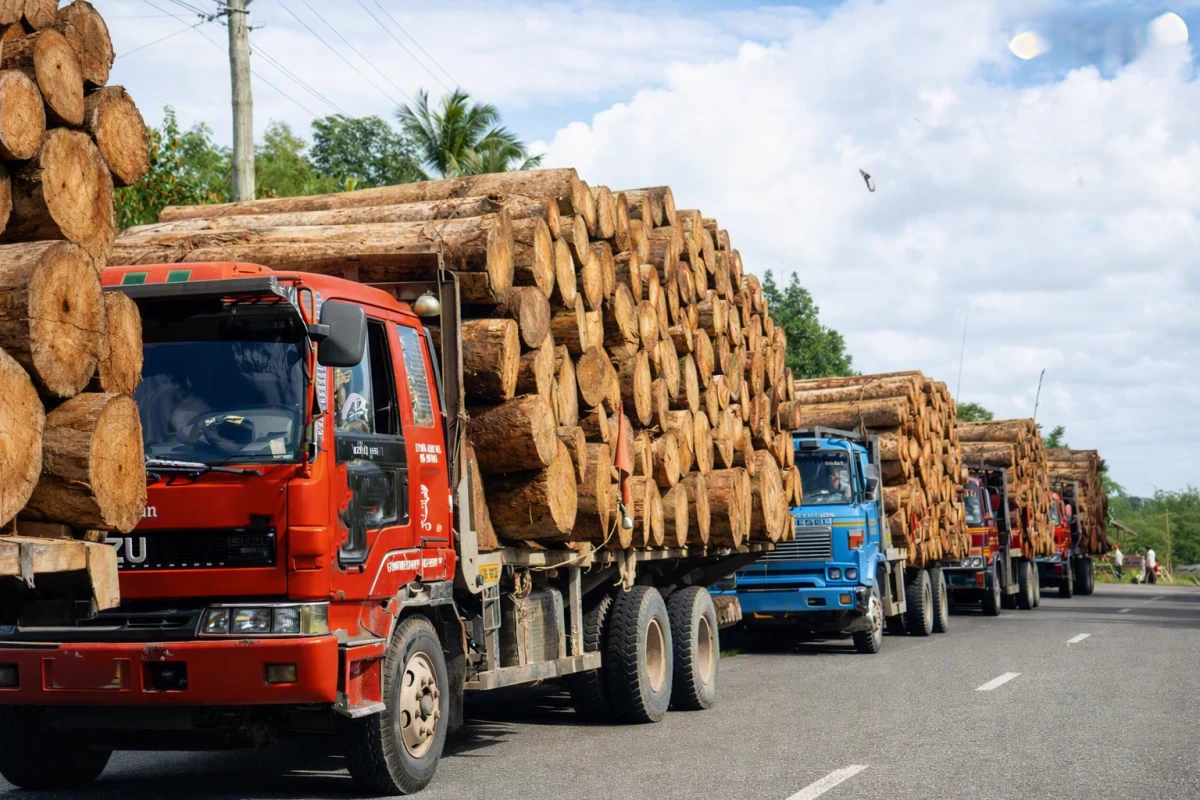
Heavy logging trucks transporting timber along the highway.
Human activities can worsen the situation. Blasting may trigger landslides that block rivers and streams, while temporary dams and failed dikes can obstruct or redirect water. Changes to forests and watersheds can likewise alter the hydrology of river basins.
PAGASA classifies floods as either minor or major. Floods generally develop 12 to 24 hours, or longer, after intense rainfall, while flash floods can occur within six hours or less.
With flooding becoming a recurring hazard during the rainy season, PAGASA has established Flood Early Warning System (FEWS) capabilities built around five components: prediction, detection, communication, decision-making, and mobilization.
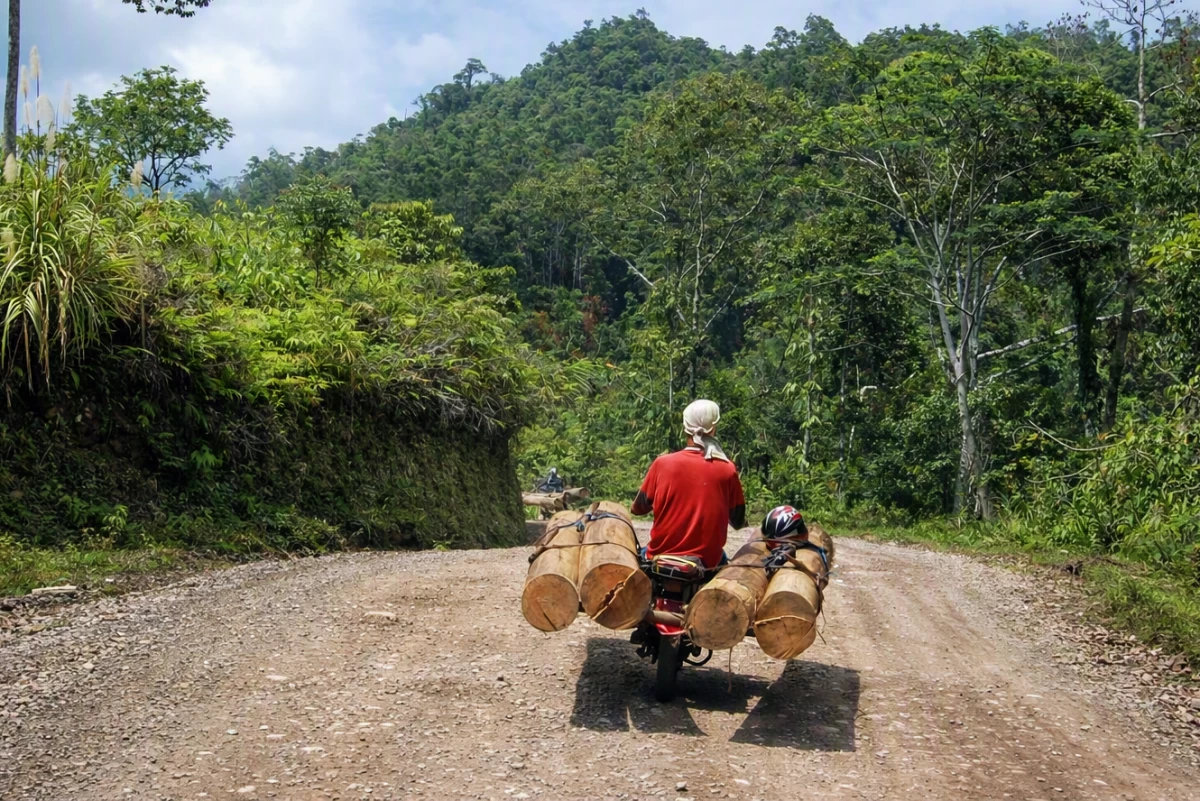
A rider hauls heavy logs on a dirt road through the forest.
The lesson is clear: forests matter, but they are not a complete defense against major floods. Effective flood management must also account for land use, watershed protection, drainage, river systems, climate risks, and, perhaps most importantly, community preparedness. As PAGASA puts it, “the first line of defense is still awareness of the communities at risk.”