

ADVERTISEMENT

House panel pays no mind to heavy rains, passes bill on higher tax exemption for workers

Published Aug 10, 2026 04:49 pm

At A Glance

  • The House Committee on Ways and Means approves bills raising the annual taxable income exemption ceiling to P350,000 and exempting microenterprises from the 2% Minimum Corporate Income Tax.
  • The measures, introduced by Speaker Faustino Dy III and Majority Leader Sandro Marcos, aim to provide relief for workers and small businesses while ensuring fiscal sustainability.
  • Committee chair Miro Quimbo says the proposals may be consolidated into a broader tax reform package balancing taxpayer relief with government revenue needs.
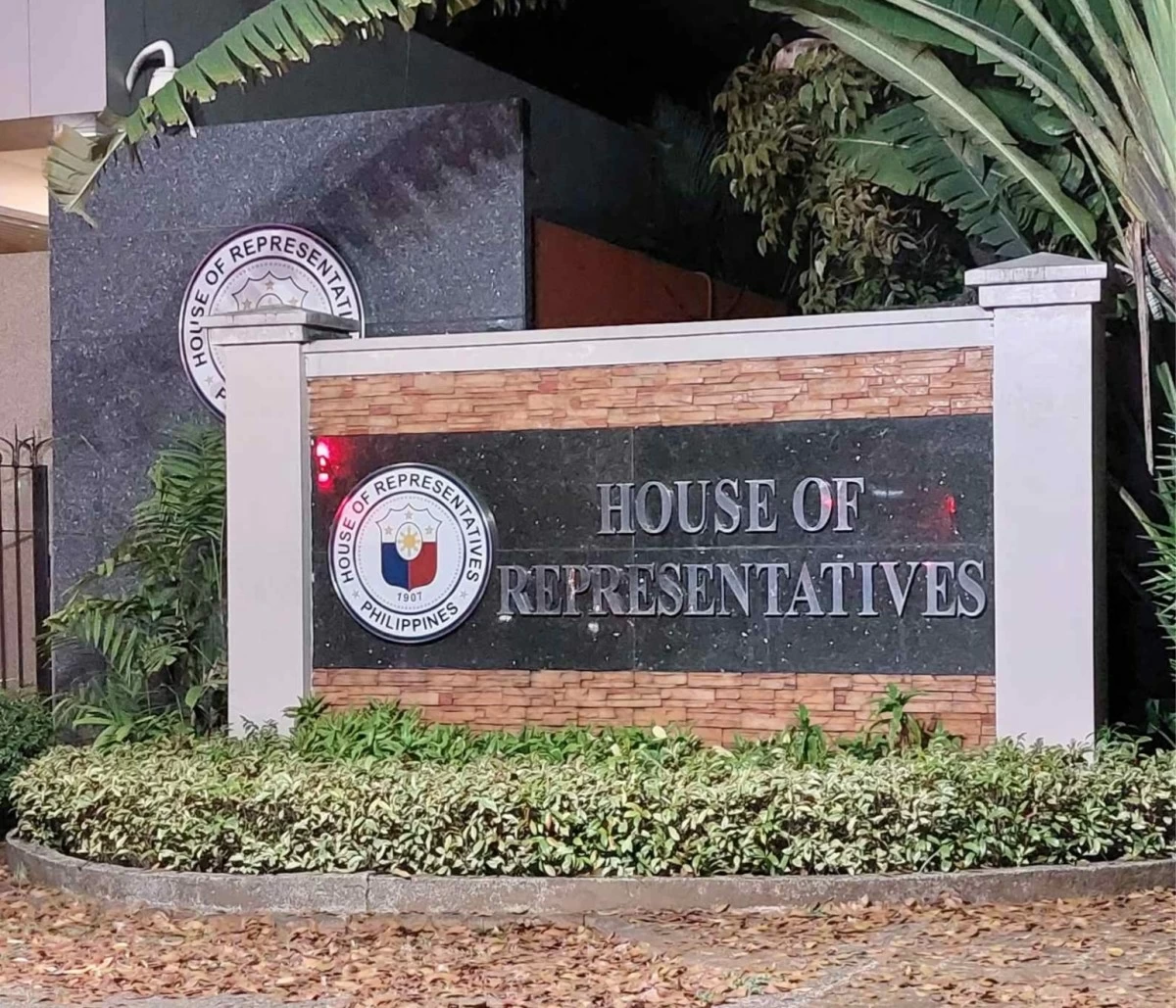

Despite the inclement weather and most of House employees working from home, the House Committee on Ways and Means approved on Monday afternoon, Aug. 10 a bill raising the annual taxable income exemption ceiling to P350,000 from P250,000.
On top of this, the panel, chaired by Marikina City 2nd district Rep. Miro Quimbo passed a relief measure exempting microenterprises from the two percent Minimum Corporate Income Tax (MCIT), as part of a broad tax reform package meant to help individual taxpayers and small businesses.
Introduced by House Speaker Faustino “Bojie” Dy III and Majority Leader Sandro Marcos, House Bills (HB) No. 10345 and 10346 were approved, respectively.
The proposed income tax measure seeks to amend Section 24 of the National Internal Revenue Code by restructuring the graduated income tax rates imposed on individual taxpayers.
Cagayan de Oro City 2nd district Rep. Rufus Rodriguez, who joined the panel hearing via Zoom, made the motion to approve HB No. 10345, which in essence sought to allow Filipino workers keep a larger portion of their earnings.
Under the proposal, individuals earning up to P350,000 annually would be exempt from personal income tax, providing additional take-home pay for low- and middle-income workers.
"Subject to style, the motion to approve the amendments to the personal income tax regime of our hardworking Filipinos is hereby approved," Quimbo said.
In response, Rodriguez said: "Congratulations to everyone. Again, thank you to President Bongbong Marcos for initiating this. If not for him, then we are unable to act in the House."
HB No. 10345 was files on July 28, or a day after President Marcos made the call for tax relief measures in his fifth and penultimate State of the Nation Address (SONA).
Quimbo said the bill is part of the committee’s broader effort to recalibrate the tax system to provide meaningful relief to taxpayers while ensuring that the government has sufficient resources to fund essential programs and services.
“We want our tax system to keep pace with the realities faced by Filipino families and workers. If incomes have not kept up with the rising cost of living, then we have to make sure that taxation does not further erode their purchasing power,” said the economist-solon.
MCIT exemption 
The panel likewise approved a measure seeking to provide relief to micro and small enterprises under the MCIT, recognizing the disproportionate impact of the tax on businesses that are still recovering from economic disruptions and operating with limited margins.
Quimbo said the proposed MCIT relief was intended to give small business owners more room to reinvest in their operations, preserve jobs, and sustain their businesses.
“The objective is not simply to reduce taxes. It is to create breathing room for entrepreneurs and businesses so they can spend, invest, hire, and grow,” he explained.
That the House pushed through with the committee hearing despite the suspension of plenary session Monday as well as the implementation of the work-from-home arrangement due to the heavy rains and floods showed that the solons were committed to fulfilling President Marcos' call.
It only took them one hearing to approve the measures at the committee level, which displayed their urgency.
Quimbo also said the committee may consolidate the proposed tax relief measures with corresponding compensatory revenue measures into a single omnibus tax reform package.
He emphasized that any reduction in government revenues from the proposed tax exemptions must be responsibly addressed through measures that will ensure fiscal sustainability.
“We are looking at the entire tax system as a whole. We want to deliver real relief to taxpayers, but we also have a responsibility to make sure that the government can continue to fund public services. That means balancing tax relief with responsible and sustainable revenue measures,” Quimbo said.

Related Tags

SONA MCIT Miro Quimbo income tax House of Representatives Sandro Marcos Rufus Rodriguez Faustino \"Bojie\" Dy III
ADVERTISEMENT
.most-popular .layout-ratio{ padding-bottom: 79.13%; } @media (min-width: 768px) and (max-width: 1024px) { .widget-title { font-size: 15px !important; } }

{{ articles_filter_1561_widget.title }}

.most-popular .layout-ratio{ padding-bottom: 79.13%; } @media (min-width: 768px) and (max-width: 1024px) { .widget-title { font-size: 15px !important; } }

{{ static_articles_1562_widget.title }}

.most-popular .layout-ratio{ padding-bottom: 79.13%; } @media (min-width: 768px) and (max-width: 1024px) { .widget-title { font-size: 15px !important; } }

{{ articles_filter_1563_widget.title }}

{{ articles_filter_1564_widget.title }}

.mb-article-details { position: relative; } .mb-article-details .article-body-preview, .mb-article-details .article-body-summary{ font-size: 17px; line-height: 30px; font-family: "Libre Caslon Text", serif; color: #000; } .mb-article-details .article-body-preview iframe , .mb-article-details .article-body-summary iframe{ width: 100%; margin: auto; } .read-more-background { background: linear-gradient(180deg, color(display-p3 1.000 1.000 1.000 / 0) 13.75%, color(display-p3 1.000 1.000 1.000 / 0.8) 30.79%, color(display-p3 1.000 1.000 1.000) 72.5%); position: absolute; height: 200px; width: 100%; bottom: 0; display: flex; justify-content: center; align-items: center; padding: 0; } .read-more-background a{ color: #000; } .read-more-btn { padding: 17px 45px; font-family: Inter; font-weight: 700; font-size: 18px; line-height: 16px; text-align: center; vertical-align: middle; border: 1px solid black; background-color: white; } .hidden { display: none; }
function initializeAllSwipers() { // Get all hidden inputs with cms_article_id document.querySelectorAll('[id^="cms_article_id_"]').forEach(function (input) { const cmsArticleId = input.value; const articleSelector = '#article-' + cmsArticleId + ' .body_images'; const swiperElement = document.querySelector(articleSelector); if (swiperElement && !swiperElement.classList.contains('swiper-initialized')) { new Swiper(articleSelector, { loop: true, pagination: false, navigation: { nextEl: '#article-' + cmsArticleId + ' .swiper-button-next', prevEl: '#article-' + cmsArticleId + ' .swiper-button-prev', }, }); } }); } setTimeout(initializeAllSwipers, 3000); const intersectionObserver = new IntersectionObserver( (entries) => { entries.forEach((entry) => { if (entry.isIntersecting) { const newUrl = entry.target.getAttribute("data-url"); if (newUrl) { history.pushState(null, null, newUrl); let article = entry.target; // Extract metadata const author = article.querySelector('.author-section').textContent.replace('By', '').trim(); const section = article.querySelector('.section-info ').textContent.replace(' ', ' '); const title = article.querySelector('.article-title h1').textContent; // Parse URL for Chartbeat path format const parsedUrl = new URL(newUrl, window.location.origin); const cleanUrl = parsedUrl.host + parsedUrl.pathname; // Update Chartbeat configuration if (typeof window._sf_async_config !== 'undefined') { window._sf_async_config.path = cleanUrl; window._sf_async_config.sections = section; window._sf_async_config.authors = author; } // Track virtual page view with Chartbeat if (typeof pSUPERFLY !== 'undefined' && typeof pSUPERFLY.virtualPage === 'function') { try { pSUPERFLY.virtualPage({ path: cleanUrl, title: title, sections: section, authors: author }); } catch (error) { console.error('ping error', error); } } // Optional: Update document title if (title && title !== document.title) { document.title = title; } } } }); }, { threshold: 0.1 } ); function showArticleBody(button) { const article = button.closest("article"); const summary = article.querySelector(".article-body-summary"); const body = article.querySelector(".article-body-preview"); const readMoreSection = article.querySelector(".read-more-background"); // Hide summary and read-more section summary.style.display = "none"; readMoreSection.style.display = "none"; // Show the full article body body.classList.remove("hidden"); } document.addEventListener("DOMContentLoaded", () => { let loadCount = 0; // Track how many times articles are loaded const offset = [1, 2, 3, 4, 5, 6, 7, 8, 9, 10]; // Offset values const currentUrl = window.location.pathname.substring(1); let isLoading = false; // Prevent multiple calls if (!currentUrl) { console.log("Current URL is invalid."); return; } const sentinel = document.getElementById("load-more-sentinel"); if (!sentinel) { console.log("Sentinel element not found."); return; } function isSentinelVisible() { const rect = sentinel.getBoundingClientRect(); return ( rect.top < window.innerHeight && rect.bottom >= 0 ); } function onScroll() { if (isLoading) return; if (isSentinelVisible()) { if (loadCount >= offset.length) { console.log("Maximum load attempts reached."); window.removeEventListener("scroll", onScroll); return; } isLoading = true; const currentOffset = offset[loadCount]; window.loadMoreItems().then(() => { let article = document.querySelector('#widget_1690 > div:nth-last-of-type(2) article'); intersectionObserver.observe(article) loadCount++; }).catch(error => { console.error("Error loading more items:", error); }).finally(() => { isLoading = false; }); } } window.addEventListener("scroll", onScroll); });

Sign up by email to receive news.